
Fertility Lubricants: The Complete Guide to Conception-Safe Lubrication
Fertility Lubricants: The Complete Guide to Conception-Safe Lubrication
Fertility lubricants are a category of personal lubricant specifically formulated to be safe for sperm and supportive of conception. Unlike standard lubricants — which are widely available but toxic to sperm in clinical testing — fertility lubricants are designed with the vaginal and reproductive environment in mind. If you're trying to conceive and use any form of personal lubrication, understanding the difference between regular lubricants and fertility lubricants is one of the most important pieces of information you can have.
This comprehensive guide explains the science behind fertility lubricants, how they differ from standard products, what to look for when choosing one, and why Conceive Plus is trusted by fertility specialists and couples worldwide. Fertility lubricants are not a miracle solution — but they remove a significant, often overlooked obstacle to conception that affects a surprising number of couples trying to get pregnant.
Why Most Lubricants Are Harmful When Trying to Conceive
The vaginal environment during the fertile window is naturally hospitable to sperm — cervical mucus at peak fertility has a specific pH (7.0–8.5), osmolality, and composition that supports sperm survival and forward motility. Standard personal lubricants interfere with this environment in multiple ways:
1. pH Incompatibility
The vaginal pH at rest is 3.8–4.5 (acidic, protective against bacterial overgrowth). At ovulation, cervical mucus shifts the local environment toward pH 7.0–8.5 — the range that allows sperm to survive and move efficiently. Most commercial lubricants have pH values in the 4.0–5.0 range, which is hostile to sperm. Even brief exposure to acidic pH causes irreversible loss of motility.
2. Osmolality Mismatch
Osmolality measures the concentration of dissolved particles in a fluid. Healthy sperm function requires isotonic osmolality (approximately 280–380 mOsm/kg — similar to body fluids). Many lubricants are hyperosmotic (too concentrated), causing sperm to lose water through osmosis, leading to structural damage and motility loss. Others are hypotonic (too dilute), causing sperm to swell and rupture.
3. Toxic Ingredients
- Glycerol: Found in many water-based lubricants; highly hyperosmotic and directly toxic to sperm in concentrations found in most products
- Parabens: Preservatives with endocrine-disrupting properties; reduce sperm motility
- Petroleum-based ingredients: Mineral oil and petroleum jelly create a physical barrier that traps sperm, damage sperm membranes, and have no place near a TTC environment
- Chlorhexidine: An antimicrobial agent found in some lubricants; directly spermicidal
- Nonoxynol-9: A spermicide — obviously incompatible with TTC. Found in some lubricants marketed for contraception
The research findings: A landmark study in Fertility and Sterility tested common lubricants (KY Jelly, Astroglide, and others) against sperm under conditions mimicking vaginal exposure. Results were striking:
- KY Jelly reduced sperm motility by 87% within 30 minutes
- Astroglide reduced motility by 65% within 60 minutes
- Even "natural" alternatives like saliva reduced motility significantly (saliva contains enzymes hostile to sperm)
- Olive oil and vegetable oil fared better but still impaired motility and have other concerns
Fertility lubricants were developed specifically to avoid all of these problems.
What Makes a Lubricant a Fertility Lubricant?
Ready to give your TTC journey every advantage? Conceive Plus products are clinically formulated for conception. Shop Conceive Plus now →
True fertility lubricants meet a specific set of criteria:
pH 7.0–8.5: Matching fertile cervical mucus pH, allowing sperm to survive and move normally
Isotonic osmolality (280–380 mOsm/kg): Matching the osmolality of semen and fertile cervical mucus; no osmotic damage to sperm
No spermicidal ingredients: No glycerol, chlorhexidine, parabens, nonoxynol-9, or petroleum-based components
Tested for sperm motility effects: Clinical or laboratory testing demonstrating no significant impairment of sperm motility, morphology, or DNA integrity at recommended use concentrations
Regulatory clearance: FDA clearance (US) or CE marking (Europe) as a fertility-friendly device is the highest standard of validation
Ideally: Contains supportive ions: Conceive Plus uniquely includes calcium and magnesium ions — the same ionic composition found naturally in fertile cervical mucus. These ions are essential for sperm capacitation, the biological process sperm must complete before they can penetrate the egg.
Conceive Plus Fertility Lubricant: What Sets It Apart
Conceive Plus is the world's leading fertility lubricant brand, trusted by fertility clinics, IVF centres, and couples in over 60 countries. Here's what distinguishes Conceive Plus from other fertility lubricants:
Calcium and Magnesium Ion Formula
This is the critical differentiator. Fertile cervical mucus naturally contains calcium (Ca²⁺) and magnesium (Mg²⁺) ions that are essential for sperm capacitation — the activation process sperm must undergo to achieve the hyperactivated motility needed to penetrate the egg. No other fertility lubricant includes these ions. Conceive Plus doesn't just avoid harming sperm; it actively provides the ionic environment sperm need to function at their best.
FDA Cleared and CE Marked
Conceive Plus has cleared the rigorous FDA regulatory process as a fertility lubricant device and carries CE marking in Europe — the highest regulatory validations available. This means it has been independently assessed and confirmed safe for use with sperm.
Used in Fertility Clinics
Conceive Plus is used in fertility clinics and IVF laboratories worldwide as a lubricant during IUI (intrauterine insemination) preparation. When fertility specialists trust a product in their clinical procedures, that's meaningful endorsement.
Available in Multiple Formats
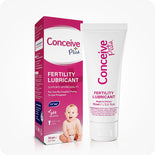
- Tube format: 75ml tube for repeated use over multiple cycles; most economical option
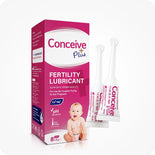
- Individual applicators: Pre-filled single-use applicators for internal application; particularly useful for optimising placement near the cervix
- Multipack: Multiple tubes or applicators at a reduced price per unit — ideal for couples actively TTC over several months
How to Use Fertility Lubricants Correctly
Using fertility lubricants correctly maximises their benefit:
Timing:
- Use just before or during intercourse during your fertile window
- Apply 5–10 minutes before intercourse for optimal distribution
- Identify your fertile window using ovulation predictor kits (OPKs) or cervical mucus monitoring — fertility lubricants are most valuable during the 2–3 days around ovulation
Amount:
- A small amount (approximately 2.5–5 ml or roughly one teaspoon) is sufficient
- Excessive amounts can dilute sperm — use enough for comfort without overdoing it
Application:
- External application at the vaginal opening is effective for most couples
- Internal application using the tube applicator or pre-filled applicators places the lubricant closer to the cervix — potentially beneficial if vaginal dryness is significant or if you prefer internal application
Don't mix with other lubricants:
If using a fertility lubricant, don't combine it with standard lubricants, coconut oil, or saliva — any of which can introduce spermicidal or hostile compounds that offset the fertility lubricant's benefits.
Fertility Lubricants and Specific Conditions
Fertility Lubricants for PCOS
Women with PCOS often have reduced or altered cervical mucus due to the hormonal imbalances associated with the condition — particularly the anovulatory cycles and oestrogen fluctuations. Fertility lubricants like Conceive Plus are particularly valuable in PCOS because they compensate for reduced natural lubrication while providing the pH and osmolality environment sperm need. Studies show women with PCOS who use sperm-friendly fertility lubricants during their fertile windows have better outcomes than those using standard lubricants or no lubricant.
Fertility Lubricants for Endometriosis
Endometriosis frequently causes painful intercourse (dyspareunia) due to inflammatory lesions, adhesions, and altered pelvic anatomy. Fertility lubricants provide necessary mechanical relief during intercourse while ensuring the lubricant itself doesn't add another obstacle to conception. Conceive Plus's neutral pH and isotonic formula makes it appropriate for women with endometriosis who are TTC.
Fertility Lubricants for Vaginal Dryness
Vaginal dryness during TTC can have multiple causes: reduced oestrogen (particularly common in the luteal phase, post-hormonal contraception, after clomiphene/letrozole use, or during IVF stimulation), stress, antihistamine use, or simply individual variation in cervical mucus production. Fertility lubricants provide necessary lubrication without the sperm-damaging effects of standard products — making them an essential tool for women experiencing TTC-related dryness.
Fertility Lubricants During IUI
During IUI (intrauterine insemination) preparation, clinics sometimes use lubricant during catheter insertion. Conceive Plus is the lubricant of choice in this context — its composition is compatible with the prepared sperm sample and won't harm the sperm being introduced. Standard lubricants in this context would be significantly harmful.
Comparison: Top Fertility Lubricants
| Brand | pH | Isotonic | Ca²⁺/Mg²⁺ Ions | FDA Cleared | Clinic Use |
|---|---|---|---|---|---|
| Conceive Plus | 7.0–8.5 | ✅ | ✅ Yes | ✅ | ✅ Widely |
| Pre-Seed | 7.0–7.5 | ✅ | ❌ No | ✅ | Limited |
| Yes Baby | ~7.0 | ✅ | ❌ No | CE only | Limited |
| Standard KY Jelly | ~4.5 | ❌ | ❌ | ❌ | ❌ |
| Coconut oil | Variable | ❌ | ❌ | ❌ | ❌ |
Conceive Plus is the only fertility lubricant that combines FDA clearance, isotonic osmolality, correct pH, and the unique calcium/magnesium ion formula that actively supports sperm function.
Common Misconceptions About Fertility Lubricants
"Natural" lubricants like coconut oil are sperm-safe"
False. Coconut oil has a variable pH, non-isotonic osmolality, and antifungal properties that can be hostile to sperm. While it's less harmful than petroleum-based products, it does not meet the standards of a clinical fertility lubricant and has not been tested or cleared for sperm compatibility. Don't use it during TTC if avoidable.
"I produce enough natural lubrication so I don't need a fertility lubricant"
The issue isn't just quantity of lubrication — it's the type. If you use any additional lubricant during intercourse (even occasional supplementation), ensuring it's a fertility lubricant is important. Additionally, many couples use lubricant throughout their cycle but then stop when they discover it might be harmful — fertility lubricants allow you to maintain comfort without compromising sperm function.
"Fertility lubricants guarantee pregnancy"
No lubricant — fertility or otherwise — guarantees pregnancy. Fertility lubricants remove an obstacle (sperm-hostile lubrication) and for some couples that's a meaningful factor. For others, fertility challenges have different root causes. Fertility lubricants are one tool in a comprehensive TTC approach.
"All lubricants labelled 'natural' or 'water-based' are sperm-safe"
Absolutely false. Many water-based lubricants contain glycerol, which is highly spermicidal. "Natural" is a marketing term with no regulatory definition. Always check for clinical sperm compatibility testing or FDA/CE clearance specifically as a fertility device.
Frequently Asked Questions: Fertility Lubricants
Q: Are fertility lubricants safe to use every cycle?
A: Yes. Fertility lubricants like Conceive Plus are safe for ongoing use each menstrual cycle. They contain no harmful ingredients and are formulated to be compatible with the reproductive environment.
Q: Can fertility lubricants help if my partner has low sperm count?
A: Fertility lubricants won't increase sperm count, but they ensure that the sperm that are present aren't further damaged by hostile lubrication. In cases of low sperm count, every sperm counts — protecting motility and DNA integrity with a fertility lubricant is a sensible step alongside medical management.
Q: How are fertility lubricants different from regular lubricants?
A: pH-matched to fertile cervical mucus (7.0–8.5 vs 4.0–5.0 for standard), isotonic osmolality, free of spermicidal ingredients (no glycerol, parabens, chlorhexidine), and clinically tested for sperm compatibility. True fertility lubricants carry regulatory clearance as fertility devices.
Q: Can fertility lubricants be used with condoms?
A: Yes, water-based fertility lubricants like Conceive Plus are compatible with latex condoms. However, if you're using condoms, you're not trying to conceive — fertility lubricants are specifically for couples trying to get pregnant without barrier contraception.
Q: Should I use a fertility lubricant every time we have intercourse?
A: During your fertile window (the 2–5 days around ovulation), using a fertility lubricant whenever you need lubrication is recommended. Outside the fertile window, it's less critical but still the safer choice if lubrication is used.
Q: Are fertility lubricants available in India?
A: Yes — Conceive Plus is available in India and ships across the country. It's the most clinically validated fertility lubricant available to Indian couples trying to conceive.
Q: Can fertility lubricants help with IVF or IUI?
A: Yes. During IUI procedures, fertility clinics use sperm-compatible lubricants during catheter insertion. For home TTC, using a fertility lubricant during intercourse in IUI cycles with insemination at other fertile days is appropriate. During IVF stimulation, your clinic will provide specific guidance.
Q: Do fertility lubricants change in effectiveness over time?
A: No — Conceive Plus has a standard shelf life (check the expiry date on packaging). Once opened, a tube should be used within the timeframe specified on the product. Individual pre-filled applicators are sealed for freshness and are ideal for one-time use.
Q: Does using a fertility lubricant mean something is wrong with me?
A: Not at all. Many couples use lubrication simply for comfort — and choosing a fertility lubricant just means making that choice smarter. Vaginal dryness during TTC is common for many reasons (stress, timing of intercourse, use of certain medications), and fertility lubricants are the appropriate solution.
Conclusion: Fertility Lubricants Are a Simple, Evidence-Based TTC Essential
For any couple that uses personal lubrication during intercourse, switching to a clinically validated fertility lubricant is one of the simplest, most evidence-based improvements they can make to their TTC strategy. The research is clear: standard lubricants harm sperm. Fertility lubricants don't — and Conceive Plus goes further by actively supporting sperm function with its unique calcium and magnesium ion formula.
If you've been using standard lubricants while TTC, switching to Conceive Plus is a change worth making immediately. It's not a fertility treatment — but it ensures that the lubrication you use is working with your conception goals rather than against them.
Conceive Plus is available across India and trusted by fertility specialists and couples throughout the country. It represents the gold standard in fertility lubricants — backed by science, validated by regulators, and trusted in clinics worldwide.
Ready to give your TTC journey every advantage? Conceive Plus products are clinically formulated for conception. Shop Conceive Plus now →