
IVF Preparation Guide: How to Prepare Your Body for Success
IVF Preparation Guide: How to Prepare Your Body for Success
Preparing thoroughly for IVF (in vitro fertilisation) can make a meaningful difference to your outcomes. While IVF is a sophisticated medical procedure, the lifestyle choices, nutritional optimisation, and supplementation strategies you implement in the 3–6 months before treatment can improve egg quality, embryo development, and ultimately the chance of a successful pregnancy. This comprehensive IVF preparation guide walks you through everything you need to know — including how Conceive Plus supports the nutritional needs of women and men going through IVF.
Understanding the IVF Process: What You're Preparing For
IVF involves several distinct phases, each with specific demands on your body:
- Ovarian stimulation (8–14 days): Daily hormone injections stimulate the ovaries to develop multiple follicles simultaneously. Nutrition and mitochondrial health directly affect how eggs respond to stimulation.
- Trigger and egg retrieval: A final trigger injection matures the eggs before a minor surgical procedure retrieves them from the follicles.
- Fertilisation and embryo culture (3–6 days): Retrieved eggs are fertilised (conventionally or with ICSI) and cultured in the lab.
- Embryo transfer (fresh or frozen): One or more embryos are transferred to the uterus. Endometrial receptivity is critical at this stage.
- Luteal phase and implantation (9–14 days): Hormonal support and embryo-endometrium communication determine whether the embryo implants.
Nutritional and lifestyle preparation primarily targets Phase 1 (egg quality) and Phase 4 (endometrial receptivity).
When to Start IVF Preparation
Ready to take the next step in your fertility journey?
Shop Conceive Plus →The ideal preparation window is 3–6 months before your egg retrieval date. Here's why:
- Oocyte (egg) development from primordial follicle to mature egg takes approximately 90 days — starting supplements 3+ months early influences the entire cohort
- Sperm production takes 74 days — male partner should start supplements simultaneously
- Lifestyle changes (diet, alcohol, smoking) require months to produce measurable sperm and egg quality improvements
- Vitamin D deficiency correction takes 8–12 weeks of supplementation to achieve adequate levels
IVF Preparation: Nutrition Strategy
The Mediterranean Diet for IVF
The Mediterranean dietary pattern has the strongest evidence base for improving IVF outcomes. A landmark 2018 study in Human Reproduction found that women closely following a Mediterranean diet in the 6 months before IVF had a 65–68% higher live birth rate than those with the lowest adherence.
Core principles for IVF preparation nutrition:
- Abundant vegetables: At least 5 portions daily — leafy greens, cruciferous vegetables, tomatoes, peppers
- Whole grains: Oats, quinoa, brown rice, whole grain bread — for stable blood glucose
- Legumes: Lentils, chickpeas, beans — excellent plant protein and folate sources
- Healthy fats: Extra-virgin olive oil, avocado, nuts, seeds — support hormone production
- Oily fish (2–3 servings/week): Salmon, sardines, mackerel — for omega-3 DHA/EPA
- Lean protein: Poultry, eggs, legumes — limit red meat
- Limit processed foods, refined sugar, and alcohol
Key Foods to Emphasise
- Walnuts: High in alpha-linolenic acid (ALA), folate, and antioxidants — shown to improve sperm quality in male partners
- Leafy greens: Spinach, kale, rocket — abundant in folate, magnesium, and antioxidants
- Eggs: High-quality protein, choline (critical for neural tube development), vitamin D
- Full-fat dairy: Some evidence suggests full-fat dairy improves IVF outcomes compared to low-fat; the fat-soluble vitamin content may play a role
- Cooked tomatoes: Lycopene source — particularly beneficial for male partner sperm quality
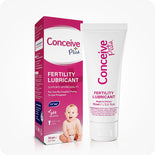
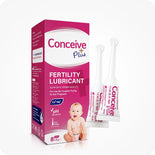
Conceive Plus Women's Fertility Support and Men's Fertility Support provide the evidence-based nutrients most studied in IVF preparation: CoQ10, methylfolate, vitamin D, zinc, selenium, and antioxidants. Start 3 months before your planned retrieval date for maximum impact.
Explore Conceive Plus IVF Support Supplements →
Essential Supplements for IVF Preparation
For Women
CoQ10 (Ubiquinol, 400–600 mg/day)
The most studied IVF preparation supplement. A 2020 RCT in Reproductive Biology and Endocrinology found CoQ10 significantly improved oocyte quality markers, embryo quality grades, and clinical pregnancy rates in women over 35 undergoing IVF. Start 3 months before retrieval.
Methylfolate (400–800 mcg/day)
Essential for DNA synthesis in the rapidly dividing early embryo. Reduces neural tube defect risk. The active form bypasses MTHFR gene variants that impair folic acid conversion.
Vitamin D3 (1,000–4,000 IU/day)
A meta-analysis of 11 IVF studies found vitamin D-sufficient women had a 34% higher implantation rate and 46% higher live birth rate than deficient women. Test levels; supplement to reach 100–150 nmol/L before treatment.
Myo-Inositol (2,000–4,000 mg/day)
Supports FSH receptor sensitivity and follicular development during ovarian stimulation. Studies show reduced FSH requirements, improved oocyte yield, and better embryo quality in IVF patients taking inositol.
DHEA (25–75 mg/day — under medical supervision only)
For women with diminished ovarian reserve (low AMH, high FSH), DHEA pre-treatment for 12 weeks has shown improved oocyte yield and embryo quality in several studies. Not appropriate for all women — discuss with your IVF specialist.
Melatonin (3 mg/night — cycle phase only)
Follicular fluid has high melatonin concentrations — it protects maturing eggs from oxidative stress. Some IVF protocols include melatonin during the stimulation phase specifically.
For Men
Antioxidant protocol (CoQ10 + vitamin C + E + selenium)
Reduces sperm DNA fragmentation index — particularly important if male factor contributes to previous failed IVF cycles or high fragmentation on sperm DNA test.
Zinc + Folate
A 2014 RCT found combined zinc + folate supplementation reduced sperm aneuploidy rate by 4% — meaningful in the context of embryo chromosomal health. Conceive Plus Men's Fertility Support includes both.
L-Carnitine (2 g/day)
Improves sperm motility and energy metabolism — important for the sperm's journey to fertilise the egg in IVF (even with ICSI, better sperm quality translates to better embryo development).
Lifestyle Preparation for IVF Success
Stop Smoking
Smoking by either partner negatively impacts IVF outcomes. Women who smoke have fewer eggs retrieved, lower fertilisation rates, and halved live birth rates compared to non-smokers. Smoke cessation should begin at least 3 months before retrieval.
Eliminate Alcohol
A Harvard study found that women consuming ≥4 drinks per week had 16% fewer eggs retrieved and 26% lower live birth rates per IVF cycle. Abstaining for the 3 months before retrieval is strongly advisable.
Maintain Healthy Weight
Both underweight (BMI <18.5) and overweight (BMI >30) are associated with reduced IVF success. Clinics in India typically recommend BMI between 19–29 for optimal outcomes. Even modest weight changes (5–10%) in either direction can improve response to stimulation.
Moderate Exercise
Moderate exercise (walking, swimming, yoga, cycling) is beneficial throughout IVF preparation. However, high-intensity exercise (marathon training, CrossFit) during the stimulation phase should be paused due to ovarian torsion risk as follicles enlarge.
Stress Management
Chronic stress elevates cortisol, which disrupts FSH receptor signalling and can impair follicular response. Mind-body practices proven to improve IVF outcomes in clinical research include:
- Yoga (specifically fertility yoga programmes)
- Mindfulness-based stress reduction (MBSR)
- Acupuncture (evidence mixed but some studies show benefit for stress and implantation)
- Psychological counselling or cognitive behavioural therapy
Sleep
Melatonin and growth hormone — both critical for ovarian function — are primarily secreted during sleep. A 2019 study found women with poor sleep quality during IVF stimulation retrieved fewer eggs and had lower fertilisation rates. Target 7–9 hours of quality sleep nightly.
What to Discuss With Your IVF Clinic
An important part of IVF preparation is having informed conversations with your medical team. Key topics to raise:
- Supplement review: Share your supplement list with your doctor — some high-dose supplements require timing adjustments around retrieval (e.g., vitamin E has mild anticoagulant effects)
- Endometrial receptivity: Ask about ERA (Endometrial Receptivity Array) testing if you've had unexplained implantation failures
- Sperm DNA fragmentation testing: If prior cycles have had poor fertilisation or embryo development
- PGT-A (Pre-implantation Genetic Testing): Screening embryos chromosomally — particularly relevant for women over 37 or after recurrent miscarriage
- Freeze-all strategy: Transferring in a separate cycle when endometrial receptivity may be better than in a fresh stimulated cycle
- DHEA and growth hormone protocols: For poor responders with diminished ovarian reserve
Conceive Plus Women's and Men's Fertility Support supplements provide the foundational nutrients recommended by fertility nutrition research for IVF preparation. Give your eggs and embryos the best possible start with Conceive Plus.
Shop Conceive Plus in India →
IVF Preparation FAQ
How far in advance should I start IVF preparation?
The ideal lead time is 3–6 months before your planned egg retrieval date. This allows time for nutritional optimisation to influence the egg cohort that will be retrieved, and for sperm quality improvements in your male partner.
Is CoQ10 really worth taking before IVF?
Yes — it's one of the best-evidenced IVF preparation supplements. Multiple RCTs confirm CoQ10 improves oocyte quality, embryo quality, and pregnancy rates — particularly for women over 35 or with poor response history. Use ubiquinol form (reduced CoQ10) for better absorption.
Can I continue exercising during IVF?
Moderate exercise (walking, gentle yoga, swimming) is encouraged throughout IVF preparation. During the stimulation phase (once injections begin), switch to light walking only — risk of ovarian torsion increases as follicles grow.
Does stress affect IVF success?
Acute stress doesn't cancel out IVF — the body is resilient. Chronic, sustained high stress may modestly impair outcomes through cortisol-FSH interactions. Stress management is worth prioritising for wellbeing regardless of its direct IVF impact.
Should both partners prepare together?
Absolutely — male sperm quality directly affects fertilisation rates, embryo quality, and miscarriage risk in IVF. Both partners starting supplements and lifestyle optimisation simultaneously maximises your combined preparation.
What supplements should I stop before egg retrieval?
Ask your clinic, but generally: stop high-dose vitamin E (anticoagulant effect) and fish oil 1 week before retrieval. Methylfolate, vitamin D, and CoQ10 can usually continue. Your specific medications will take priority.
Can diet really improve IVF outcomes?
Yes — significantly. The Mediterranean dietary pattern in particular has been shown to improve live birth rates by 65% in women closely adhering to it before IVF. Diet is one of the most modifiable influences on egg quality within your control.
Is acupuncture beneficial for IVF?
The evidence is mixed — some meta-analyses show modest benefits for stress reduction and implantation; others show no benefit over sham acupuncture. It carries minimal risk and many women find it helpful for IVF-related stress. Discuss with your clinic if interested.
How many IVF cycles should I expect?
Success rates vary by age, diagnosis, and clinic. On average, women under 35 have a 40–45% live birth rate per cycle; this drops to approximately 15–20% by age 40–42. Many clinics recommend planning for 2–3 cycles as a reasonable expectation. Cumulative success rates over 3 cycles reach 60–80% in favourable cases.
Start Your Journey with Conceive Plus
Join thousands of couples who've trusted Conceive Plus to support their fertility naturally. Science-backed. Clinically formulated.
Explore All Products →