
IVF Preparation: The Complete Step-by-Step Guide to Getting Ready for IVF Treatment in 2026
Deciding to pursue IVF (In Vitro Fertilisation) is one of the most significant, courageous, and emotionally charged decisions a couple can make. Whether you have been trying to conceive for months or years, whether you have experienced loss, or whether a medical diagnosis has brought you to this crossroads — the path to IVF is paved with hope, uncertainty, and an enormous amount of love. You are not alone. According to the Indian Society for Assisted Reproduction (ISAR), more than 2 to 2.5 lakh IVF cycles are performed in India every year, and this number continues to grow as awareness, accessibility, and success rates improve.
The good news is that preparation matters enormously. Research consistently shows that couples who invest time in optimising their physical health, nutrition, lifestyle, and emotional wellbeing in the months before IVF significantly improve their chances of a successful outcome. This is not about perfection — it is about giving yourself the best possible foundation.
This comprehensive guide walks you through everything you need to know about how to prepare for IVF treatment in 2026: from understanding the process and knowing if you are a candidate, to nutrition, supplementation, lifestyle changes, the week-by-week timeline, and how to protect your mental health through it all. Consider this your complete IVF preparation roadmap.
1. What Is IVF? Understanding the Process from Start to Finish
In Vitro Fertilisation is an assisted reproductive technology (ART) in which eggs are retrieved from the ovaries and fertilised with sperm in a laboratory. The resulting embryos are cultured for several days before being transferred into the uterus. When successful, one or more embryos implant and develop into a pregnancy.
Here is a simplified overview of the IVF process step by step:
- Ovarian Stimulation (Days 1–12 approximately): Hormonal injections (gonadotrophins) stimulate your ovaries to produce multiple follicles. Your doctor will monitor growth via ultrasound and blood tests.
- Trigger Injection: When follicles reach the right size, a trigger injection (usually hCG) is administered to mature the eggs.
- Egg Retrieval (Oocyte Pick-Up): Performed under sedation or anaesthesia, eggs are collected from follicles using a fine needle guided by ultrasound. The procedure takes 20–30 minutes.
- Sperm Collection and Preparation: On the same day, the male partner provides a semen sample (or donor sperm is used). The sample is processed to select the highest-quality sperm.
- Fertilisation: Eggs and sperm are combined in the laboratory. In many Indian clinics, ICSI (Intracytoplasmic Sperm Injection) is used — a single sperm is injected directly into each egg. This is particularly beneficial when sperm quality or count is a concern.
- Embryo Culture: Fertilised eggs are cultured for 3–5 days. Embryologists assess development quality and select the best candidates for transfer.
- Embryo Transfer: One or two embryos are transferred into the uterus via a thin catheter. This is usually painless and takes just a few minutes.
- The Two-Week Wait: Approximately 14 days after transfer, a blood test (beta-hCG) confirms whether pregnancy has occurred.
Many Indian fertility clinics also offer preimplantation genetic testing (PGT), embryo freezing (cryopreservation), and blastocyst transfers — all of which can improve outcomes in specific situations. Understanding each stage helps you feel more in control and reduces anxiety around the unknown.
2. Who Is IVF Right For? Candidacy and Success Rates in India
Recommended by Fertility Experts
Conceive Plus Men's Fertility Support
Designed to support healthy sperm production, motility, and overall male reproductive health with clinically studied nutrients.
Shop Now →IVF is recommended for a wide range of fertility challenges. If you have been trying to conceive for 12 months (or 6 months if you are over 35) without success, speaking with a reproductive endocrinologist or fertility specialist is the first step.
Common reasons couples pursue IVF in India include:
- Blocked or damaged fallopian tubes — a leading cause of female infertility
- Polycystic Ovary Syndrome (PCOS) — affecting an estimated 1 in 5 Indian women, PCOS can cause irregular ovulation and is one of the most common diagnoses leading to IVF
- Endometriosis
- Unexplained infertility — affecting roughly 15–20% of couples
- Male factor infertility — low sperm count, poor motility, or abnormal morphology
- Premature ovarian insufficiency
- Recurrent miscarriage
- Same-sex couples and single parents using donor sperm or eggs
IVF success rates in India average between 30% and 40% per cycle for women under 35, according to ISAR data. Success rates decline with age: approximately 25–30% for women aged 35–37, and 15–20% for those over 40. However, these are averages — individual success depends heavily on clinic quality, embryo grading, and crucially, how well you have prepared.
The cost of IVF in India typically ranges from ₹1.5 lakh to ₹3.5 lakh per cycle, making it significantly more affordable than in Western countries, though still a meaningful investment. This is another compelling reason to give each cycle the best possible chance through thorough preparation.
3. Three to Six Months Before IVF: Building Your Foundation
The three to six months before your IVF cycle begins is arguably the most important window for preparation. Egg development (folliculogenesis) takes approximately 90 days, and sperm production (spermatogenesis) takes around 72–74 days. This means that the lifestyle choices, nutrition, and supplementation you begin today will directly influence egg and sperm quality at the time of retrieval.
Start with a comprehensive medical evaluation:
- For women: Day 2–3 FSH, LH, estradiol, AMH (ovarian reserve), antral follicle count (AFC) ultrasound, thyroid panel (TSH, T3, T4), prolactin, full blood count, rubella immunity, STI screening, uterine assessment (saline sonohysterogram or hysteroscopy if indicated)
- For men: Semen analysis (count, motility, morphology using Kruger strict criteria), DNA fragmentation index (DFI), hormonal panel if indicated
Practical steps to take now:
- Choose a reputable fertility clinic — look for ISAR-accredited centres, experienced embryologists, and transparent success rate data
- Book a detailed consultation to discuss your specific protocol (short protocol vs. long protocol, antagonist vs. agonist)
- Begin a prenatal or fertility multivitamin immediately — particularly folic acid (400–800 mcg daily) to prevent neural tube defects
- Achieve a healthy BMI if possible — both very low and high BMI are associated with poorer IVF outcomes. A BMI between 18.5 and 24.9 is ideal
- Stop smoking, alcohol, and recreational drugs entirely — these are among the most damaging factors for fertility and embryo development
- Address any chronic conditions (diabetes, thyroid disorders, hypertension) with your GP
Think of this three-to-six month window as your fertility bootcamp. Small, consistent changes compound into significantly better outcomes.
4. Nutrition and Diet for IVF Success
What you eat in the months before IVF directly impacts egg quality, sperm health, hormone balance, uterine receptivity, and ultimately embryo development. The research is clear: a Mediterranean-style diet is associated with improved IVF outcomes, with a landmark study in the journal Human Reproduction showing a 65–68% increase in pregnancy probability for women following this dietary pattern.
The IVF-friendly diet: what to eat more of
- Colourful vegetables and fruits: Rich in antioxidants that protect eggs and sperm from oxidative damage. Aim for 7–9 servings daily. Particularly beneficial: spinach, kale, berries, pomegranate (widely available and culturally familiar in India), tomatoes, and cruciferous vegetables.
- Whole grains: Brown rice, whole wheat roti, oats, quinoa — these stabilise blood sugar and support hormonal balance. Particularly important for women with PCOS.
- Lean proteins: Lentils (dal), chickpeas, paneer, eggs, fish (especially salmon and sardines for omega-3s), chicken. Plant protein is associated with lower ovulatory infertility risk.
- Healthy fats: Avocado, nuts (particularly walnuts and almonds), seeds (flaxseed, chia, pumpkin seeds), cold-pressed olive oil, and fatty fish. Omega-3 fatty acids are critical for embryo cell membrane development.
- Full-fat dairy (in moderation): Some research, including the famous Nurses' Health Study, suggests full-fat dairy may support ovulatory function better than low-fat alternatives.
- Hydration: Aim for 2–3 litres of filtered water daily. Dehydration affects cervical mucus quality and overall cellular function.
What to limit or avoid:
- Processed foods, refined sugar, white flour, and trans fats
- Excess caffeine — limit to one cup of coffee or two cups of tea per day
- Alcohol — completely during stimulation, transfer, and two-week wait at minimum
- High-mercury fish: shark, swordfish, king mackerel
- Soy in large amounts (phytoestrogens may interfere with hormone protocols)
- Plastic containers for heating food (BPA disrupts hormones)
For Indian couples, the good news is that traditional Indian cuisine — rich in lentils, turmeric, vegetables, and spices — is inherently fertility-friendly when prepared without excess oil and refined carbohydrates.
5. Key Supplements to Take Before IVF
While a nutrient-dense diet is the foundation, targeted supplementation can fill gaps and provide therapeutic levels of key compounds that diet alone cannot always deliver. Always consult your fertility specialist before starting any supplement, as some may interact with IVF medications.
For women preparing for IVF:
- Folic acid / Methylfolate (400–800 mcg): Non-negotiable. Start at least 3 months before egg retrieval. Women with the MTHFR gene variant (common in India) benefit from the methylated form.
- CoQ10 (Coenzyme Q10) — 200–600 mg: One of the most evidence-backed supplements for egg quality. CoQ10 is a mitochondrial antioxidant that declines with age; supplementation has been shown to improve ovarian response and embryo quality in multiple clinical studies.
- Vitamin D3 (1000–2000 IU or as tested): Vitamin D deficiency is extremely common in India (affecting up to 70–90% of the population) and is strongly linked to poorer IVF outcomes. Get your 25-OH Vitamin D levels tested; optimal is 40–60 ng/mL.
- Omega-3 fatty acids (EPA/DHA — 1000–2000 mg): Support egg quality, reduce inflammation, and improve uterine blood flow.
- Myo-inositol (2000–4000 mg): Particularly recommended for women with PCOS. Improves insulin sensitivity, egg quality, and ovarian response to stimulation.
- DHEA (25–75 mg): May be recommended by your doctor for women with low ovarian reserve (low AMH, poor responders). Do not take without medical guidance.
- Iron and B12: Commonly deficient in India, particularly in women following vegetarian diets.
For men preparing for IVF/ICSI:
- Antioxidants (Vitamin C, Vitamin E, Selenium, Zinc): Reduce sperm DNA fragmentation, which is a significant predictor of fertilisation failure and early miscarriage.
- CoQ10 (200–400 mg): Improves sperm motility and reduces oxidative damage.
- L-Carnitine and L-Arginine: Support sperm energy metabolism and motility.
- Zinc (15–30 mg): Essential for testosterone production and sperm morphology.
- Folic acid: Yes, for men too — reduces sperm chromosomal abnormalities.
A high-quality fertility supplement that covers multiple bases for both partners can make this much simpler. Conceive Plus offers science-backed formulations specifically designed to support IVF preparation:
The Conceive Plus Maximum Fertility Bundle combines comprehensive fertility nutrition for both partners — delivering the key vitamins, antioxidants, and micronutrients that research identifies as essential for IVF preparation. Rather than managing a complex stack of individual supplements, this bundle simplifies the process while ensuring you cover all the critical bases. It is formulated with clinically studied ingredients in bioavailable forms — the kind your body can actually use.
Shop Maximum Fertility Bundle →
6. Lifestyle Optimisation: Sleep, Stress, Exercise, and Environmental Toxins
Beyond diet and supplementation, your broader lifestyle has a profound impact on IVF readiness. These are the pillars of holistic fertility optimisation.
Sleep: Chronic sleep deprivation disrupts the hypothalamic-pituitary-ovarian axis — the hormonal cascade that governs your entire reproductive cycle. Aim for 7–9 hours of quality sleep per night. Melatonin, which is produced during deep sleep, is a potent antioxidant for eggs. Maintain a consistent sleep schedule; even on weekends.
Stress management: While stress alone does not cause infertility, chronically elevated cortisol suppresses GnRH secretion, disrupting ovulation and sperm production. The IVF process itself is inherently stressful — so building stress resilience before you begin is wise. Proven strategies include:
- Mindfulness meditation and yoga (India has an incredible cultural heritage here)
- Regular gentle walking in nature
- Journalling
- Acupuncture (some evidence suggests it may improve IVF outcomes by reducing stress and improving uterine blood flow)
- Fertility counselling or support groups (ISAR and many Indian fertility clinics offer these)
Exercise: Moderate, regular exercise improves insulin sensitivity, body composition, blood flow to reproductive organs, and mood. Aim for 30 minutes of moderate activity (brisk walking, swimming, cycling, yoga) at least 5 days per week. However, avoid high-intensity exercise during stimulation and after embryo transfer — vigorous exercise can reduce blood flow to the uterus and ovaries and may increase miscarriage risk.
Environmental toxins: Endocrine-disrupting chemicals (EDCs) mimic hormones and interfere with fertility. In everyday Indian life, common sources include:
- Plastics (BPA in water bottles, food packaging) — switch to glass or stainless steel
- Pesticide residues on produce — wash thoroughly; choose organic where possible
- Parabens and phthalates in cosmetics and personal care products
- Non-stick cookware (PFAS) — consider switching to cast iron or stainless steel
- Household cleaning products — opt for natural alternatives
For men specifically, heat is a major sperm enemy. Sperm production requires a temperature 2–4°C below body temperature. Avoid hot baths, saunas, keeping laptops on laps, and tight underwear. Switch to loose-fitting cotton underwear during the preparation period.
7. The IVF Timeline: Week by Week Guide
Understanding the typical IVF timeline reduces anxiety and helps you plan your life around it. While protocols vary between individuals and clinics, here is a general IVF timeline to guide your expectations:
Months 3–6 Before Cycle: Lifestyle optimisation, supplementation, medical testing, choosing your clinic, partner preparation.
Month 1–2 Before Cycle: Consultation with your reproductive endocrinologist, baseline investigations, protocol planning, prescription review. Some protocols begin with oral contraceptive pills to synchronise your cycle.
Cycle Day 1: The start of your IVF cycle is confirmed. Your clinic will schedule a baseline ultrasound and blood work.
Days 2–12 (Stimulation Phase):
- Begin daily FSH/LH injections (self-administered, usually in the evening)
- Monitoring appointments every 2–3 days (ultrasound + blood tests)
- Clinic adjusts medication doses based on response
- GnRH antagonist added around Day 5–6 to prevent premature ovulation
Day 12–14 (Trigger and Retrieval):
- Trigger injection when leading follicles reach 18–20 mm
- Egg retrieval performed exactly 34–36 hours later
- Sperm collection on the same morning
- Fertilisation begins in the laboratory
Days 1–5 Post-Retrieval (Embryo Development):
- Day 1: Fertilisation check
- Day 3: 6–8 cell embryo stage
- Day 5–6: Blastocyst stage (preferred for transfer in many cases)
- Embryologist report on grading and number of viable embryos
Embryo Transfer Day: Usually Day 3 or Day 5. You will be awake and can often watch on the ultrasound screen. Rest for 30 minutes afterwards, then resume normal gentle activities.
The Two-Week Wait (Days 1–14 Post-Transfer):
- Continue progesterone support (pessaries, gel, or injections)
- Gentle walking is fine; avoid strenuous exercise
- Stay well-hydrated and nourished
- Emotional support is crucial during this period
Beta-hCG Test (Day 14 Post-Transfer): A blood test confirms pregnancy. This is one of the most emotionally charged moments of the journey.
8. Emotional Preparation and Mental Health During IVF
Perhaps no aspect of IVF preparation is more important — or more often overlooked — than emotional readiness. The IVF process is an emotional marathon, not a sprint. Research published in Fertility and Sterility has shown that psychological stress during IVF is associated with lower pregnancy rates, making mental health support not just compassionate but clinically relevant.
What to expect emotionally:
- Hope and anxiety: These will coexist throughout. Both are completely normal.
- Hormonal effects: Stimulation medications can cause mood swings, irritability, and heightened emotions. Prepare your partner for this.
- Grief and disappointment: If a cycle does not succeed, the grief is real and should be honoured, not rushed through.
- Relationship strain: The medical process of IVF can make intimacy feel clinical. Actively nurture your partnership with connection that is not fertility-focused.
Strategies for emotional resilience:
- Work with a fertility counsellor or psychologist experienced in ART — many Indian fertility clinics now have these on staff
- Join an IVF support community — online communities like those on Facebook and Instagram provide connection with others who understand exactly what you are going through
- Set boundaries around who you tell about your IVF journey — the pressure of family expectations in Indian culture can add stress; share only with people who will be supportive
- Practice mindfulness and breathing exercises daily — even five minutes has a measurable effect on cortisol levels
- Have a plan for if the cycle does not work — this is not pessimism, it is wisdom. Many couples benefit from discussing ahead of time what their next steps would be.
- Celebrate small wins — each follicle that grows, each embryo that fertilises, each milestone matters
Remember: IVF is not a failure. It is one of modern medicine's most remarkable tools for helping families grow. Many of the most joyful parents in the world took this path.
How Conceive Plus Supports Your IVF Journey
Conceive Plus has been formulated specifically for couples navigating fertility treatment. Whether you are preparing for your first IVF cycle or have been through the process before, our products are designed to complement your medical protocol:
- The Maximum Fertility Bundle delivers comprehensive nutritional support for both partners — covering the key antioxidants, vitamins, and minerals that fertility research identifies as critical for egg quality, sperm health, and hormonal balance. It is a convenient, science-backed way to simplify your supplement routine during an already complex time.
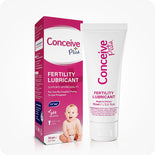
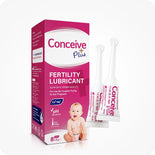
- The Conceive Plus Fertility Lubricant is ISO 29621-certified sperm-safe and designed specifically not to harm sperm motility, viability, or DNA integrity — unlike regular lubricants. During the preparation and monitoring phase, maintaining intimacy and comfort matters. This lubricant allows you to do so safely.
Shop Maximum Fertility Bundle →
Frequently Asked Questions About IVF Preparation
Q1: How long before IVF should I start preparing?
Ideally, 3–6 months before your cycle begins. This window covers the full development cycle of eggs and sperm, allowing dietary changes, supplementation, and lifestyle improvements to take full effect. However, even 4–6 weeks of preparation is significantly better than none at all.
Q2: Does diet really affect IVF success rates?
Yes, substantially. A Mediterranean-style diet has been associated with up to 65% higher IVF success probability in some studies. Diet influences egg quality, hormone levels, uterine lining quality, and embryo development. It is one of the most impactful variables entirely within your control.
Q3: Which supplements are most important for women doing IVF?
The most evidence-supported supplements are folic acid (or methylfolate), CoQ10, Vitamin D3, and omega-3 fatty acids. Myo-inositol is particularly important for women with PCOS. Always confirm your supplement plan with your fertility specialist, especially during the stimulation phase.
Q4: What can my husband/partner do to prepare for IVF?
Male preparation is equally important. Partners should focus on antioxidant supplementation (CoQ10, Vitamin C, E, zinc, selenium), avoiding heat to the genital area, stopping smoking and alcohol, reducing stress, and improving sleep. Sperm quality directly impacts fertilisation rates and embryo quality.
Q5: Can I exercise during IVF?
Moderate exercise (walking, yoga, swimming) is encouraged in the preparation phase. During stimulation, avoid high-impact or vigorous exercise as growing follicles can cause ovarian torsion. Post-transfer, rest for 24–48 hours then resume gentle walking. Avoid anything that causes sweating, jarring, or raises core temperature significantly.
Q6: How can I reduce stress during IVF?
Key strategies include mindfulness meditation, yoga, fertility counselling, maintaining social connection with supportive people, setting realistic expectations, and limiting consumption of stressful news and social media. The two-week wait in particular benefits from planned distractions and relaxing activities.
Q7: What is the success rate of IVF in India?
According to ISAR, IVF success rates in India average 30–40% per cycle for women under 35. Success rates are highest at accredited, high-volume centres with experienced embryologists. Choosing your clinic carefully and maximising your preparation both contribute meaningfully to your personal success probability.
Q8: Is ICSI different from IVF, and do I need it?
ICSI (Intracytoplasmic Sperm Injection) is a type of IVF where a single sperm is injected directly into each egg. It is recommended when sperm count, motility, or morphology is below normal, or when previous IVF cycles had poor fertilisation rates. Many Indian clinics use ICSI routinely. Your doctor will advise based on your semen analysis.
Q9: Can I use a lubricant during IVF preparation?
Most standard lubricants are toxic to sperm. If you use a lubricant during the preparation period or during monitoring cycles, choose a sperm-safe, fertility-friendly lubricant specifically. The Conceive Plus Fertility Lubricant is designed precisely for this purpose.
Q10: What should I avoid in the two weeks after embryo transfer?
Avoid strenuous exercise, hot baths or saunas, alcohol, smoking, anti-inflammatory drugs (like ibuprofen, unless prescribed), lifting heavy objects, and air travel if possible. Continue progesterone support exactly as prescribed. Stay hydrated, eat well, and rest — but there is no need to be completely sedentary. Gentle walking is fine and beneficial.
Conclusion: Your IVF Journey Starts Now
Beginning your IVF preparation journey is a profound act of commitment — to your family, your future, and each other. The science is clear: what you do in the months before your cycle meaningfully shapes your outcomes. Nutrition, supplementation, lifestyle, sleep, stress management, and emotional preparation are not peripheral concerns — they are central to your IVF success.
You cannot control every outcome, but you can control your preparation. And that preparation — the care you take, the choices you make, the love you pour into this process — becomes part of your story no matter what happens next.
Conceive Plus is here to walk alongside you with science-backed support, practical guidance, and products designed specifically for this journey. Start with your fundamentals, work closely with your fertility team, and trust the process.
Your best chance begins today.
Start Your IVF Preparation with Conceive Plus →
Trusted by Couples in Over 70 Countries
Support Male Fertility From the Inside Out
Male fertility is just as important as female fertility in the conception journey. Conceive Plus Men's range delivers targeted nutritional support to promote healthy sperm and overall reproductive wellbeing.
Shop Men's Range →