
PCOS and Fertility: How to Improve Your Chances of Getting Pregnant
PCOS and Fertility: How to Improve Your Chances of Getting Pregnant
Polycystic ovary syndrome (PCOS) is the most common hormonal disorder affecting women of reproductive age, estimated to affect 8–13% of women globally. It is also the leading cause of ovulatory infertility — meaning PCOS is behind a significant proportion of the fertility challenges experienced by couples trying to conceive.
Yet PCOS is not a sentence. Millions of women with PCOS conceive naturally or with minimal medical assistance. The key is understanding how PCOS affects fertility, what you can do to optimise your biology, and when and how to seek appropriate medical support.
This comprehensive guide addresses all of these questions, drawing on current clinical evidence and reproductive medicine guidance to give women with PCOS a clear, actionable path forward.
What Is PCOS and How Does It Affect Fertility?
PCOS is a complex endocrine disorder characterised by a combination of features. The Rotterdam criteria — the most widely used diagnostic standard — require at least two of the following three findings:
- Oligo- or anovulation: Irregular or absent ovulation, typically manifesting as irregular or infrequent periods
- Hyperandrogenism: Elevated androgens (testosterone and related hormones), clinically evident as acne, hirsutism (excess hair growth), or alopecia (scalp hair thinning)
- Polycystic ovarian morphology: Multiple small follicles (≥12 per ovary) visible on ultrasound, or increased ovarian volume
The fertility impact of PCOS operates through several mechanisms:
Irregular ovulation is the primary fertility challenge. Without regular ovulation, there is no egg to fertilise. Women with PCOS may ovulate irregularly — once every 35–90 days rather than monthly — making it difficult to predict the fertile window and reducing the number of conception opportunities per year.
Elevated androgens disrupt follicular development, impair egg quality, and alter the hormonal environment of the ovaries, making it more difficult for follicles to mature and release eggs normally.
Insulin resistance — present in 65–80% of women with PCOS — amplifies LH secretion and androgen production, further suppressing ovulation. Insulin resistance also impairs the metabolic environment required for healthy egg development.
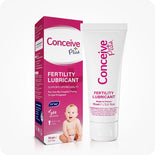
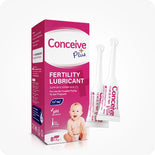
Altered cervical mucus: PCOS can disrupt the normal cycle of cervical mucus changes, reducing the fertile-quality mucus that is essential for sperm survival and transport. Some women with PCOS benefit from using a sperm-friendly fertility lubricant like Conceive Plus to supplement insufficient natural mucus and provide a sperm-supportive environment during intercourse.
Ovulation Tracking with PCOS: A Different Approach
Standard calendar-based ovulation prediction is particularly unreliable for women with PCOS, whose cycles are often irregular and unpredictable. However, tracking ovulation remains important and possible — it just requires adapted methods:
OPK interpretation with PCOS: Women with PCOS often have chronically elevated LH levels, which can cause false-positive OPK readings (the test reads positive even when you're not about to ovulate). This doesn't make OPKs useless, but it means positive readings should be interpreted in conjunction with other signs. Digital OPKs that look for a rise above your personal baseline (rather than an absolute threshold) can be more accurate for women with PCOS.
Basal body temperature (BBT): BBT charting remains useful for women with PCOS to confirm whether ovulation has occurred. The post-ovulation temperature rise is a reliable signal even in irregular cycles. However, with long or variable cycles, you may need to chart for many days before seeing a shift — be prepared for extended monitoring periods.
Ultrasound follicular tracking: For women struggling to identify ovulation through home methods, transvaginal ultrasound monitoring (performed in a clinic) can directly visualise follicle growth and ovulation. This approach is often used alongside ovulation induction medication.
Having regular intercourse: Given the difficulty of precisely timing ovulation in PCOS, some fertility specialists recommend that women with PCOS have regular intercourse (every 2–3 days) throughout the cycle rather than trying to pinpoint a specific fertile window. This approach ensures sperm are available when ovulation occurs, even if its timing is uncertain.
Lifestyle Interventions: The Most Powerful Tool for PCOS Fertility
Lifestyle modifications are the cornerstone of PCOS management and can have dramatic effects on ovulatory function. Even in women with moderate PCOS, targeted lifestyle changes can restore ovulation and enable natural conception without medication.
Weight management: In women with PCOS who are overweight, losing just 5–10% of body weight has been shown to restore ovulation in up to 55% of women. The mechanism is primarily through improved insulin sensitivity, which reduces hyperinsulinaemia and its amplification of androgen production. Weight loss also reduces LH hypersecretion and restores more normal follicular development.
Weight loss in PCOS does not need to be extreme. Modest, sustainable reductions through dietary improvement and exercise are more valuable than rapid, unsustainable weight loss that may compromise nutrition.
Dietary approach for PCOS: The optimal diet for PCOS prioritises foods that minimise insulin spikes and reduce chronic inflammation:
- Low glycaemic index (GI) carbohydrates — whole grains, legumes, most vegetables — which cause smaller, more gradual rises in blood glucose and insulin
- Adequate protein at each meal to slow gastric emptying and blunt post-meal glucose rises
- Anti-inflammatory fats — olive oil, oily fish, avocado, nuts
- High fibre intake — slows carbohydrate absorption and supports gut health, which influences insulin sensitivity
- Minimal refined carbohydrates, sugar, and ultra-processed foods — these drive the insulin spikes that worsen PCOS
Exercise: Regular moderate exercise — 150 minutes per week of moderate-intensity activity — improves insulin sensitivity independently of weight loss. Even in women who don't achieve weight loss, exercise reduces insulin resistance and can restore ovulatory regularity. Both aerobic exercise (walking, cycling, swimming) and resistance training have demonstrated benefit for PCOS.
Supplements for PCOS Fertility
Several supplements have specific evidence for improving fertility outcomes in PCOS:
Myo-inositol: The most extensively studied supplement for PCOS. Myo-inositol is an insulin sensitiser that improves insulin signalling in the ovaries. Multiple randomised controlled trials show that myo-inositol supplementation (2–4g/day) restores ovulation in women with PCOS, improves oocyte quality, and can rival the efficacy of metformin with a superior side effect profile. It is recommended as a first-line supplement for PCOS fertility.
D-chiro-inositol: Works synergistically with myo-inositol. The optimal ratio in supplements is typically 40:1 myo-inositol to D-chiro-inositol, mirroring physiological concentrations. Combined inositol supplements are preferred over D-chiro-inositol alone.
Vitamin D: Vitamin D deficiency is common in PCOS and correlates with insulin resistance severity. Supplementation can improve insulin sensitivity, menstrual regularity, and ovulatory function. Have your 25-OH vitamin D level tested; supplementation is particularly important if deficient.
N-acetyl cysteine (NAC): An antioxidant and precursor to glutathione that also improves insulin sensitivity. Clinical trials show NAC improves ovulation rates and pregnancy rates in women with PCOS, comparable to metformin.
Magnesium: Magnesium deficiency is associated with insulin resistance. Supplementation may improve insulin sensitivity and reduce PCOS symptoms, though evidence is less robust than for inositol.
Folate (methylfolate): Critical for all women trying to conceive for prevention of neural tube defects. The active methylated form is preferred for women with PCOS, as MTHFR gene variants — which impair standard folic acid conversion — are more common in PCOS.
Conceive Plus offers targeted fertility supplements formulated with the nutrients most relevant to women trying to conceive, including those managing PCOS. Explore Conceive Plus Fertility Supplements available in India.
Medical Treatments for PCOS-Related Infertility
When lifestyle changes alone are insufficient to restore ovulation, several evidence-based medical options are available:
Letrozole (Femara): Now the first-line medical treatment for ovulation induction in PCOS. Letrozole is an aromatase inhibitor that temporarily reduces oestrogen production, stimulating the pituitary to release FSH and triggering follicle development and ovulation. Multiple large trials show letrozole is superior to clomiphene (the previous first-line) for live birth rates in PCOS.
Clomiphene citrate (Clomid): An older ovulation induction agent that remains in use. Effective in many cases but with higher rates of multiple pregnancy and some side effects (including thickening of cervical mucus, which can paradoxically reduce conception probability — see below).
Metformin: An insulin-sensitising medication widely used in PCOS management. Metformin can restore ovulation in some women with PCOS and is often used alongside letrozole or clomiphene in treatment-resistant cases.
Gonadotropin injections: FSH injections directly stimulate follicle development and are used when oral agents fail. They require careful monitoring to avoid ovarian hyperstimulation syndrome (OHSS), which is more common in women with PCOS.
IVF: When other treatments have failed or when other factors also contribute to infertility, IVF is an effective option for women with PCOS. PCOS patients typically respond vigorously to ovarian stimulation and retrieve many eggs, though the risk of OHSS requires careful protocol management.
Note on cervical mucus and clomiphene: Clomiphene has anti-oestrogenic effects on the cervix that can reduce cervical mucus quantity and quality. Women taking clomiphene may benefit from using a sperm-friendly lubricant during their fertile window to compensate for reduced natural mucus and maintain a sperm-supportive vaginal environment.
Emotional Wellbeing and PCOS
PCOS affects much more than reproductive function. The combination of physical symptoms (weight gain, hirsutism, acne, irregular periods), fertility challenges, and the chronic nature of the condition creates a significant psychological burden. Studies show that women with PCOS have significantly higher rates of anxiety, depression, and reduced quality of life compared to the general population.
Addressing psychological wellbeing is a clinical priority in PCOS management, not an afterthought. Evidence-based approaches include cognitive behavioural therapy (CBT), mindfulness-based interventions, and peer support groups specific to PCOS.
The TTC community for women with PCOS is large and active. Online communities and support groups provide solidarity, practical advice, and emotional validation — all of which reduce isolation and support resilience through what can be an extended and challenging journey.
Frequently Asked Questions About PCOS and Fertility
Q: Can I get pregnant naturally with PCOS?
A: Yes. Many women with PCOS conceive naturally, particularly with lifestyle optimisation. PCOS is the most common cause of ovulatory infertility, but ovulatory infertility is also one of the most treatable. Restoring ovulation — through lifestyle changes or medication — is usually the primary goal.
Q: Does metformin improve fertility in PCOS?
A: Metformin improves insulin sensitivity and can restore ovulation in some women with PCOS. It is often used alongside letrozole or clomiphene. It is not a first-line fertility treatment on its own but has an established supporting role in PCOS management.
Q: How do I know if I'm ovulating with PCOS?
A: Track BBT for a temperature rise after ovulation. Use OPKs, being aware that PCOS may cause false positives due to chronically elevated LH. Confirm ovulation with your doctor using blood progesterone testing (day 21 test, or 7 days after suspected ovulation in irregular cycles) or ultrasound monitoring.
Q: Does inositol really help PCOS fertility?
A: Yes — myo-inositol has the strongest evidence base of any supplement for PCOS fertility. Multiple randomised controlled trials show it improves insulin sensitivity, restores menstrual regularity, and increases ovulation rates. It is recommended by many fertility specialists as a first-line supplement.
Q: Can losing weight cure PCOS?
A: PCOS has no "cure" — it is a lifelong condition. However, in overweight women, weight loss can dramatically improve PCOS symptoms and fertility outcomes, sometimes to the point where the condition appears clinically resolved. Maintaining a healthy weight remains important long-term.
Q: Does PCOS increase miscarriage risk?
A: Women with PCOS do have a modestly increased risk of early miscarriage, possibly related to egg quality, elevated androgens, and uterine environment. Optimising insulin sensitivity and androgen levels before conception may reduce this risk.
Q: How long does it typically take to conceive with PCOS?
A: This varies widely. Women who restore ovulation through lifestyle changes may conceive within a few ovulatory cycles. Those requiring medical ovulation induction may take several treatment cycles. With appropriate management, most women with PCOS who want to conceive can do so, though the journey may take longer than for women with regular ovulation.
Q: Is Conceive Plus useful for women with PCOS?
A: Yes. PCOS often reduces cervical mucus quality and quantity, creating a less sperm-friendly vaginal environment. Conceive Plus fertility lubricant provides sperm-friendly pH and osmolality to support sperm survival when natural mucus is compromised. Conceive Plus supplements also support the nutritional needs of women with PCOS trying to conceive.
Conclusion: PCOS Does Not Mean You Cannot Conceive
PCOS presents real challenges to conception — primarily through irregular ovulation and altered hormonal and metabolic environments. But it is not an insurmountable barrier. With the right knowledge, lifestyle approach, and medical support where needed, the majority of women with PCOS who want to conceive will be able to do so.
Start with what you can control: dietary quality, weight management, regular exercise, and targeted supplementation with myo-inositol, vitamin D, and folate. Track your cycle carefully, using multiple methods. Seek medical evaluation early if ovulation is very infrequent or if you've been trying without success for 6–12 months.
Conceive Plus supports women with PCOS on their fertility journey — with clinically appropriate supplements and sperm-friendly lubricants that address the specific challenges PCOS creates.
👉 Explore Conceive Plus Fertility Supplements for Women with PCOS — Available in India
Explore Conceive Plus Products — Trusted by Millions of Couples Worldwide →