
PCOS and Fertility in India: Natural Ways to Improve Your Chances of Conceiving
PCOS and Fertility in India: Natural Ways to Improve Your Chances of Conceiving
Polycystic ovary syndrome (PCOS) is one of the most common hormonal disorders among women of reproductive age in India, affecting an estimated 1 in 5 Indian women — a prevalence among the highest globally. Despite how widespread it is, PCOS remains widely misunderstood, particularly regarding its impact on fertility and what can realistically be done about it. This comprehensive guide addresses PCOS and fertility with a focus on practical, evidence-based natural approaches specifically relevant to Indian women trying to conceive.
Understanding PCOS and Its Effect on Fertility
PCOS is a hormonal syndrome characterised by three features (two of which must be present for diagnosis under the Rotterdam criteria):
- Polycystic ovaries on ultrasound: Multiple small follicles (12 or more, each 2–9mm in diameter) arranged around the ovary's periphery, giving a "string of pearls" appearance
- Oligo- or anovulation: Irregular or absent ovulation
- Clinical or biochemical hyperandrogenism: Elevated male hormones (testosterone, DHEAS, androstenedione) or their symptoms (acne, hirsutism, male-pattern hair thinning)
The primary fertility impact of PCOS is irregular or absent ovulation. Without ovulation, conception is impossible in that cycle. Additionally, PCOS is associated with insulin resistance (in 70–80% of cases), elevated LH levels, and often poor egg quality — all of which can affect fertilisation even when ovulation does occur.
However — and this is critical — PCOS does not mean infertility. Most women with PCOS can and do conceive, either naturally or with minimal medical assistance. The key is understanding and addressing the underlying hormonal imbalances.
Why PCOS Prevalence Is High in India
🌟 Ready to Optimise Your Fertility Journey?
Conceive Plus is trusted by couples worldwide and used in fertility clinics across 70+ countries. Designed with science, crafted for results.
Shop Conceive Plus Now →India's high PCOS rates reflect a convergence of genetic and environmental factors:
- Genetic predisposition: South Asian women have a higher genetic susceptibility to insulin resistance, even at normal BMI ranges. A BMI of 23 in a South Asian woman may carry metabolic risks equivalent to BMI 27–28 in a Caucasian woman.
- Dietary patterns: Traditional Indian diets can be high-glycaemic-load (white rice, refined wheat/maida, potatoes, sugary sweets) — dietary patterns that worsen insulin resistance and PCOS symptoms.
- Sedentary urbanisation: Rapid urbanisation in India's cities has reduced physical activity while increasing processed food consumption — both key PCOS triggers.
- Vitamin D deficiency: Despite India's sunshine levels, paradoxically high vitamin D deficiency rates exist due to indoor work, sun avoidance, and clothing. Vitamin D deficiency worsens insulin resistance and is common in PCOS.
- Diagnostic underreporting: Many Indian women with PCOS are undiagnosed, particularly in rural areas where gynaecological screening is limited.
Natural Approaches to Improve PCOS Fertility
Before pharmaceutical intervention, lifestyle modifications can significantly improve ovulation frequency and fertility outcomes in PCOS women. These natural approaches are evidence-based and culturally compatible with Indian lifestyles:
Dietary Modification: The Most Powerful Tool
Diet is the single most impactful intervention for PCOS-related insulin resistance and ovulation restoration:
- Switch to low-glycaemic grains: Replace white rice with brown rice, millets (jowar, bajra, ragi), or quinoa. Choose whole wheat chapati over maida-based preparations. These cause gentler blood sugar rises, improving insulin sensitivity.
- Increase protein intake: Include quality protein at every meal — dal, legumes, paneer, eggs, fish, or lean chicken. Protein slows glucose absorption and helps maintain satiety, supporting weight management.
- Prioritise Indian foods with low glycaemic index: Moong dal, rajma, chana, soybean, fenugreek seeds (methi), bitter gourd (karela), and leafy vegetables are all low-GI Indian foods that support blood sugar control.
- Methi (fenugreek): Traditional Indian remedy with actual evidence. Studies show methi seed extracts improve insulin sensitivity and reduce testosterone levels in PCOS. Add methi to curries, or soak seeds overnight and consume with water.
- Reduce refined sugar: Minimise mithai, sugary chai, cold drinks, and packaged snacks. These spike insulin rapidly.
- Include healthy fats: Ghee in moderation, coconut (in traditional south Indian cooking), nuts, and seeds provide anti-inflammatory fats that support hormonal balance.
Physical Activity for PCOS in India
Exercise is an independent PCOS treatment — not just for weight management but for insulin sensitisation regardless of weight changes:
- 150 minutes per week of moderate-intensity exercise (brisk walking, cycling, yoga asanas, swimming, aerobics) has been shown to improve ovulation frequency in PCOS
- Resistance/strength training is particularly beneficial for insulin resistance — building muscle mass improves glucose uptake independently of cardiovascular exercise
- Yoga: Indian research specifically supports yoga for PCOS. Studies from Indian institutions show yoga significantly improves menstrual regularity, reduces androgenic symptoms, and lowers insulin resistance in PCOS patients. Specific asanas studied include Pawanmuktasana, Dhanurasana, Sarvangasana, and Chakiasana, alongside pranayama.
- Avoid over-exercise: Excessive high-intensity training can raise cortisol and worsen hormonal imbalance in PCOS. Moderate, consistent activity is better than intense sporadic exercise.
Supplements With Evidence in PCOS
- Myo-inositol: The most researched natural PCOS supplement. Inositol is a naturally occurring compound that improves insulin signalling. Multiple RCTs show myo-inositol (2g twice daily) significantly improves ovulation frequency, reduces testosterone, and lowers LH/FSH ratio in PCOS. The combination of myo-inositol (40:1 ratio with D-chiro inositol) has the strongest evidence.
- Vitamin D: Widespread deficiency in India worsens PCOS. Supplementation (1000–4000 IU daily) improves insulin sensitivity and menstrual regularity. Have your vitamin D levels checked via a simple blood test.
- NAC (N-Acetyl Cysteine): Several Indian and international studies show NAC (600mg 2–3 times daily) improves insulin resistance and ovulation in PCOS, comparable in some studies to metformin.
- Chromium: Trace mineral that enhances insulin signalling. 200–1000mcg chromium picolinate daily has shown modest improvement in insulin resistance markers in PCOS.
- Omega-3 fatty acids: Anti-inflammatory effects support testosterone reduction and regular ovulation in PCOS. 2–3g combined EPA/DHA daily.
- Folate (methylfolate): Essential before conception for all women. Women with PCOS on metformin require extra folate as metformin reduces folate absorption.
Conceive Plus manufactures ovulation support supplements designed for women with conditions like PCOS, containing myo-inositol, D-chiro inositol, folate, vitamin D, and key minerals. Available at conceiveplus.in and through selected pharmacies across India.
Managing Cervical Mucus in PCOS
PCOS often disrupts cervical mucus production due to hormonal imbalances. Reduced or absent egg-white cervical mucus (EWCM) makes it harder for sperm to travel to the egg and makes ovulation timing more difficult to observe.
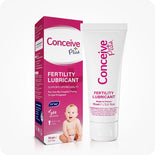
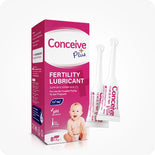
If you notice absent or poor-quality cervical mucus with PCOS, using a sperm-safe lubricant like Conceive Plus can help compensate. Conceive Plus is pH-balanced to match the fertile vaginal environment and contains calcium and magnesium ions that support sperm function. Critically, unlike standard lubricants widely available in Indian pharmacies (including popular brands), Conceive Plus is confirmed sperm-safe and will not harm sperm motility.
Standard lubricants available in India — including internationally recognised brands found in medical stores and online platforms — have been shown in research to reduce sperm motility by 60–100%. Using them while TTC can undermine otherwise well-timed intercourse.
Conceive Plus is available at conceiveplus.in.
Ovulation Tracking with PCOS
Tracking ovulation with PCOS requires a more persistent approach than for regular cycles:
- Start OPK testing earlier: Begin from Day 5–8 of your cycle and continue until a positive or until Day 22–25. With PCOS, the LH surge can occur at unpredictable times.
- Interpret OPKs carefully: PCOS can cause chronically elevated LH, leading to false-positive OPK results. Digital OPKs that detect both LH and oestrogen (like Clearblue Digital) are more reliable for PCOS because they identify the specific oestrogen rise that precedes the true LH surge.
- Use BBT charting: While it confirms ovulation retrospectively, BBT charting over several cycles helps identify your unique ovulation timing pattern even in irregular cycles.
- Cervical mucus observation: EWCM is still a relevant indicator, even if less predictable in PCOS.
- Transvaginal ultrasound follicle tracking: The gold standard for confirming ovulation in PCOS. Available at fertility clinics and gynaecology practices across India. Useful when other methods give unclear results.
When to Seek Medical Help for PCOS and Fertility in India
Natural approaches can take 3–6 months to significantly improve ovulation. After this period, or earlier if cycles remain very irregular, consult a gynaecologist or reproductive medicine specialist:
- Letrozole or clomiphene citrate (ovulation induction medications) are first-line treatments for anovulatory PCOS TTC. Available across India through gynaecologists and reproductive endocrinologists.
- Metformin: An insulin-sensitising medication that improves ovulation in PCOS, particularly for women with significant insulin resistance. Often prescribed alongside letrozole.
- Laparoscopic ovarian drilling (LOD): A surgical option for PCOS women who don't respond to medication — reduces ovarian androgen production. Available at major hospitals.
- IUI and IVF: Available at fertility centres across major Indian cities — Mumbai, Delhi, Bangalore, Chennai, Hyderabad — and now increasingly in tier-2 cities. Costs are significantly lower in India than Western countries.
FAQ: PCOS and Fertility in India
Q1: Can women with PCOS conceive naturally without medical help?
Yes — many can, particularly those with milder PCOS. Diet, exercise, and supplement interventions that restore regular ovulation allow natural conception. However, if natural cycles aren't established within 6 months of lifestyle changes, medical ovulation induction significantly improves outcomes.
Q2: Does weight loss always improve PCOS fertility?
For women with PCOS who are overweight or obese, even a 5–10% reduction in body weight can restore ovulation and improve fertility. However, lean PCOS (normal weight with PCOS) is also common in Indian women and requires a different approach focused more on insulin sensitisation and androgenic hormone reduction.
Q3: Is myo-inositol available in India?
Yes. Myo-inositol supplements are available through online platforms (Amazon India, Flipkart), specialty supplement stores, and some pharmacies in major cities. Look for products combining myo-inositol with D-chiro inositol in a 40:1 ratio. Conceive Plus ovulation support supplements are also available at conceiveplus.in.
Q4: Does Ayurveda offer any evidence-based support for PCOS fertility?
Some Ayurvedic herbs have emerging evidence in PCOS management. Shatavari has mild oestrogenic effects and has been traditionally used for female reproductive health. Ashwagandha reduces cortisol and may support hormonal balance. Triphala has shown glucose-lowering effects. Always inform your gynaecologist of any herbal supplements.
Q5: Can PCOS disappear after pregnancy?
PCOS is a lifelong condition that doesn't "disappear," but symptoms often improve after pregnancy and breastfeeding due to hormonal changes. Many women find their cycles are more regular postpartum. However, ongoing management after TTC phase is important for long-term health.
Q6: How long should I try natural approaches before seeing a doctor?
Give natural lifestyle and supplement approaches 3–6 months. If you have very irregular cycles (more than 35 days apart), complete absence of periods, or known PCOS with prior fertility challenges, seeing a specialist earlier is appropriate. There's no benefit in waiting longer than 6 months if natural approaches haven't restored regular ovulation.
Q7: Is it safe to use a fertility lubricant with PCOS?
Yes, and it's often beneficial. PCOS frequently reduces cervical mucus quality. Using a sperm-safe lubricant like Conceive Plus supports the fertile environment that PCOS may compromise. Avoid standard lubricants sold in Indian medical stores — these are harmful to sperm.
Q8: Does eating sugar directly cause PCOS?
Sugar doesn't cause PCOS — PCOS has genetic components. However, high sugar and refined carbohydrate intake significantly worsens insulin resistance in women who are genetically predisposed, which amplifies PCOS symptoms including irregular ovulation. Reducing sugar is one of the most impactful dietary changes for PCOS management.
Q9: Can PCOS cause miscarriage?
Yes. PCOS is associated with a higher miscarriage rate, thought to be related to elevated LH in early pregnancy, insulin resistance effects on the endometrium, and egg quality issues. Ongoing management of insulin resistance (including metformin in some cases) during early pregnancy may reduce miscarriage risk in PCOS.
Q10: What tests should I ask my doctor for if I suspect PCOS affecting fertility?
Ask for: Day 2–3 hormone panel (FSH, LH, oestradiol, testosterone, DHEAS), day 21 progesterone (to confirm ovulation), fasting insulin and glucose, thyroid function tests, vitamin D level, prolactin, transvaginal ultrasound (antral follicle count), and partner semen analysis. These cover all the key fertility assessment points for PCOS evaluation.
💜 Take the Next Step With Conceive Plus
Whether you are just starting your TTC journey or you have been trying for a while, Conceive Plus offers clinically backed products to support every step. Join thousands of couples who have trusted Conceive Plus on their path to parenthood.
Explore Conceive Plus Products →