
How to Time Intercourse for Conception: The Complete Guide to Maximising Your Chances Each Cycle
How to Time Intercourse for Conception: The Complete Guide to Maximising Your Chances Each Cycle
If you are trying to conceive, one of the most impactful things you can do is understand when to have intercourse — not just how often. The science of conception timing is clear: a woman is only fertile for a brief window each cycle, and targeting that window dramatically increases your monthly chances of success. Yet many couples remain uncertain about exactly when that window opens, how to identify it reliably, and what they can do to make the most of it.
This comprehensive guide walks you through everything — from the biology of the fertile window to practical strategies for identifying ovulation, optimising intercourse frequency, addressing common myths, and supporting both partners through this important phase of your journey.
Understanding the Fertile Window: Your 5–6 Day Opportunity Each Cycle
A common misconception is that women can become pregnant at any point in their cycle. In reality, pregnancy is only possible when a sperm reaches a mature egg — and that egg survives just 12 to 24 hours after ovulation. Sperm, however, can survive inside the female reproductive tract for up to five days under the right conditions.
This creates a fertile window of approximately five to six days per cycle: the five days leading up to ovulation, and the day of ovulation itself. Research published in the New England Journal of Medicine confirmed that the highest probability of conception occurs when intercourse takes place on the day before ovulation or the day of ovulation itself — with conception rates dropping significantly outside this window.
Understanding your cycle length is the first step. While the average cycle is 28 days, cycles of 21 to 35 days are considered normal. In a 28-day cycle, ovulation typically occurs around day 14 — but this is an average, not a rule. Irregular cycles, stress, travel, illness, and hormonal fluctuations can all shift ovulation earlier or later in any given month.
Key takeaways:
- The fertile window is approximately 5–6 days per cycle
- Egg viability is only 12–24 hours post-ovulation
- Sperm can survive 3–5 days in fertile cervical mucus
- The day before and day of ovulation carry the highest conception probability
- Cycle length varies — do not rely on calendar estimates alone
How to Identify Ovulation: BBT, Cervical Mucus, OPKs, and Apps
Optimise Every Fertile Window
Conceive Plus fertility lubricant is clinically proven to be sperm-friendly and isotonic — designed to support natural conception without interfering with sperm motility. Trusted by couples across India.
Explore Our Products →Because cycles vary and ovulation is not always predictable from calendar counting, learning to read your body's own fertility signals is invaluable. There are several reliable methods, and using them in combination gives the most accurate picture.
Basal Body Temperature (BBT) Charting
Basal body temperature is your body's temperature at complete rest. After ovulation, progesterone causes a subtle but measurable temperature rise of approximately 0.2–0.5°C. By taking your temperature every morning before getting out of bed and recording it on a chart, you can identify the post-ovulation rise — confirming that ovulation has occurred.
The limitation: BBT charting tells you after ovulation has happened, making it most useful for identifying patterns over several cycles rather than pinpointing the fertile window in real time. However, after 2–3 cycles of charting, most women can predict their ovulation window with reasonable accuracy.
Cervical Mucus Observation
Cervical mucus changes in texture and appearance throughout the cycle in response to oestrogen and progesterone. In the days leading up to ovulation, mucus becomes increasingly abundant, clear, and stretchy — often described as resembling raw egg whites. This "fertile quality" mucus is critical: it nourishes sperm, protects them from the acidic vaginal environment, and physically guides them towards the egg.
Monitoring cervical mucus is free, requires no equipment, and is surprisingly accurate. Studies show that couples who use cervical mucus observation correctly have conception rates comparable to those using ovulation predictor kits. The peak fertile day — the last day of egg-white cervical mucus — is typically the day of or day before ovulation.
Ovulation Predictor Kits (OPKs)
Ovulation predictor kits detect the luteinising hormone (LH) surge that triggers ovulation approximately 24–36 hours before the egg is released. Urine-based OPKs are widely available, easy to use, and highly reliable when used correctly. A positive OPK result means ovulation is imminent — this is an ideal time to plan intercourse.
Tips for using OPKs effectively:
- Begin testing 2–3 days before your expected ovulation window
- Test at the same time each day, ideally between 10 AM and 8 PM
- Reduce fluid intake for 2 hours before testing to avoid diluting the sample
- A positive result (test line as dark or darker than control) indicates the LH surge — plan intercourse that day and the following day
Fertility Tracking Apps
Smartphone apps that combine cycle tracking, BBT data, and mucus observations use algorithms to predict fertile windows. Apps like Flo, Clue, and Kindara can be useful tools, particularly when integrated with wearable BBT devices. However, they work best when used alongside physical observations rather than as a standalone prediction method — especially for women with irregular cycles.
Optimal Timing and Frequency of Intercourse
Once you have identified your fertile window, the question becomes: how often should you have intercourse, and exactly when?
Frequency Recommendations
Research supports having intercourse every 1–2 days during the fertile window, rather than attempting to pinpoint a single "perfect" day. A landmark study by the European Society of Human Reproduction and Embryology found that daily intercourse during the fertile window achieved conception rates of 37% per cycle, compared to 33% for every-other-day intercourse and just 15% for once-weekly intercourse.
For most couples, the practical recommendation is:
- Start early: Begin having intercourse 5–6 days before expected ovulation
- Aim for every 1–2 days throughout the fertile window
- Prioritise the 2-day window: the day of a positive OPK and the day after
- Do not abstain for more than 3–4 days before ovulation, as long abstinence periods can reduce sperm quality
Does Time of Day Matter?
Some research suggests that sperm quality may be marginally higher in the morning hours, though the difference is modest. More important than time of day is consistency during the fertile window. Do not stress about achieving a precise daily time — focus on regularity across the window.
The Role of Sperm Freshness
Very long periods of abstinence (more than 5–7 days) are associated with higher proportions of older, DNA-damaged sperm. Equally, ejaculation more than once per day may temporarily reduce sperm count. For men with normal sperm parameters, ejaculating every 1–2 days during the fertile window maintains both volume and quality optimally.
Myths About Intercourse Timing — Separating Fact from Fiction
The internet is full of well-meaning but scientifically unsupported advice about conception. Here are some of the most common myths — and the evidence-based reality behind them.
Myth: Certain Positions Increase Your Chances of Conception
Reality: There is no scientific evidence that any sexual position improves conception rates. Sperm are remarkably capable swimmers — they begin moving towards the cervix within seconds of ejaculation regardless of body position. While deep penetration may deposit sperm closer to the cervix, studies have not found a meaningful difference in pregnancy rates based on position.
Myth: You Should Lie with Your Legs in the Air After Sex
Reality: No research supports the idea that lying with legs elevated or hips propped for any period of time improves conception rates. Sperm enter the cervical canal within seconds of ejaculation. Remaining horizontal for 10–15 minutes is unlikely to cause harm, but is not necessary for conception to occur.
Myth: Orgasm Helps Sperm Reach the Egg
Reality: The "uterine suction" theory — that female orgasm creates contractions that draw sperm inward — is not supported by conclusive evidence. While some studies have observed uterine contractions during orgasm, there is no proven link to higher conception rates. Enjoyable, stress-free intercourse is beneficial for wellbeing, but orgasm is not a requirement for conception.
Myth: You Can Only Get Pregnant on Day 14
Reality: Day 14 is only the average ovulation date for a textbook 28-day cycle. Research consistently shows enormous individual variation. Women regularly ovulate on day 10, day 18, or even later, depending on their personal cycle and monthly variations. Relying solely on calendar-based predictions without observing ovulation signs is one of the leading reasons couples miss their fertile window.
Myth: Stress Cannot Affect Conception
Reality: Chronic stress can suppress the hormonal signals required for ovulation. Elevated cortisol levels can disrupt the hypothalamic-pituitary-ovarian axis, potentially delaying or preventing ovulation in some cycles. While a single stressful day will not prevent conception, sustained high stress over multiple cycles may warrant attention to lifestyle and support strategies.
What Can Affect Sperm Quality at the Time of Intercourse
Timing is only one side of the equation. The quality of sperm present during the fertile window is equally important. Several factors influence sperm quality and can be addressed in the days and weeks surrounding the fertile window.
Heat Exposure
Sperm production (spermatogenesis) requires a temperature slightly below core body temperature — which is why the testes are located outside the body. Heat exposure from laptops on the lap, hot baths, saunas, tight underwear, or long periods of sitting can raise scrotal temperature and temporarily impair sperm production. For men actively trying to conceive, minimising heat exposure during the fertile window and in the weeks prior is advisable.
Alcohol and Smoking
Both alcohol and smoking are independently associated with reduced sperm count, motility, and morphology. A large meta-analysis found that heavy alcohol use reduced sperm concentration by up to 33%. Smoking is associated with 22% lower sperm concentration and significant increases in DNA fragmentation. Reducing or eliminating these factors — particularly in the fertile window period — is strongly recommended.
Nutrition and Antioxidants
Oxidative stress damages sperm DNA and reduces motility. Antioxidant-rich diets and targeted supplementation have been shown to improve sperm parameters. Key nutrients include vitamin C, vitamin E, zinc, selenium, CoQ10, and L-carnitine. A quality male fertility supplement taken consistently for 3 months (the duration of a full sperm cycle) offers the most benefit.
Exercise
Moderate regular exercise supports healthy testosterone levels and sperm production. However, excessive endurance exercise or anabolic steroid use can suppress sperm production. Aim for 30–45 minutes of moderate activity most days — cycling in padded shorts for extended periods is best minimised due to the pressure and heat applied to the perineal area.
Lubricant Choice
Many conventional lubricants — including saliva — are harmful to sperm. Standard water-based and silicone lubricants have been shown in multiple studies to reduce sperm motility by up to 60–100% in vitro. During the fertile window, if lubrication is needed, use only sperm-friendly, isotonic lubricants specifically formulated to be compatible with sperm function. This is an often-overlooked factor that can significantly affect conception outcomes.
How Sperm-Friendly Fertility Lubricants Support Conception
Natural lubrication can be reduced by stress, antihistamines, certain hormonal contraceptives transitioning off, and simply the anxiety of timed intercourse. For couples who need or prefer to use a lubricant during their fertile window, choosing the right product is not a minor detail — it can be the difference between supporting and impeding sperm function.
Standard lubricants create an osmotically unfavourable environment that causes sperm cells to dehydrate and lose motility rapidly. Isotonic, pH-balanced fertility lubricants are formulated to match the natural conditions of fertile cervical mucus, maintaining the osmolality and pH that allow sperm to swim freely and remain viable.
Clinical research has demonstrated that sperm-friendly lubricants preserve sperm motility at levels comparable to no lubricant use — an important benchmark. Look for products that are:
- Isotonic (matching the body's natural fluid balance)
- pH-matched to fertile cervical mucus (approximately 7.0–8.5)
- Free from parabens, glycerin in high concentrations, and synthetic fragrances
- Clinically tested for sperm compatibility
- Cleared as a medical device (Class IIa or equivalent)
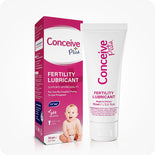
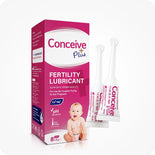
Conceive Plus fertility lubricant is specifically formulated to meet all of these criteria. It contains calcium and magnesium ions that support sperm capacitation — the process by which sperm become capable of fertilising an egg. It is safe to use during the fertile window and is trusted by fertility specialists and couples across India.
When to Seek Help if Timing Intercourse Isn't Working
For many couples, understanding and targeting the fertile window is all that is needed to achieve conception. But timing optimisation has limits — and it is important to recognise when medical evaluation may be appropriate.
How Long Should You Try Before Seeking Help?
Clinical guidelines from the American Society for Reproductive Medicine recommend:
- Under 35: Seek evaluation after 12 months of regular, timed intercourse without conception
- 35–40: Seek evaluation after 6 months
- Over 40: Consult a specialist without delay
- Any age: Seek earlier evaluation if you have known risk factors — irregular cycles, PCOS, endometriosis, previous pelvic infections, or known male factor concerns
What Evaluation Involves
Initial fertility evaluation typically includes hormonal blood tests (FSH, LH, AMH, thyroid, prolactin), a pelvic ultrasound, and a semen analysis for the male partner. Semen analysis is non-invasive, quick, and provides critical information about sperm count, motility, and morphology — factors that cannot be assessed from intercourse timing alone.
Common Reasons Timed Intercourse May Not Lead to Conception
- Anovulatory cycles (cycles where ovulation does not occur despite an LH surge)
- Diminished ovarian reserve
- Tubal blockage
- Poor sperm quality or low count
- Luteal phase deficiency
- Undiagnosed PCOS or thyroid dysfunction
Seeking help is not a sign of failure — it is a proactive, informed step towards understanding your fertility and accessing the support that may be needed.
Holistic Support During the Fertile Window: Supplements, Nutrition, and Lifestyle
While timing intercourse correctly is the primary lever, supporting overall fertility health through nutrition, supplementation, and lifestyle choices during the fertile window and beyond amplifies your chances.
Key Supplements for Women
- Folate (or methylfolate): Essential for DNA synthesis and neural tube development from the moment of conception. Begin at least 3 months before trying to conceive.
- Vitamin D: Low vitamin D is associated with impaired ovulation and poor implantation. Many Indian women are deficient due to indoor lifestyles.
- CoQ10: Supports mitochondrial function in egg cells, which is particularly important for women over 35.
- Myo-inositol: Particularly beneficial for women with PCOS; supports ovulation regularity and insulin sensitivity.
- Omega-3 fatty acids (DHA/EPA): Support hormonal balance and uterine blood flow.
Key Supplements for Men
- Zinc: Critical for testosterone production and sperm development.
- Selenium: Supports sperm structure and protects against DNA damage.
- CoQ10: Improves sperm motility and energy production.
- Vitamin C and E: Antioxidant protection against oxidative damage to sperm DNA.
- L-carnitine: Supports sperm motility and energy metabolism.
Nutrition During the Fertile Window
A Mediterranean-style diet — rich in vegetables, legumes, whole grains, healthy fats (olive oil, nuts, avocado), and lean proteins — is consistently associated with better fertility outcomes for both men and women. During the fertile window specifically:
- Prioritise antioxidant-rich foods (berries, leafy greens, citrus, carrots)
- Include iron-rich foods (lentils, spinach, seeds) to support uterine lining quality
- Reduce ultra-processed foods, refined sugar, and excessive caffeine
- Stay well hydrated — adequate hydration supports cervical mucus production
Stress Management
The fertile window can feel high-stakes, and performance pressure can create a counterproductive cycle of anxiety. Practices that help regulate the stress response — yoga, mindfulness meditation, gentle walking, adequate sleep — support hormonal balance and improve the intercourse experience for both partners. Reframe timed intercourse as an act of connection and intention, not just a clinical task.
Sleep
Both melatonin (a natural antioxidant produced during sleep) and growth hormone (released during deep sleep) support reproductive health. Aim for 7–9 hours of quality sleep per night, and maintain a consistent sleep schedule to support circadian hormone patterns.
Frequently Asked Questions
How do I know when I am ovulating?
The most reliable approach combines ovulation predictor kits (OPKs) with observation of cervical mucus changes and, over time, basal body temperature charting. A positive OPK — where the test line is as dark or darker than the control line — indicates an LH surge, meaning ovulation is expected within 24–36 hours. Egg-white cervical mucus is a strong fertility sign that typically peaks around ovulation.
Can I get pregnant if I have sex after ovulation?
Conception is very unlikely if intercourse occurs more than 12–24 hours after ovulation, as the egg is no longer viable after this point. This is why timing intercourse in the days before ovulation — so sperm are already present when the egg is released — is more effective than trying to time intercourse immediately after a confirmed ovulation sign.
How many times should we have sex during the fertile window?
Every 1–2 days throughout the fertile window (roughly 5–6 days) is the evidence-based recommendation. Daily intercourse during this window is also appropriate for most couples and achieves the highest per-cycle conception rates in research studies. There is no benefit to having intercourse more than once per day.
Does male age affect conception timing strategies?
Yes. While men remain fertile much longer than women, sperm quality — particularly DNA integrity — does decline with age. Men over 40 have higher rates of sperm DNA fragmentation, which can impair fertilisation and increase early miscarriage risk. Antioxidant supplementation and avoiding heat, smoking, and alcohol become even more important as a male partner ages.
Can stress delay ovulation and shift my fertile window?
Yes. Chronic stress can suppress GnRH (gonadotropin-releasing hormone) release, which delays or prevents ovulation. This means your fertile window may arrive later in the cycle than usual, or may not occur at all (anovulatory cycle). This is one reason why relying solely on calendar-based predictions — rather than real-time ovulation monitoring — can lead couples to miss the fertile window during stressful months.
Is it safe to use a lubricant during the fertile window?
It is safe to use a lubricant during the fertile window, provided you choose a sperm-friendly, isotonic product. Standard lubricants — including saliva and most over-the-counter products — can significantly reduce sperm motility and should be avoided. Fertility lubricants specifically formulated to be compatible with sperm function are safe and do not interfere with conception efforts.
What if my cycles are irregular — how do I time intercourse?
Irregular cycles make calendar-based prediction unreliable. The most effective approach is daily monitoring with OPKs (starting from day 8–10 of the cycle), combined with cervical mucus observation. Because you cannot predict exactly when your LH surge will occur, you may need to test for a longer window each cycle. BBT charting over several cycles can also help identify patterns in your ovulation timing.
Does the missionary position help conception?
There is no scientific evidence that any specific sexual position improves conception rates. Sperm are deposited near the cervix regardless of position, and they begin navigating towards the fallopian tubes within seconds. Choose whatever position is most comfortable and enjoyable — reducing anxiety around intercourse is more important than any positional consideration.
Should I use a fertility supplement before the fertile window or only during it?
Most fertility supplements — especially those targeting egg quality, sperm health, and hormonal balance — need to be taken consistently for at least 60–90 days before the fertile window to be effective. A full sperm cycle (spermatogenesis) takes approximately 74 days, and egg quality improvements are also a gradual process. Start supplementation as early as possible in your conception journey rather than only during the fertile window itself.
When should we consult a fertility specialist?
Guidelines recommend seeking specialist evaluation after 12 months of timed intercourse without conception for women under 35, and after 6 months for women 35–40. However, consult sooner if you have irregular cycles, known hormonal conditions (PCOS, thyroid disorders), a history of pelvic inflammatory disease, previous pregnancy losses, or if your male partner has known sperm concerns. Early evaluation is always appropriate and does not commit you to treatment.
Every Cycle Counts
When timing matters, the right support makes a difference. Conceive Plus offers sperm-friendly lubricants and fertility supplements to help you make the most of every fertile window.
Shop Conceive Plus →