
Fertility Lubricants: The Complete Guide to Choosing a Sperm-Friendly Lubricant
Fertility Lubricants: The Complete Guide to Choosing a Sperm-Friendly Lubricant When Trying to Conceive
When you are trying to conceive, every detail matters — including what you use for lubrication during intercourse. Most couples are unaware that standard lubricants, including widely used brands marketed as "natural" or "intimate-friendly," can be profoundly harmful to sperm. Studies show that common lubricants can reduce sperm motility by 60–100% within 30 minutes of exposure, effectively turning a well-timed act of intercourse into a missed opportunity.
This comprehensive guide explains everything you need to know about fertility lubricants: why regular lubricants harm sperm, what makes a lubricant truly sperm-safe, how to choose the best product for your TTC journey, and why Conceive Plus is the trusted choice for couples trying to conceive worldwide.
Why Standard Lubricants Are Harmful to Sperm
The female reproductive tract during the fertile window creates a specific biological environment designed to support sperm survival and transport. Fertile-quality cervical mucus has a pH of approximately 7.0–8.5 and an osmolality that protects sperm cells. Standard lubricants disrupt this environment in several ways:
pH Mismatch
Sperm function optimally in a slightly alkaline pH range of 7.2–8.0. Many personal lubricants have acidic pH values (3.8–4.5), which is appropriate for vaginal health in most contexts (the vagina naturally maintains an acidic environment to prevent bacterial overgrowth) but is toxic to sperm. Exposure to an acidic environment causes rapid loss of sperm motility, impairs the acrosome reaction needed for fertilisation, and can cause sperm DNA fragmentation.
Osmolality Damage
Osmolality refers to the concentration of dissolved particles in a solution. Human sperm cells are highly sensitive to osmotic conditions. The optimal osmolality for sperm survival is approximately 280–320 mOsm/kg. Many lubricants have either very low or very high osmolality relative to this range. Hyperosmotic lubricants cause sperm cells to lose water and shrink (crenation); hypo-osmotic lubricants cause cells to swell and burst. Both are devastating to sperm viability and motility.
Cytotoxic Ingredients
Many lubricants contain ingredients that are directly toxic to sperm, including:
- Glycerol (glycerin): A common humectant that is hyperosmotic and significantly reduces sperm motility
- Propylene glycol: A solvent found in many personal care products; cytotoxic to sperm at concentrations commonly used in lubricants
- Parabens: Preservatives with endocrine-disrupting properties
- Chlorhexidine: An antimicrobial sometimes found in lubricants; directly toxic to sperm
- Nonoxynol-9: A spermicide found in some lubricants and condoms — obviously not appropriate for TTC
Research Evidence on Lubricant Sperm Damage
A landmark study published in Fertility and Sterility tested several popular lubricants against a control (sperm in culture medium) and found:
- KY Jelly reduced sperm motility by over 60% within 30 minutes
- Astroglide reduced sperm motility by approximately 75% within 30 minutes
- Vagisil completely inhibited sperm motility within 30 minutes
- Sesame oil, canola oil, and baby oil — often suggested as "natural" alternatives — also significantly impaired sperm motility
Only fertility-specific lubricants formulated with sperm survival in mind performed acceptably in these tests.
What Makes a Fertility Lubricant Truly Sperm-Safe?
Ready to support your fertility journey? Discover Conceive Plus.
Shop Conceive Plus →For a lubricant to be considered sperm-friendly and genuinely safe for use during the TTC period, it must meet several criteria:
- pH-matched to fertile cervical mucus: 7.0–8.5, not the acidic pH of vaginal lubricants
- Isotonic osmolality: Approximately 280–380 mOsm/kg, matching human physiological fluids
- No glycerol, propylene glycol, or parabens
- No antimicrobials or spermicidal compounds
- Clinically tested with human sperm to confirm no significant impact on motility, viability, or DNA integrity
- Ideally, contains minerals that support sperm function — specifically calcium and magnesium ions
Conceive Plus Fertility Lubricant: Clinically Formulated for TTC Couples
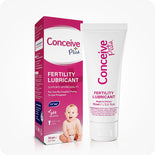
Conceive Plus fertility lubricant was specifically developed by physicians to address the problem of lubricant-induced sperm damage in couples trying to conceive. It is the only fertility lubricant to contain added calcium and magnesium ions — trace minerals that play specific and important roles in sperm function.
The Role of Calcium and Magnesium Ions
Calcium ions are essential for the acrosome reaction — the release of enzymes from the sperm head that allows it to penetrate and fertilise the egg. Magnesium supports sperm motility by contributing to ATP-dependent flagellar movement. Fertile cervical mucus naturally contains these ions; Conceive Plus replicates this composition in its lubricant, providing a biologically supportive medium for sperm transport rather than simply a neutral one.
Clinical Data and Regulatory Clearance
Conceive Plus has been tested in multiple independent clinical studies. In vitro testing confirms no significant negative impact on sperm motility, morphology, or DNA integrity at the concentrations used during intercourse. Conceive Plus is FDA-cleared as a Class II medical device in the United States and CE-marked in Europe — regulatory clearances that reflect independent verification of its safety claims.
In a controlled study comparing Conceive Plus to other lubricants, Conceive Plus was the only tested lubricant to show no statistically significant reduction in sperm motility after contact, in contrast to significant reductions seen with popular non-fertility lubricants.
pH and Osmolality Profile
Conceive Plus is formulated at a pH of 7.0–7.5 and an osmolality of approximately 300 mOsm/kg — precisely matching the parameters of fertile-quality cervical mucus. This means it does not disrupt the sperm's journey through the reproductive tract; instead, it supplements and supports the natural environment.
Conceive Plus vs Other Fertility Lubricants
Several products are marketed as fertility-friendly lubricants. Here is an objective comparison of the key differentiating factors:
Conceive Plus vs Pre-Seed
Pre-Seed is a well-known fertility lubricant that was among the first to be specifically formulated for the TTC market. Both Conceive Plus and Pre-Seed are pH-balanced and isotonic; both are free from glycerol and parabens. The key differentiator is the addition of calcium and magnesium ions in Conceive Plus, which are absent in Pre-Seed. These ions actively support sperm function — the acrosome reaction and flagellar motility — rather than simply avoiding harm. Conceive Plus is also available in a wider range of formats (individual applicator doses, multi-use tube) and is more widely available internationally, including in India, Hong Kong, and across Asia.
Conceive Plus vs "Natural" Alternatives
Common "natural" lubricant alternatives — coconut oil, olive oil, saliva, egg whites — are often recommended in online TTC communities but are poorly supported by evidence:
- Coconut oil and olive oil: Both impair sperm motility, albeit less severely than glycerol-containing lubricants. Neither is pH-matched to fertile cervical mucus.
- Saliva: Contains enzymes and bacteria that impair sperm motility; osmolality is inappropriate for sperm. Multiple studies confirm that saliva significantly reduces sperm viability.
- Raw egg whites: While pH-appropriate and relatively isotonic, egg whites carry a small risk of bacterial contamination (salmonella) and allergic reaction; clinical testing on sperm motility is limited.
None of these alternatives match the rigorously tested, clinically validated profile of a purpose-built fertility lubricant like Conceive Plus.
Formats and How to Use Conceive Plus
Conceive Plus is available in two primary formats:
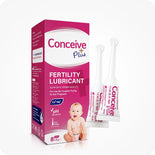
Pre-filled Applicators
Single-use pre-filled applicators are designed for intravaginal insertion, depositing the lubricant directly at the cervical opening — the optimal position for supporting sperm transport. Insert the applicator approximately 15 minutes before intercourse to allow the lubricant to warm to body temperature and coat the cervical canal. This format ensures precise dosing and eliminates contamination risk.
Multi-Use Tube
The tube format allows flexible application — externally, internally, or both. It is more economical for couples who use lubricant frequently and prefer to self-dose. Use the included applicator for internal use or apply externally as preferred.
General usage guidelines:
- Use as needed during the fertile window, or throughout the month as a regular intimate lubricant
- No waiting period or pre-wash required after intercourse
- Compatible with natural rubber latex and polyurethane condoms (though note: conception requires unprotected intercourse)
- Safe for vaginal use throughout the TTC period, pregnancy, and beyond
When Is Lubrication Most Important for TTC Couples?
Using a fertility lubricant matters most during your fertile window — the 5–6 days approaching and including ovulation. During this time, sperm must survive in the reproductive tract, travel through the cervix and uterus, and reach the fallopian tubes where fertilisation occurs. Any lubricant that impairs motility during this critical period reduces the number of sperm capable of reaching the egg.
However, Conceive Plus is safe for use throughout the entire cycle — not just during the fertile window. Many couples find that using a reliable, sperm-safe lubricant year-round removes the stress of remembering to switch products around ovulation.
The Emotional Side: Lubricant and TTC Stress
It is worth acknowledging that the TTC journey can reduce natural lubrication for many couples. Performance pressure, cycle tracking, timed intercourse, and the emotional weight of month after month of trying create stress that directly impairs arousal and natural lubrication. This is not a sign of reduced attraction or intimacy — it is a normal physiological response to sustained psychological pressure.
Using a fertility-safe lubricant removes one barrier and reduces one source of discomfort, allowing couples to focus on connection rather than logistics. Conceive Plus can be a quiet, practical support during one of the more emotionally demanding periods of a couple's life together.
Frequently Asked Questions About Fertility Lubricants
1. Can regular lubricants cause infertility?
Regular lubricants significantly impair sperm motility and viability, which can reduce your chances of conceiving in any given cycle — particularly if used during the fertile window. They do not cause permanent infertility, but their cycle-by-cycle impact is real and measurable.
2. Is Conceive Plus safe to use every time?
Yes. Conceive Plus is formulated for regular use throughout the TTC period and beyond. It is gentle, pH-balanced, and does not disrupt vaginal microflora.
3. Does Conceive Plus increase my chances of getting pregnant?
Conceive Plus does not directly increase fertility, but it removes a significant potential barrier — lubricant-induced sperm damage — and provides a biologically supportive environment for sperm. In couples where lubricant-caused sperm damage was reducing conception chances, this is a meaningful improvement.
4. Can I use Conceive Plus during IUI or IVF cycles?
Consult your fertility clinic. In IUI cycles, lubricant is typically not used around the time of insemination. Conceive Plus has been tested and is considered safe by many fertility clinics, but follow your specific clinic's protocol.
5. What is the difference between Conceive Plus applicators and the tube?
Applicators deliver the lubricant directly to the cervical opening for optimal sperm transport support. The tube format is more flexible and economical for external or flexible internal use. Both contain the same clinically formulated product.
6. Is Conceive Plus safe in early pregnancy?
Yes. Conceive Plus does not contain any compounds that are harmful in early pregnancy. Its pH and osmolality are matched to natural physiological conditions.
7. Can I use Conceive Plus alongside Clomid or letrozole?
Yes. Medications like Clomid (clomiphene citrate) can reduce cervical mucus quantity and quality — a known side effect that makes sperm-friendly lubrication particularly important on ovulation induction cycles. Conceive Plus is an excellent complement to these medications.
8. How is Conceive Plus available in India?
Conceive Plus is available online through conceiveplus.in and through select pharmacy retailers across India. Express delivery is available to major cities.
9. Are there any side effects of using Conceive Plus?
Conceive Plus is very well tolerated. As with any personal care product, a small number of people may experience mild sensitivity to individual ingredients. Discontinue use if irritation occurs and consult a healthcare provider.
10. Does Conceive Plus replace cervical mucus?
Conceive Plus supplements natural cervical mucus rather than replacing it. Women with reduced cervical mucus (due to age, antihistamine use, Clomid side effects, or cervical changes) may find it particularly beneficial as it provides a supportive medium for sperm in the absence of adequate natural mucus.
Make Every Cycle Count with Conceive Plus
When you are trying to conceive, optimising every factor within your control matters. Switching to a clinically formulated fertility lubricant like Conceive Plus is one of the simplest, most affordable, and most evidence-supported steps you can take to protect sperm on their journey to the egg.
Conceive Plus is trusted by fertility specialists and couples worldwide because it is the only fertility lubricant that not only avoids harming sperm but actively supports sperm function with added calcium and magnesium ions. With FDA clearance, CE marking, and independent clinical data, it represents the gold standard in fertility-friendly intimate products.
Whether you are just beginning your TTC journey or have been trying for months, making the switch to Conceive Plus is a positive, proactive step — one small thing you can control in a journey where so much feels out of your hands.
Start your fertility journey with Conceive Plus today.
Shop Conceive Plus →