
Male Fertility Supplements in India: A Science-Based Guide to Improving Sperm Health
Male Fertility Supplements in India: A Science-Based Guide to Improving Sperm Health
Male infertility is a significant and growing concern in India. Approximately 40–50% of infertility cases in couples involve a male factor, yet male fertility continues to receive disproportionately less attention than female fertility in public discourse and healthcare. Recent data from Indian reproductive medicine centres indicate declining sperm counts and quality — consistent with global trends but accelerated by specific local factors including heat exposure, nutritional gaps, environmental pollutants, and high psychosocial stress.
The encouraging reality: sperm health is among the most responsive aspects of fertility to targeted intervention. Men produce new sperm continuously in a cycle of approximately 72–74 days. With the right supplements, dietary changes, and lifestyle adjustments, measurably improved sperm quality is achievable within 3 months.
Understanding Sperm Health Beyond Sperm Count
Standard semen analysis measures sperm count, motility (progressive movement), and morphology (shape). But a comprehensive picture includes sperm DNA fragmentation — damage to genetic material within sperm — not measured in standard analysis but significantly associated with IVF failure and miscarriage. A man can have a "normal" semen analysis and still have high DNA fragmentation, which explains why nutritional interventions focused on reducing oxidative stress (the primary driver of DNA fragmentation) are beneficial even when standard parameters appear normal.
The Oxidative Stress Problem: Central to Indian Male Fertility
Ready to take action? Conceive Plus has supported over 2 million couples worldwide on their fertility journey. Shop the full Conceive Plus range →
Oxidative stress — an imbalance between reactive oxygen species and antioxidant defenses — is the most common underlying mechanism for poor sperm quality. In the Indian context, several common factors elevate oxidative stress in male reproductive tissue:
- Air pollution (India has some of the world's most polluted cities — PM2.5 is linked to sperm DNA fragmentation)
- Heat exposure (occupational heat, hot climate, tight clothing)
- Tobacco and gutka use (direct sperm toxins)
- Pesticide exposure in agricultural communities
- High psychosocial stress (cortisol-driven ROS production)
- Nutritional deficiencies (particularly zinc, selenium, and vitamin C)
Targeted antioxidant supplementation directly addresses this underlying driver of poor sperm quality.
L-Carnitine: The Top Motility Supplement
L-Carnitine is concentrated in the epididymis where sperm mature and acquire the ability to swim. It plays a direct, essential role in sperm motility by transporting fatty acids into sperm mitochondria for ATP energy production. Without adequate L-carnitine, sperm lack the fuel for forward progressive swimming.
A 2012 meta-analysis in the Asian Journal of Andrology found that L-carnitine supplementation (1–3 g/day) significantly improved sperm motility and pregnancy rates in men with poor motility. A 2020 updated systematic review confirmed these findings, noting particular benefit in men with idiopathic infertility. Recommended dose: 1–3 g/day for at least 3 months.
Coenzyme Q10: Power and Protection
CoQ10 powers mitochondrial ATP production (energy for motility) and acts as a potent fat-soluble antioxidant protecting sperm DNA. Multiple RCTs demonstrate significant improvements in sperm concentration, motility, and morphology with 200–300 mg CoQ10 daily over 26 weeks. CoQ10 naturally declines with age and under high oxidative stress — both increasingly relevant for Indian men over 30 trying to conceive.
Zinc: Essential but Often Deficient in Indian Diets
Zinc is essential for testosterone synthesis, spermatogenesis, sperm membrane stability, and antioxidant enzyme function. Zinc deficiency is more prevalent in India than in Western countries, partly due to high phytate content in traditional Indian diets — phytate from whole grains and legumes reduces zinc absorption. Vegetarian and vegan men in India are particularly at risk of marginal zinc status.
Clinical studies consistently show that zinc supplementation in deficient men significantly improves sperm count, motility, and testosterone levels. Choose zinc citrate, picolinate, or glycinate for best absorption. Dose: 15–25 mg/day.
Selenium: Protecting Sperm DNA in Polluted Environments
Selenium is an essential component of glutathione peroxidase — the primary antioxidant enzyme in sperm. For Indian men exposed to high levels of environmental pollutants and heavy metals (which deplete selenium), ensuring adequate selenium intake is particularly important. Best food sources: seafood, Brazil nuts (2 daily provides ~150–200 mcg). Supplemental selenomethionine (organic form) has superior bioavailability. Dose: 100–200 mcg/day.
Ashwagandha: The Ayurvedic Option with Clinical Evidence
Ashwagandha (Withania somnifera) is one of the few traditional Ayurvedic herbs with a meaningful clinical evidence base specifically for male fertility. Several RCTs conducted in India show significant improvements in sperm concentration, motility, and testosterone with standardized ashwagandha extract (300–600 mg KSM-66 or Sensoril daily for 90 days). A 2021 study found 14% improvement in sperm concentration, 57% increase in motility, and significant reductions in cortisol.
Choose products with standardized withanolide content (KSM-66 or Sensoril trademarked extracts) rather than generic root powder. Dose: 300–600 mg standardized extract daily.
Vitamin D for Indian Men
Despite abundant sunlight in India, vitamin D deficiency is common — particularly in urban men working indoors, men with darker skin (reduced cutaneous vitamin D synthesis), and in northern India during winter. Vitamin D supports testosterone production, sperm motility, and morphology. Supplementing with 1000–2000 IU vitamin D3 daily, or testing and supplementing to optimal levels (75–100 nmol/L), is advisable for most Indian men trying to conceive.
The Role of Conceive Plus in an Indian Fertility Protocol
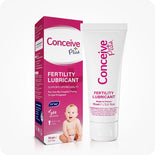
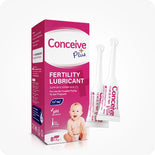
Beyond oral supplementation, the intercourse environment matters. Most lubricants available in India — including commonly used oils, cosmetic products, and coconut oil — are significantly harmful to sperm, reducing motility by 60–100% within 30 minutes. Conceive Plus fertility lubricant is formulated with sperm-safe pH (7.0–7.5), osmolality matching fertile cervical mucus, and calcium and magnesium ions found naturally in reproductive fluids — supporting sperm function rather than impairing it.
Conceive Plus also offers dedicated men's and women's fertility supplements covering L-carnitine, CoQ10, zinc, selenium, vitamin D, and methylfolate. Available in India at conceiveplus.in.
Lifestyle Changes with the Strongest Evidence
Avoid heat exposure: Switch to loose cotton underwear. Manage occupational heat (kitchen workers, factory workers, long-haul drivers) — sperm production requires scrotal temperature ~2°C below core body temperature.
Quit tobacco: Cigarettes, bidis, gutka, khaini — all significantly damage sperm DNA and deplete antioxidant defenses. Quitting tobacco is the highest-yield lifestyle change for most Indian male tobacco users trying to conceive.
Moderate alcohol: Alcohol directly impairs testosterone production. Consider eliminating alcohol during the supplement protocol period.
Exercise moderately: Regular moderate exercise (150+ minutes/week) improves testosterone, reduces obesity-related spermatogenic impairment, and lowers inflammatory markers. Very intense endurance training can paradoxically suppress testosterone — balance is key.
Frequently Asked Questions: Male Fertility Supplements India
How long do male fertility supplements take to work?
Spermatogenesis takes ~72–74 days. Any supplements taken today influence sperm available for conception in 2.5–3 months. Commit to a consistent 3-month protocol minimum before evaluating results through a follow-up semen analysis.
Can fertility supplements help with azoospermia (zero sperm count)?
It depends on the cause. Obstructive azoospermia requires surgical evaluation — not addressable by supplements. Non-obstructive azoospermia may have some supplement-responsive component, but requires specialist evaluation. See a urologist or andrologist — do not rely on supplements alone for azoospermia.
Are Conceive Plus products available across India?
Yes. Conceive Plus products are available online at conceiveplus.in with nationwide delivery.
Does ayurvedic treatment conflict with modern fertility supplements?
Most evidence-based nutrients (CoQ10, zinc, selenium, L-carnitine) don't conflict with standard Ayurvedic approaches. However, some Ayurvedic herbal preparations may affect hormone levels. Inform all practitioners of everything you're taking, and share your complete supplement list with your fertility doctor.
What is the best vegetarian source of sperm-healthy nutrients?
Vegetarians can optimise sperm health through: pumpkin seeds (zinc), Brazil nuts (selenium), walnuts (omega-3), soaked legumes for improved zinc absorption, dairy (zinc, B12), and eggs (selenium, CoQ10). Supplementation is particularly important for vegetarian men to ensure adequate L-carnitine (almost exclusively in meat), CoQ10, zinc, and vitamin B12.
My semen analysis is normal. Can supplements still help?
Yes. Standard semen analysis doesn't measure sperm DNA fragmentation, seminal oxidative stress, or functional parameters. Many couples with unexplained infertility benefit from addressing these unmeasured factors through targeted antioxidant supplementation. The risk of evidence-based supplementation at recommended doses is minimal; the potential benefit is meaningful.
Does riding a motorcycle affect sperm health?
Prolonged vibration from two-wheelers, particularly on rough Indian roads, can impair sperm through heat and mechanical effects. Long-distance daily commuting in India's heat may contribute to elevated scrotal temperature over time. Wear breathable clothing and take breaks on long rides.
Is it safe to take multiple fertility supplements together?
Generally yes, within recommended doses. A quality all-in-one supplement like Conceive Plus Men's reduces complexity. If adding individual supplements (ashwagandha, extra L-carnitine) to an all-in-one formula, check for overlap to avoid excessive doses of individual nutrients.
Conclusion: A Complete Male Fertility Protocol for Indian Men
Male fertility in India is influenced by a unique combination of nutritional patterns, environmental factors, occupational exposures, and lifestyle variables — all addressable through targeted supplementation and lifestyle optimisation. The protocol described here — L-carnitine, CoQ10, zinc, selenium, ashwagandha, vitamin D, and omega-3s — represents the strongest evidence base available for improving sperm quality naturally.
Conceive Plus makes this protocol accessible in India with dedicated men's and women's fertility supplements, plus the fertility lubricant for use during the fertile window. Shop the full Conceive Plus range at conceiveplus.in →
Start your Conceive Plus journey today. Join millions of couples who have trusted Conceive Plus to support their fertility naturally. Explore all Conceive Plus products →