
PCOS and Fertility: How to Improve Your Chances of Conceiving Naturally
PCOS and Fertility: How to Improve Your Chances of Conceiving Naturally
Polycystic ovary syndrome (PCOS) is the most common hormonal disorder affecting women of reproductive age—and in India, it is a major public health concern. Prevalence studies suggest PCOS affects 9–36% of Indian women depending on diagnostic criteria and population studied, making it one of the leading causes of female infertility in the country. If you've been told you have PCOS and want to conceive, this guide gives you the evidence-based strategies to improve your chances.
The most important thing to understand: PCOS fertility challenges are highly manageable. Most women with PCOS can and do conceive—many naturally, with the right interventions. The condition responds remarkably well to diet, lifestyle changes, and targeted supplementation. This comprehensive guide covers everything you need to know about PCOS and fertility, from understanding the condition to the specific interventions that restore ovulation and improve conception outcomes.
Understanding PCOS and How It Affects Fertility
PCOS is characterised by a triad of features (Rotterdam criteria: diagnosis requires 2 of 3):
- Irregular or absent ovulation (oligo/anovulation)
- Clinical or biochemical signs of excess androgens (elevated testosterone, DHEA-S, or clinical signs like acne, hirsutism)
- Polycystic ovarian morphology on ultrasound (≥20 follicles per ovary, or ovarian volume >10mL)
The primary fertility impact of PCOS is through ovulatory dysfunction—irregular or absent ovulation means unpredictable or absent fertile windows. But PCOS also affects fertility through insulin resistance (which drives androgen production), elevated LH:FSH ratio (disrupting follicular development), and potentially compromised egg quality and uterine lining receptivity.
PCOS Subtypes: Why Identifying Yours Matters
Support Your Fertility Journey with Conceive Plus
Conceive Plus offers clinically formulated fertility supplements and fertility-friendly lubricants trusted by couples worldwide. Explore our range to find the right support for your unique journey.
PCOS is heterogeneous—identifying your subtype helps personalise your PCOS fertility strategy:
- Insulin-resistant PCOS: The most common type, particularly in India. Driven by insulin resistance and elevated androgens. Responds strongly to dietary intervention, myo-inositol, and berberine.
- Post-pill PCOS: Temporary hormonal disruption after stopping oral contraceptives. Often resolves within 3–6 months without specific treatment.
- Inflammatory PCOS: Chronic low-grade inflammation drives androgen production. Anti-inflammatory diet and lifestyle are particularly important.
- Adrenal PCOS: Elevated DHEA-S of adrenal origin (rather than ovarian). Stress management and adrenal support are particularly relevant.
Dietary Strategies for PCOS Fertility
Diet is the most powerful non-pharmacological intervention for PCOS—and the most underutilised. The primary goal is reducing insulin resistance and systemic inflammation:
Low Glycaemic Index (GI) Approach
The most evidence-supported dietary pattern for PCOS. Replace refined carbohydrates—white rice, white bread, maida-based foods (roti made from refined flour, biscuits, pastries), sugary drinks—with low-GI alternatives:
- Whole grains: Brown rice, whole wheat roti, bajra, ragi, jowar, oats
- Legumes: Dal (all varieties), rajma, chana, moong—low GI, high protein and fibre
- Vegetables: Non-starchy vegetables at every meal; moderate portions of high-GI vegetables (potato, beetroot)
- Fruits: Choose lower-GI fruits—berries, apples, pears, citrus—over high-GI options like banana, mango, and grapes (which are still fine in moderation)
A 2014 study found low-GI diet reduced fasting insulin by 20% in women with PCOS—a meaningful improvement in the central driver of the condition.
Anti-Inflammatory Indian Foods
Indian culinary traditions include many powerful anti-inflammatory ingredients with specific relevance to PCOS:
- Turmeric (haldi): Curcumin reduces androgen production, improves insulin sensitivity, and has anti-inflammatory effects directly relevant to PCOS. Use liberally in cooking.
- Methi (fenugreek): Improves insulin sensitivity and reduces blood glucose response. Add seeds to dal, vegetables, or soak them overnight and consume the water.
- Karela (bitter gourd): Contains plant insulin-like compounds; effective for blood sugar management. Regular inclusion is beneficial for insulin-resistant PCOS.
- Ginger: Anti-inflammatory; supports digestion and hormone balance.
- Cinnamon: Reduces fasting insulin and improves menstrual regularity in PCOS. 1–2g daily (approximately half a teaspoon) in food or warm water.
Protein Priority
Including protein at every meal reduces post-meal insulin spikes—critical for PCOS management. Good Indian protein sources: all dal varieties, paneer, eggs, curd (yoghurt), chicken, fish, rajma, chana, and soya products.
Evidence-Based Supplements for PCOS Fertility
Myo-Inositol
The most evidence-backed supplement specifically for PCOS fertility. A second messenger in insulin signalling, inositol is frequently depleted in PCOS. Multiple randomised controlled trials show myo-inositol supplementation (4g daily) restores regular ovulation in 75–88% of anovulatory PCOS women, reduces testosterone, improves insulin sensitivity, and achieves pregnancy rates comparable to metformin. The recommended myo-:D-chiro-inositol ratio is 40:1.
Vitamin D
Deficiency is extremely prevalent in India despite sun exposure—darker skin requires more UV for synthesis, indoor work culture is increasingly common, and urban pollution reduces effective UV. Low vitamin D directly worsens insulin resistance in PCOS. Supplementation (2000–4000 IU daily, adjusted to blood levels) improves menstrual regularity and ovulation frequency. Test your 25-OH vitamin D and target 50–80 ng/mL.
N-Acetyl Cysteine (NAC)
A glutathione precursor with insulin-sensitising properties comparable to metformin in some clinical studies. A 2021 systematic review found NAC significantly improved ovulation rates, pregnancy rates, and hormonal parameters in PCOS. Particularly valuable for inflammatory and insulin-resistant PCOS subtypes.
Omega-3 Fatty Acids
Reduces testosterone and LH in PCOS while improving insulin sensitivity, reducing inflammatory markers, and improving menstrual regularity. Most Indian diets are relatively omega-3 deficient—supplementation addresses a genuine nutritional gap. Include fatty fish (mackerel, sardines, salmon), walnuts, and flaxseed in diet alongside supplementation.
Berberine
Demonstrates insulin-sensitising effects comparable to metformin in multiple head-to-head trials, with additional benefits on SHBG, testosterone, and menstrual regularity. Increasingly used in PCOS management as a natural option. Typical dose: 1500mg daily in divided doses with meals.
Chromium Picolinate
Enhances insulin receptor sensitivity and has demonstrated improvements in fasting glucose, insulin, and testosterone in PCOS. Typical dose: 200–1000 mcg/day.
Weight and Exercise for PCOS Fertility
For overweight women with PCOS: even 5–10% weight loss produces dramatic hormonal improvements—reduced testosterone, improved insulin sensitivity, and restoration of ovulation in 55–100% of previously anovulatory women. This is one of the most powerful single interventions for PCOS fertility.
For normal-weight PCOS: the condition is equally real. Focus on insulin sensitisation, anti-inflammatory diet, and targeted supplementation rather than weight loss.
Exercise prescription for PCOS: resistance training (weights, bodyweight exercises) is particularly beneficial—increases muscle mass, improves insulin sensitivity, reduces androgens. Combine with moderate cardio (walking, cycling, swimming) for 150–180 minutes/week total. Avoid excessive high-intensity exercise without adequate recovery, which can elevate cortisol and worsen hormonal imbalance.
Cervical Mucus in PCOS: An Often-Overlooked Factor
PCOS hormonal disruption—elevated androgens and oestrogen fluctuations from anovulatory cycles—frequently compromises cervical mucus quality. Adequate fertile-quality cervical mucus is essential for sperm survival and transport through the reproductive tract. Women with PCOS may produce insufficient or hostile cervical mucus, particularly during the irregular periovulatory periods characteristic of the condition.
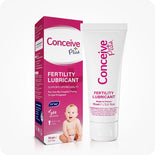
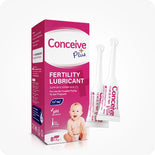
Conceive Plus fertility lubricant is formulated to supplement natural cervical mucus—pH-balanced to match the fertile reproductive environment and enriched with calcium and magnesium ions that support sperm function. It's particularly useful for women with PCOS who may have compromised cervical mucus as part of their hormonal picture.
Medical Treatments for PCOS-Related Infertility
When lifestyle and supplement interventions need support, evidence-based medical options include:
- Letrozole: Now first-line for ovulation induction in PCOS; superior to clomiphene for live birth rates per the NEJM landmark trial
- Clomiphene citrate: Traditional ovulation induction; effective but with anti-oestrogenic effects on endometrium
- Metformin: Insulin sensitiser widely used in India for PCOS; improves ovulation rates, particularly when combined with letrozole
- Gonadotropin injections: For non-responders to oral agents; require careful monitoring
- IVF: When other methods fail; women with PCOS need careful stimulation protocols to avoid OHSS
FAQ: PCOS and Fertility
Q: Can I get pregnant naturally with PCOS?
A: Yes—most women with PCOS who want to conceive do so, often naturally with lifestyle and supplement intervention. Ovulation can frequently be restored without pharmaceutical treatment.
Q: How do I know if I'm ovulating with PCOS?
A: LH ovulation tests (OPKs), used daily from cycle day 8–10, can detect the LH surge even with irregular cycles. A progesterone blood test 7 days after suspected ovulation confirms whether ovulation occurred.
Q: How long does myo-inositol take to work for PCOS?
A: Most studies show measurable hormonal and ovulatory improvements within 3–6 months of consistent myo-inositol supplementation. Some women notice cycle improvements within 1–2 months.
Q: Does PCOS cause miscarriage?
A: PCOS is associated with higher miscarriage risk, potentially due to elevated LH, insulin resistance, and egg quality factors. Optimising hormonal balance through lifestyle and supplementation before conception may reduce this risk.
Q: Are there specific Indian foods that help PCOS fertility?
A: Yes—methi seeds (improve insulin sensitivity), karela (blood sugar regulation), turmeric (reduces androgens and inflammation), cinnamon (reduces fasting insulin), amla (antioxidant), all dal varieties (low GI, high folate), ragi and bajra (low GI whole grains), and green tea.
Q: Should my husband be evaluated if I have PCOS?
A: Yes—a baseline semen analysis eliminates or identifies a concurrent male factor, which is present in up to 50% of infertile couples. Focusing exclusively on PCOS while an undiagnosed male factor is present delays appropriate treatment.
Q: How does PCOS affect IVF success?
A: Women with PCOS typically produce more eggs per IVF cycle (high antral follicle count) and have good numerical outcomes, though egg quality may be variable. Pregnancy rates from IVF are generally comparable to other diagnoses, but OHSS risk requires careful stimulation protocols.
Q: Is metformin safe to take when trying to conceive?
A: Metformin has a strong safety record and is commonly used in PCOS fertility management. Many practitioners continue it into the first trimester. Always follow your doctor's individualised guidance.
Q: Can PCOS improve with age?
A: Androgen levels and insulin resistance often improve somewhat in the late 30s. However, fertility declines with age—don't delay addressing PCOS if conception is a goal.
Ready to Take the Next Step?
Join thousands of couples who trust Conceive Plus on their path to parenthood. Scientifically formulated, doctor-recommended, and designed for every stage of your fertility journey.