
PCOS and Fertility: A Comprehensive Guide to Conceiving with Polycystic Ovary Syndrome
PCOS and Fertility: A Comprehensive Guide to Conceiving with Polycystic Ovary Syndrome
Polycystic ovary syndrome (PCOS) is the most common hormonal disorder affecting women of reproductive age, diagnosed in approximately 8–13% of women worldwide. In India, prevalence estimates range from 9–22% depending on diagnostic criteria used—making it a leading reproductive health concern across the country.
PCOS is also the most common cause of anovulatory infertility—infertility caused by irregular or absent ovulation. Yet despite being so prevalent, PCOS is widely misunderstood, underdiagnosed, and inadequately managed. Many women live with its effects for years before receiving a diagnosis, and many more receive a PCOS diagnosis without a comprehensive discussion of what it means for their fertility—and what they can do about it.
The most important thing to understand about PCOS and fertility: it is treatable. The vast majority of women with PCOS can and do conceive, often with relatively modest interventions once properly managed. This guide provides the comprehensive information every woman with PCOS deserves.
What Is PCOS? Understanding the Syndrome
PCOS is defined by the presence of at least two of three features (Rotterdam criteria, 2003):
- Oligo-ovulation or anovulation: Irregular, infrequent, or absent ovulation, typically manifesting as irregular menstrual cycles (cycle length <21 or >35 days, or fewer than 9 cycles per year)
- Hyperandrogenism: Clinical signs of excess androgens (male hormones)—acne, hirsutism (excess facial/body hair), or male-pattern hair thinning—or biochemical evidence (elevated free testosterone, DHEA-S)
- Polycystic ovaries: Ultrasound showing ≥20 follicles per ovary or total ovarian volume >10mL in either ovary (in the absence of a dominant follicle or corpus luteum)
PCOS is not a single disease but a syndrome—a collection of features with shared underlying mechanisms but variable expression between individuals. Not all women with PCOS have all three features; not all have ovarian cysts despite the name; and the syndrome exists on a spectrum from mild to severe.
The Hormonal Chaos of PCOS
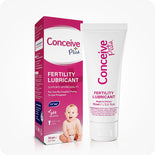
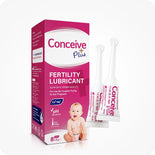
Conceive Plus India — Supporting PCOS Fertility
Fertility lubricant and supplements designed for women with PCOS, available in India now.
Shop Conceive Plus India →PCOS begins—at least in most cases—with insulin resistance: the body's cells become less responsive to insulin, requiring the pancreas to produce more insulin to maintain normal blood glucose. Excess insulin then acts on the ovaries to:
- Stimulate excess androgen (testosterone, DHEA) production by theca cells
- Suppress sex hormone-binding globulin (SHBG), increasing free testosterone
- Amplify LH's androgenic stimulation of the ovaries
Excess androgens disrupt the normal follicle development process, arresting multiple small follicles at an early stage (creating the "polycystic" appearance on ultrasound) and preventing the selection and maturation of a single dominant follicle that would normally trigger ovulation.
Additionally, elevated LH levels (typically with a high LH:FSH ratio) further disrupt follicle development and can impair egg quality even when ovulation eventually occurs.
PCOS and Conception: The Fertility Impact
PCOS affects fertility through several mechanisms:
Irregular Ovulation
The most direct fertility impact. Women with PCOS may ovulate rarely, unpredictably, or not at all. Without regular ovulation, conception is impossible in that cycle. Identifying and predicting ovulation is significantly more challenging with PCOS than with regular cycles.
Egg Quality
Even when ovulation occurs, eggs from women with PCOS may have compromised quality due to the hyperandrogenic, hyperinsulinaemic follicular environment. Studies show higher rates of chromosomal abnormalities and lower fertilisation rates in PCOS oocytes compared to controls.
Endometrial Receptivity
The uterine lining in women with PCOS may have impaired receptivity for implantation due to altered gene expression under hyperinsulinaemia and hyperandrogenaemia. This can contribute to early implantation failure and early miscarriage.
Elevated Miscarriage Risk
Women with PCOS have a higher rate of miscarriage than the general population—approximately 30–50% vs 10–15% in natural conception cycles. Contributing factors include egg quality issues, endometrial abnormalities, elevated LH, and metabolic factors.
Cervical Mucus Changes
Hormonal imbalance in PCOS can affect the quality and quantity of cervical mucus, which is essential for sperm transport and survival. Some women with PCOS notice consistently poor or absent cervical mucus during the cycle, which can impede natural conception.
Step-by-Step: PCOS Fertility Management
Step 1: Confirm the Diagnosis
Not all irregular cycles are PCOS, and not all PCOS looks the same. A proper diagnosis requires ruling out thyroid disorders, hyperprolactinaemia, congenital adrenal hyperplasia, and other causes of irregular cycles or hyperandrogenism. Blood tests (LH, FSH, testosterone, DHEA-S, prolactin, thyroid, fasting insulin, glucose), pelvic ultrasound, and clinical assessment by a gynaecologist or endocrinologist are all part of a thorough diagnostic work-up.
Step 2: Metabolic Optimisation
Since insulin resistance drives most PCOS pathology, addressing it is the most powerful treatment strategy. For women with overweight or obesity (a majority of PCOS cases, though lean PCOS is also common), even 5–10% weight loss significantly reduces insulin resistance, lowers androgen levels, and restores ovulation in many women.
Diet strategies with the strongest evidence for PCOS:
- Low-glycaemic index (GI) diet: Replacing refined carbohydrates with low-GI alternatives reduces insulin spikes and lowers androgen production
- Mediterranean diet: Anti-inflammatory, low-GI, high in fibre and healthy fats—associated with improved insulin sensitivity and reduced androgen levels in PCOS
- Adequate protein: High-protein diets support satiety and stable blood glucose without spiking insulin
- Reducing ultra-processed foods: These drive insulin resistance through multiple mechanisms—refined carbohydrates, trans fats, and chronic inflammation
Step 3: Inositol Supplementation
Myo-inositol and d-chiro-inositol are perhaps the most important supplements for PCOS fertility. They function as secondary messengers in insulin signalling pathways, effectively improving insulin sensitivity at the cellular level. Multiple meta-analyses confirm that the combination of myo-inositol (2g) and d-chiro-inositol (50mg) twice daily:
- Restores regular ovulation in 50–70% of women with PCOS
- Reduces LH levels and LH:FSH ratio
- Lowers androgen levels (testosterone, DHEA)
- Improves egg quality
- Reduces miscarriage rates in PCOS pregnancies
- Is as effective as metformin in some studies, without gastrointestinal side effects
Inositol is arguably the supplement with the strongest evidence base specifically for PCOS fertility, and is increasingly recommended as a first-line intervention even by conventional fertility specialists in India and internationally.
Step 4: Ovulation Tracking for PCOS
Standard ovulation tracking is complicated by PCOS, but not impossible. Key considerations:
- Standard OPK strips are unreliable in PCOS because baseline LH may already be elevated—producing false positives or confusing LH patterns
- Quantitative OPKs (like Mira) that track the LH curve rather than a threshold are more useful—they show whether LH is rising, peaking, and falling (indicating a true ovulatory surge)
- BBT charting confirms ovulation retrospectively but cannot predict it in irregular cycles
- Cervical mucus observation is valid for PCOS, with egg-white cervical mucus indicating approaching ovulation regardless of cycle length
- Ultrasound follicle monitoring is the gold standard for PCOS—a fertility specialist can track a dominant follicle to maturity and confirm ovulation via transvaginal ultrasound
Step 5: Fertility Lubricant for PCOS
Women with PCOS may experience reduced cervical mucus production due to hormonal imbalance. This creates a practical problem: without adequate natural lubrication, intercourse can be uncomfortable, and sperm may have difficulty transporting through the cervix.
Conceive Plus fertility lubricant addresses this specifically. Unlike standard lubricants that harm sperm and further compromise an already-challenging fertility environment, Conceive Plus:
- Contains physiological calcium (Ca²⁺) and magnesium (Mg²⁺) ions that mimic fertile cervical mucus
- Maintains pH 7.0–7.2—optimal for sperm survival in the absence of natural mucus
- Is isotonic to sperm and vaginal tissue, preventing dehydration and cellular stress
- Is free from glycerol, parabens, and spermicidal ingredients
- Is FDA-cleared specifically for couples trying to conceive
For women with PCOS, Conceive Plus doesn't just provide comfort—it provides a scientifically appropriate replacement for cervical mucus that may be absent or inadequate due to hormonal disruption.
Step 6: Medical Ovulation Induction
If lifestyle, inositol, and tracking interventions haven't resulted in conception after 6–12 months of well-timed intercourse, medical ovulation induction is the next step:
- Letrozole (Femara): An aromatase inhibitor now recommended as first-line ovulation induction in PCOS over clomifene citrate (Clomid), based on landmark trial evidence showing higher ovulation and live birth rates. Typically prescribed at 2.5–7.5mg on days 2–6 of the cycle.
- Clomifene citrate (Clomid): An oestrogen receptor modulator that has been used for decades in PCOS. Still widely used, though letrozole has largely replaced it as first-line due to better outcomes and a lower multiple pregnancy rate.
- Metformin: An insulin sensitiser that can restore ovulation in PCOS. Often combined with letrozole or clomifene in insulin-resistant PCOS, particularly in India where metformin use is common in gynaecological practice.
- Gonadotropin injections: FSH injections for women who don't respond to oral agents. Require careful monitoring to avoid ovarian hyperstimulation syndrome (OHSS) and multiple pregnancy.
- Laparoscopic ovarian drilling (LOD): Surgical treatment that destroys androgen-producing ovarian tissue. Can restore regular ovulation for 12–18 months in suitable candidates and may be particularly useful where access to ovulation induction monitoring is limited.
Step 7: IVF for PCOS
IVF is indicated when other interventions have failed or when there are additional factors (tubal disease, severe male factor). Women with PCOS respond strongly to ovarian stimulation—sometimes too strongly. OHSS is a significant risk; protocols using antagonist suppression, lower gonadotropin doses, and GnRH agonist trigger are standard to minimise OHSS in PCOS. Elective frozen embryo transfer (freeze-all strategy) is often preferred in PCOS to allow OHSS to resolve before transfer in a subsequent cycle.
PCOS, Miscarriage, and Pregnancy Complications
PCOS is associated with elevated pregnancy risks that extend beyond the conception phase:
- Miscarriage: 30–50% rate in natural conceptions vs 10–15% general population. Inositol, metformin continuation into early pregnancy, and progesterone support are all investigated strategies for reducing miscarriage risk in PCOS.
- Gestational diabetes: PCOS is a major risk factor. The same insulin resistance that drove infertility predisposes to GDM in pregnancy. Lifestyle management and early glucose monitoring are essential.
- Preeclampsia: Risk is elevated in PCOS pregnancies, particularly with obesity.
- Preterm birth: Modest increase in risk, partly related to multiple pregnancy rates from ovulation induction treatment.
Awareness of these risks enables appropriate monitoring and early intervention—transforming them from surprises into manageable considerations.
Frequently Asked Questions: PCOS and Fertility
Q1: Can I get pregnant naturally with PCOS?
Yes. Many women with PCOS do ovulate occasionally, and with accurate identification of those ovulatory cycles, natural conception is possible. Even women with infrequent ovulation can conceive—the key is identifying when ovulation is occurring and maximising timing in those cycles.
Q2: How long should I try naturally before seeking medical help?
Given the irregular ovulation in PCOS, the standard 12-month guideline for natural conception attempts doesn't apply well. Most fertility specialists recommend evaluation and consultation for PCOS patients after 6 months of trying without success, or sooner if cycles are very irregular or ovulation is confirmed absent.
Q3: Does PCOS get better with age?
Some features of PCOS—particularly metabolic aspects—may worsen without intervention, while certain androgen-related symptoms may improve after 40. However, ovarian reserve also declines with age, making early fertility treatment preferable to waiting for age to "fix" PCOS. Fertility evaluation and management should not be postponed in PCOS patients.
Q4: Should I take metformin for PCOS fertility?
Metformin is widely used in India for PCOS, and there is evidence supporting its use for ovulation restoration in insulin-resistant PCOS. However, letrozole combined with metformin outperforms metformin alone for ovulation induction. Discuss with your specialist whether metformin is appropriate for your phenotype.
Q5: Can inositol replace metformin for PCOS fertility?
Inositol shows comparable efficacy to metformin for insulin sensitisation and ovulation restoration in PCOS, with a significantly better tolerability profile. Many specialists now recommend inositol as a first-line option before considering metformin, particularly for women who cannot tolerate metformin's gastrointestinal side effects.
Q6: Is Conceive Plus lubricant safe for women with PCOS?
Yes—and it's particularly relevant for PCOS. Women with PCOS may have reduced cervical mucus production, making Conceive Plus's mucus-mimicking formulation especially valuable. It's free from all ingredients that could further disrupt an already-challenged hormonal and vaginal environment.
Q7: Does PCOS cause pain during intercourse?
PCOS itself doesn't directly cause dyspareunia, but reduced cervical mucus and vaginal dryness (related to hormonal imbalance) can make intercourse uncomfortable. Conceive Plus fertility lubricant provides appropriate lubrication without the sperm-harming properties of standard products.
Q8: What tests should I have for PCOS-related infertility?
A comprehensive evaluation includes: basal hormone panel (LH, FSH, AMH, testosterone, DHEA-S, prolactin, thyroid, cortisol), fasting glucose and insulin, pelvic ultrasound, semen analysis for your partner, and potentially fallopian tube assessment if other factors are suspected.
Q9: Will PCOS affect my baby?
PCOS pregnancies carry elevated risks (gestational diabetes, preeclampsia, preterm birth) that are largely manageable with appropriate monitoring. Babies born to PCOS mothers are not at increased risk of birth defects. There is emerging evidence that some PCOS traits may have a heritable component, but this should not discourage conception—it should inform monitoring of daughters in adolescence.
Q10: How does the Indian diet relate to PCOS?
Traditional Indian diets high in refined carbohydrates (white rice, maida), sweets, and fried foods can exacerbate insulin resistance in PCOS. A transition toward lower-GI carbohydrates (whole grains, legumes, millets like ragi and jowar), more vegetables, and lean protein—while retaining the beneficial elements of traditional South Asian cuisine (spices like turmeric and cinnamon have anti-inflammatory evidence)—supports PCOS fertility management effectively.
Conclusion: PCOS Is Not a Fertility Death Sentence
PCOS is challenging, but it is among the most treatable causes of infertility. With accurate diagnosis, metabolic management, appropriate supplementation (particularly inositol), careful ovulation tracking, and medical support when needed, the vast majority of women with PCOS achieve their dream of parenthood.
Support every conception attempt with Conceive Plus fertility lubricant—providing the cervical mucus support that PCOS may have compromised, without adding any further obstacles to the sperm's journey.
You are not defined by your PCOS. You are defined by the steps you take to address it.
Conceive Plus India — Supporting PCOS Fertility
Fertility lubricant and supplements designed for women with PCOS, available in India now.
Shop Conceive Plus India →