
The Two Week Wait After Ovulation: A Complete Guide to Surviving and Thriving During the Most Challenging Phase of TTC
What Is the Two Week Wait and Why Is It So Challenging?
The two week wait (TWW) is the period between ovulation and the expected start of your next period — approximately 10 to 14 days when you’re waiting to find out if conception has occurred. For anyone trying to conceive, this is often the most emotionally intense phase of the entire cycle.
Biologically, the TWW corresponds to the luteal phase of the menstrual cycle. After ovulation, the ruptured follicle transforms into the corpus luteum, which produces progesterone to thicken the endometrial lining in preparation for implantation. If implantation occurs, the developing embryo begins producing human chorionic gonadotropin (hCG), the hormone detected by pregnancy tests.
What makes the TWW particularly difficult is the combination of hormonal, emotional, and psychological factors. Progesterone, which rises after ovulation, can cause symptoms that closely mimic early pregnancy — breast tenderness, bloating, fatigue, and mood changes — making it nearly impossible to distinguish between “pregnancy symptoms” and normal post-ovulatory changes.
A survey published in Reproductive BioMedicine Online found that 72% of women trying to conceive experienced significant anxiety during the TWW, with the highest stress levels occurring on days 10–12 post-ovulation — the days just before a pregnancy test would be reliable.
Early Pregnancy Symptoms vs PMS: What’s Real and What’s Unreliable
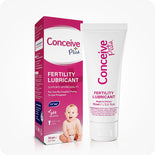
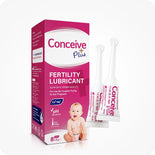
Support Your Fertility Journey with Conceive Plus Fertility Lubricant
Every step of your conception journey deserves the right support. Shop Conceive Plus Fertility Lubricant →
Support Your Fertility Journey with Conceive Plus Fertility Lubricant
Every step of your conception journey deserves the right support. Shop Conceive Plus Fertility Lubricant →
One of the most frustrating aspects of the TWW is the unreliability of early pregnancy symptoms. The symptoms of early pregnancy and premenstrual syndrome (PMS) are caused by the same hormone — progesterone — making them virtually identical. This is why symptom spotting is notoriously unreliable and a major source of TWW stress.
Common symptoms that occur in both pregnancy and PMS include: breast tenderness, fatigue, bloating, mood swings, nausea, food cravings or aversions, headaches, and mild cramping. Even implantation bleeding — often described as light spotting around 6–12 days after ovulation — occurs in only about 25% of pregnancies and can be mistaken for the start of a period.
The most reliable early pregnancy symptoms — such as nausea that persists beyond the first weeks, extreme fatigue, and breast changes that continue to intensify rather than subsiding — typically don’t begin until after a missed period, when hCG levels are higher. Before your missed period, symptom checking is essentially guessing.
The bottom line: trust your pregnancy test, not your symptoms. A high-quality early detection test can reliably detect pregnancy from the day of your missed period, and some may show a positive result 1–2 days before. Testing earlier than that risks false negatives and unnecessary disappointment.
When and How to Take a Pregnancy Test for Accurate Results
Timing your pregnancy test correctly is one of the most practical skills for surviving the TWW. The hormone hCG doubles approximately every 48–72 hours in early pregnancy, so testing too early may yield a false negative even if conception has occurred.
Testing Timeline: The most reliable time to test is the day of your missed period (approximately 14 DPO for a standard 28-day cycle). Early detection tests may show a positive result as early as 10–12 DPO, but the accuracy increases significantly after 12 DPO. Testing before 10 DPO has a high rate of false negatives.
Best Practices: Use first morning urine, when hCG concentration is highest. Avoid excessive fluid intake before testing, which can dilute urine samples. Follow the test instructions exactly, including the reading window — looking too early or too late can produce inaccurate results. If you get a negative result but your period doesn’t arrive, wait 2–3 days and test again.
Coping Strategies for the Two Week Wait
Managing the emotional intensity of the TWW requires intentional strategies. The goal is not to stop thinking about it entirely — that’s unrealistic — but to reduce the emotional rollercoaster so that the waiting period is survivable and doesn’t dominate your daily life.
Stay Busy, But Gently: Plan activities that engage your mind without adding stress. Gentle exercise (walks, yoga, swimming), creative hobbies, social plans with trusted friends, and work projects can all provide healthy distraction. The key is to stay occupied without overextending yourself.
Limit Online Research: The TWW is when most women spend hours Googling “symptom spotting” and browsing fertility forums. Set a boundary — perhaps 15 minutes per day for online fertility browsing — to prevent the information spiral from consuming your mental energy.
Practice Mindfulness: Research from the University of California, San Francisco found that women who practised daily 10-minute mindfulness exercises during the TWW had significantly lower cortisol levels and reported less anxiety compared to a control group. Simple practices like deep breathing, body scans, or guided fertility meditations can help ground you in the present moment rather than obsessing over the unknown.
The Role of Fertility Lubricant During the Two Week Wait
While the TWW is primarily about waiting to see if conception occurred, the quality of the sperm reaching the egg during the fertile window matters enormously. This is where choosing the right fertility product during the week leading up to ovulation can make a real difference.
Many couples don’t realise that standard commercial lubricants can impair sperm motility by up to 100% in laboratory testing. If you used a lubricant during the fertile window, its composition may have affected the sperm’s ability to reach the egg. A fertility-friendly lubricant removes this variable, giving sperm the best possible environment to complete their journey.
Knowing you did everything right — including using a clinically tested, sperm-friendly lubricant — can itself reduce anxiety during the TWW. You cannot control the outcome, but you can control the quality of the tools you used.
How Partners Can Support Each Other During the TWW
The emotional weight of the TWW often falls disproportionately on the woman, but it’s important to remember that this is a shared journey. Partners who actively support each other through the waiting period report stronger relationships and better emotional outcomes regardless of the result.
For the non-carrying partner: ask what kind of support your partner wants. Some women want their partner to share in the excitement and hope; others prefer not to discuss it until test day. Don’t assume — ask. Simple gestures like taking over a household chore, planning a distraction, or just acknowledging how hard the wait is can be deeply meaningful.
Plan for both outcomes together. Discuss how you’ll celebrate if the news is positive, and how you’ll support each other if it isn’t. Having a plan for both scenarios reduces the shock of disappointment and ensures you’re a team regardless of the result.
Ready to Take the Next Step?
Trusted by thousands of couples worldwide, Conceive Plus Fertility Lubricant is designed to work with your body — not against it. Explore the full range of Conceive Plus products tailored to your unique fertility journey.
Frequently Asked Questions About the Two Week Wait
Ready to Take the Next Step?
Trusted by thousands of couples worldwide, Conceive Plus Fertility Lubricant is designed to work with your body — not against it. Explore the full range of Conceive Plus products tailored to your unique fertility journey.
Q: Can I do anything to increase implantation chances during the TWW?
A: While there’s no proven way to force implantation, maintaining a healthy lifestyle — moderate activity, good nutrition, stress management — supports your body’s optimal function. Avoid alcohol, excessive caffeine, and extreme exercise during this time.
Q: Should I take a pregnancy test early?
A: It’s generally recommended to wait until the day of your missed period. Early testing often leads to false negatives and added stress. If you must test early, use an early-detection test and manage your expectations.
Q: Is spotting during the TWW a good sign?
A: Spotting can be a sign of implantation, but it can also occur for many other reasons. Don’t read too much into it — wait for a pregnancy test for confirmation.
Q: Can stress during the TWW prevent implantation?
A: While extreme stress can theoretically affect hormonal balance, normal TWW anxiety is unlikely to prevent implantation. Be kind to yourself and don’t add guilt to the emotional load.
Q: Does the two week wait feel different for everyone?
A: Yes. Every woman’s experience is unique, and every cycle can feel different. There’s no “right” way to feel during the TWW.
Q: Should I avoid exercise during the TWW?
A: Moderate exercise is beneficial during the TWW. It helps manage stress and supports blood flow. Avoid extreme high-intensity workouts, but walking, yoga, and swimming are excellent.
Q: Can I use a fertility lubricant after ovulation?
A: During the TWW (after the fertile window), you don’t need a fertility lubricant. It’s most important to use it during the 5–6 days leading up to and including ovulation.
Q: Is it normal to cry more during the TWW?
A: Yes. Progesterone rises significantly after ovulation, and many women experience heightened emotional sensitivity. It’s a normal hormonal response, not a character flaw.
Q: How can I distract myself during the TWW?
A: Plan activities you genuinely enjoy: start a new book or show, try a new recipe, meet friends, pursue a hobby, plan a weekend outing. The goal is healthy engagement, not numbing distraction.
Q: What if I’ve been through many TWW cycles?
A: Multiple TWW cycles can be emotionally exhausting. Consider speaking with a fertility counsellor or therapist. If you’ve been trying for over a year (or 6 months if over 35), it may be time for fertility testing to identify any underlying issues.