
Male Fertility and Lifestyle: How Everyday Habits Shape Sperm Health
Male Fertility and Lifestyle: How Everyday Habits Shape Sperm Health
When couples face difficulties conceiving, attention often turns first to the female partner. Yet male factors contribute to fertility challenges in approximately 40–50% of all cases. More importantly, sperm health is exquisitely sensitive to lifestyle — meaning that many of the factors affecting male fertility are directly within a man's control.
Unlike eggs, which cannot be renewed, sperm are continuously produced in a cycle of approximately 74 days. This means that positive lifestyle changes made today will be reflected in measurably improved sperm quality within three months. Few aspects of reproductive medicine offer such a clear, actionable path from behaviour change to biological outcome.
This comprehensive guide covers the lifestyle factors with the strongest evidence for affecting male fertility — both negatively and positively — and the targeted nutritional support that can amplify the benefits of lifestyle optimisation.
Understanding What Makes Healthy Sperm
A semen analysis assesses sperm across four primary dimensions:
- Count (concentration): Normal reference range ≥16 million sperm per mL. Total count in the ejaculate ≥39 million.
- Motility: Total motility ≥42%; progressive motility (forward-swimming) ≥30%. Motility is critical for sperm to navigate the female reproductive tract and penetrate the egg.
- Morphology: At least 4% of sperm should have normal shape and structure (Kruger strict criteria). Abnormal morphology reduces fertilisation success.
- DNA integrity: Not measured in standard analysis, but increasingly tested — sperm DNA fragmentation index (DFI) below 15–25% is associated with good fertility outcomes; DFI above 30% correlates with reduced natural conception, IVF success, and increased miscarriage risk.
Each of these parameters is influenced by the lifestyle factors discussed below — and the 74-day spermatogenesis timeline means that meaningful improvements in all four dimensions are achievable within a single quarter of consistent change.
Heat and Sperm Health: The Temperature Sensitivity of Sperm Production
Support male fertility with clinically formulated Conceive Plus supplements. Explore the range at conceiveplus.in/collections/fertility-supplements.
Optimal sperm production requires testicular temperature to be approximately 2–4°C below core body temperature — which is why the testes are housed externally in the scrotum. Sustained elevation of testicular temperature significantly impairs spermatogenesis.
Common heat exposures with documented effects on sperm parameters:
- Hot tubs and saunas: Regular use at temperatures above 40°C has been associated with significant, though typically reversible, reductions in sperm count and motility. Studies show recovery within 3–6 months of cessation.
- Laptop use on the lap: Research has shown this can raise scrotal temperature by 2–3°C within 15 minutes of use.
- Tight underwear: Scrotal compression reduces testicular cooling. While the evidence is somewhat mixed, many fertility specialists advise loose-fitting underwear (boxers rather than briefs) when actively trying to conceive.
- Occupational heat exposure: Men working in kitchens, foundries, or other high-heat environments face chronic testicular heat stress with well-documented fertility effects.
- Fever: A single significant fever can transiently impair sperm production, with effects lasting 2–3 months — the duration of one spermatogenesis cycle.
Practical steps: avoid sustained hot tub use during the preconception period; use a desk or stand for laptop work; choose loose-fitting underwear; address fever promptly and allow 3 months for sperm quality recovery afterward.
Smoking and Male Fertility: The Evidence Is Clear
Tobacco smoking is one of the most comprehensively documented lifestyle risk factors for male infertility. Meta-analyses of clinical studies consistently show that men who smoke have:
- 15–20% lower sperm concentration than non-smokers
- Up to 10% lower sperm motility
- Higher rates of abnormal morphology
- Significantly elevated sperm DNA fragmentation
The mechanisms are multiple: tobacco smoke contains thousands of chemicals that generate oxidative stress within the testes, directly damage sperm DNA, disrupt testosterone production, and impair the blood-testis barrier. Interestingly, the effects are dose-dependent — heavier smoking correlates with greater impairment.
The good news is that these effects are largely reversible. Studies following men who quit smoking show meaningful improvements in sperm parameters within one 74-day spermatogenesis cycle, with continued improvement over 3–6 months.
If smoking cessation is being considered specifically for fertility, supplementing with antioxidant nutrients (vitamins C and E, selenium, CoQ10) during the transition period can help counteract the elevated oxidative stress during withdrawal.
Alcohol: How Much Is Too Much?
The relationship between alcohol and male fertility follows a dose-dependent pattern. Moderate alcohol consumption (1–2 units per day) appears to have minimal effects on most sperm parameters. However, heavier or chronic consumption shows consistent negative associations:
- Regular heavy drinking reduces testosterone production by disrupting the hypothalamic-pituitary-testicular axis
- Alcohol is directly toxic to Leydig cells (which produce testosterone) and Sertoli cells (which support sperm development)
- Heavy consumption is associated with lower sperm count, reduced motility, and increased abnormal morphology
- Alcohol increases oxidative stress in the testes — the same mechanism as smoking
Evidence-based guidance for men trying to conceive: limit alcohol to no more than 14 units per week (UK guidance), preferably with several alcohol-free days; and consider abstaining entirely in the 3 months before a scheduled ART cycle.
Weight, BMI, and Male Fertility
Both underweight and obesity are associated with impaired male fertility, but the evidence for obesity is particularly compelling:
- Adipose (fat) tissue converts testosterone to oestradiol via aromatase enzyme activity — in obese men, this can significantly reduce testosterone levels and suppress sperm production
- Obesity increases testicular temperature through scrotal adipose tissue and reduces physical activity
- Obese men show higher rates of sperm DNA fragmentation, lower count, and reduced progressive motility
- Hormonal disruption from obesity — low testosterone, elevated oestrogen, insulin resistance — creates an unfavourable hormonal environment for spermatogenesis
Weight loss in overweight men has been shown to meaningfully improve testosterone levels and sperm parameters — with even modest weight reduction (5–10% of body weight) producing measurable hormonal improvement.
Exercise: How Much, and What Kind?
Regular moderate exercise is associated with improved sperm quality, likely through its effects on testosterone, body composition, oxidative stress, and overall metabolic health. Studies show men who exercise moderately 3–5 times per week have better sperm parameters than sedentary men.
However, extreme exercise presents a different picture:
- Very high-intensity endurance exercise (marathon training, intense cycling for several hours daily) can suppress testosterone and impair sperm production
- Cyclists in particular may experience scrotal compression and heat from bike saddles — a separate concern from exercise volume per se
- Anabolic steroid use for athletic purposes profoundly impairs male fertility, often causing oligospermia or azoospermia (very low or zero sperm count)
For most men, the fertility prescription is straightforward: aim for regular moderate exercise (strength training, swimming, walking, cycling in moderation) and avoid extremes in either direction.
Stress and Male Fertility
Chronic psychological stress activates the HPA (hypothalamic-pituitary-adrenal) axis, elevating cortisol and suppressing the reproductive axis. Research has shown that men with higher stress scores have lower testosterone, lower sperm count, and higher rates of abnormal morphology. A study published in Fertility and Sterility found that men who experienced two or more stressful life events in the year prior to providing a sperm sample had significantly lower sperm motility and morphology.
Evidence-based stress reduction strategies with documented reproductive benefits include mindfulness meditation, regular moderate exercise, adequate sleep (7–9 hours), and social support. Psychological interventions — including CBT for fertility-related anxiety — have shown improvements in hormonal markers of reproductive health.
Nutrition for Male Fertility: Key Nutrients
The dietary pattern most consistently associated with good sperm quality is Mediterranean-style eating: rich in vegetables, fruits, whole grains, legumes, fish, and healthy fats; limited in red and processed meat, refined carbohydrates, and trans fats.
Key individual nutrients with strong evidence for male fertility:
- Zinc: Essential for testosterone synthesis, sperm production, and the acrosome reaction needed for fertilisation. Zinc deficiency is the most common micronutrient deficiency in infertile men.
- Selenium: Antioxidant protection via glutathione peroxidase; structurally incorporated into the sperm flagellum. Low selenium correlates with poor motility and elevated DNA fragmentation.
- CoQ10: Powers sperm midpiece mitochondria; directly supports the forward swimming force. CoQ10 declines with age and is depleted by statin use.
- Vitamin C and E: Antioxidants that protect sperm DNA from oxidative damage. Research shows combined supplementation reduces DNA fragmentation.
- Folate: Supports sperm DNA synthesis and reduces chromosomal abnormalities.
- L-Carnitine: Supports fatty acid oxidation in the sperm midpiece — a secondary energy pathway that supports motility stamina.
- Vitamin D: Low levels are associated with reduced testosterone and poor sperm parameters; supplementation in deficient men improves multiple sperm parameters.
- Omega-3 fatty acids: DHA, found at high concentrations in sperm membranes, supports membrane fluidity essential for fertilisation. Omega-3 supplementation is associated with improved sperm morphology and count.
Conceive Plus men's fertility supplements deliver these nutrients in clinically relevant doses and bioavailable forms. Explore the range at conceiveplus.in/collections/fertility-supplements.
Environmental Toxins and Male Fertility
Endocrine-disrupting chemicals (EDCs) — compounds that interfere with hormonal signalling — are increasingly recognised as contributors to declining sperm quality observed in population studies over recent decades. Common sources include:
- Plastics (BPA, phthalates) — from food containers, plastic bottles, and packaging
- Pesticides — particularly organophosphates in non-organic produce
- Heavy metals (lead, mercury, cadmium) — from occupational exposure, certain fish, and contaminated water
- Personal care products containing parabens and certain UV filters
Practical mitigation strategies include using glass or stainless steel food containers, filtering drinking water, choosing organic produce where feasible, and being mindful of occupational chemical exposures.
Frequently Asked Questions About Male Fertility and Lifestyle
Q: How quickly can lifestyle changes improve sperm quality?
A: Because spermatogenesis takes approximately 74 days, significant improvements are typically measurable after 3 months of consistent changes. Some parameters — particularly motility — may begin improving sooner.
Q: Does pornography or frequent ejaculation affect fertility?
A: Ejaculation frequency affects sperm count per ejaculate but typically not overall reproductive potential for men with normal sperm production. Most fertility guidelines recommend ejaculation every 2–3 days during the fertile window for optimal sperm count and freshness.
Q: Can mobile phone radiation affect sperm quality?
A: Some laboratory studies have raised concerns, but the clinical evidence is inconsistent. As a precaution, avoiding carrying phones in trouser pockets for extended periods is reasonable, though not proven to make a meaningful difference.
Q: Is creatine supplementation safe for men trying to conceive?
A: Standard creatine supplementation (not anabolic steroids) does not appear to impair male fertility. Anabolic steroids, which share no meaningful similarity with creatine, profoundly damage sperm production and should be avoided.
Q: Do lubricants affect sperm quality?
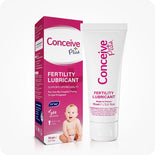
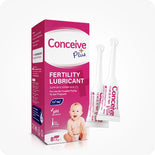
A: Most commercial lubricants are toxic to sperm — they reduce motility and viability on contact. If lubricant is needed during the fertile window, only sperm-friendly formulations should be used. Conceive Plus fertility lubricant is specifically formulated to be compatible with sperm, supporting motility rather than impairing it.
Q: What should men take when trying to conceive?
A: The most evidence-supported supplements for male fertility include zinc, selenium, CoQ10, vitamin C, vitamin E, folate, L-carnitine, and vitamin D. Conceive Plus men's formula combines these in clinically relevant doses. Visit conceiveplus.in/collections/fertility-supplements.
Q: Can male fertility improve at any age?
A: Yes. Unlike female fertility, which is tied to a fixed and declining egg pool, sperm are continuously renewed. Men of any age can improve their sperm quality through lifestyle optimisation and targeted supplementation within the 74-day production cycle.
Q: How important is the male partner's fertility testing?
A: Critical. Male factor infertility contributes to approximately 40–50% of infertility cases. A semen analysis should be among the first tests performed when a couple has difficulty conceiving — it is non-invasive, quick, and provides immediately actionable information.
Conclusion: Lifestyle Choices Have Direct Sperm Consequences
Male fertility is not fixed or inevitable — it is dynamic, responsive, and directly shaped by daily choices. The 74-day spermatogenesis cycle means that positive changes today will be measurable within a quarter. Whether it's quitting smoking, reducing heat exposure, moderating alcohol, exercising regularly, or adding targeted nutritional support, every improvement creates a better environment for sperm to develop, mature, and succeed.
Conceive Plus men's fertility supplements are formulated to support the full range of sperm health parameters — count, motility, morphology, and DNA integrity — through clinically backed nutrient delivery. Explore the range at conceiveplus.in/collections/fertility-supplements and take an active role in your reproductive health today.
Support male fertility with clinically formulated Conceive Plus supplements. Explore the range at conceiveplus.in/collections/fertility-supplements.