
Miscarriage Recovery: Healing Physically and Emotionally Before Your Next Pregnancy in India
Miscarriage Recovery: Healing Physically and Emotionally Before Your Next Pregnancy in India
Pregnancy loss is one of the most painful experiences a person can face — and one of the most common. In India, approximately 1 in 4 recognised pregnancies ends in miscarriage, with the vast majority occurring in the first trimester. Despite its prevalence, miscarriage remains deeply isolating, often under-acknowledged, and poorly supported. This guide aims to provide both factual understanding and genuine support for anyone navigating the aftermath of pregnancy loss.
The Physical Reality of Miscarriage
Miscarriage — the spontaneous loss of a pregnancy before 24 weeks (UK definition) or 20 weeks (US definition) — can be complete (the body expels all pregnancy tissue naturally), incomplete (requiring medical management), or missed (no symptoms despite foetal loss). Management options include expectant (watchful waiting), medical (medication to complete the process), and surgical (ERPC — evacuation of retained products of conception). Your healthcare team will advise on the most appropriate approach based on your specific situation.
Physical Recovery Timeline
Support Your Fertility Journey with Conceive Plus
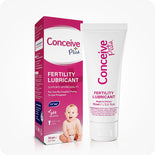
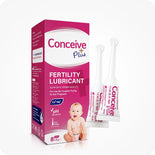
Whether you're just starting out or have been trying for a while, Conceive Plus fertility supplements and sperm-friendly lubricants is scientifically formulated to support your fertility naturally. Designed with scientific precision, our products support every step of your path to parenthood. Explore our full range and find what's right for you.
Physical recovery timelines vary based on gestational age and management type:
- Bleeding: typically 1–2 weeks for an early loss, longer for later losses
- Period return: usually within 4–6 weeks
- Hormonal normalisation: hCG returns to zero within 2–4 weeks; ovulation typically resumes within 4–6 weeks
Most fertility specialists now advise that waiting one natural period before trying again is sufficient for most early miscarriages — and research supports this, showing no increased risk of miscarriage in subsequent pregnancies from conception in the cycle following loss.
Emotional Recovery: Honouring the Grief
Grief after pregnancy loss is real, valid, and individual. There is no timeline, no correct way to feel, and no expectation of when "moving on" should occur. Common emotional responses include profound sadness, shock, guilt (almost universally unwarranted — the vast majority of first-trimester miscarriages result from chromosomal abnormalities beyond anyone's control), anger, anxiety about future pregnancies, and isolation.
Evidence-based emotional support includes:
- Allowing yourself to grieve without minimising the loss
- Sharing your experience with trusted loved ones rather than suffering in silence
- Seeking professional support from a counsellor or therapist specialising in pregnancy loss
- Connecting with peer support communities (Tommy's, Sands, and other India-based organisations)
- Acknowledging the loss meaningfully — a small ritual, a plant, a journal entry
Understanding Recurrent Miscarriage
Recurrent pregnancy loss (RPL) is defined as 3 or more consecutive first-trimester losses, or 2 or more in some updated guidelines. RPL affects approximately 1–2% of couples. When it occurs, investigation is essential:
- Chromosomal testing of both partners (karyotype)
- Antiphospholipid syndrome (APS) — an autoimmune clotting disorder treatable with aspirin + heparin
- Anatomical uterine abnormalities (septum, fibroids, polyps)
- Thyroid function and autoimmunity
- Sperm DNA fragmentation in the male partner
Many couples with RPL find no identified cause — but even without a diagnosis, the prognosis for eventual successful pregnancy is generally positive with supportive care.
Preparing for Your Next Pregnancy
After pregnancy loss, the preparation period before trying again is an opportunity to optimise your body for the next attempt:
- Continue or start a quality prenatal supplement with methylfolate
- Ensure vitamin D levels are optimal
- Consider CoQ10 if over 35
- Eat an anti-inflammatory, nutrient-rich diet
- Ensure male partner addresses sperm DNA fragmentation if relevant
- Seek specialist review if this was a recurrent loss or if you have risk factors
Miscarriage Recovery FAQ
Q1: What caused my miscarriage?
In the majority (approximately 50–70%) of first-trimester miscarriages, chromosomal abnormalities in the embryo are the cause. This is random genetic error — not caused by anything you did or didn't do.
Q2: Did exercise, stress, or sex cause my miscarriage?
No. Normal levels of exercise, stress, and sexual intercourse do not cause miscarriage in healthy pregnancies. These are common but unfounded guilt sources that should be gently set aside.
Q3: When can I try again?
Most guidelines now support trying again after one natural period following an early miscarriage, primarily for cycle dating purposes. Emotionally, only you know when you're ready — there is no rush.
Q4: Will my risk of miscarriage be higher in my next pregnancy?
After one miscarriage, the risk in the next pregnancy is similar to the general population (~15–20%). After two, the risk rises modestly. After three consecutive losses, specialist investigation is warranted.
Q5: Should I have the pregnancy tissue tested?
Testing products of conception (POC) for chromosomal abnormalities can provide answers — knowing the loss was due to a chromosomal error can bring some closure. Discuss with your doctor whether this is available and appropriate in your situation.
Q6: How do I tell people I miscarried?
You have no obligation to share your loss with anyone. Share only with those you trust and choose your words. Many people find a simple "we lost the pregnancy" sufficient; others want to provide more context. Whatever feels right for you is right.
Q7: Is the risk of miscarriage reduced in IVF with genetic testing?
Yes. Preimplantation genetic testing for aneuploidy (PGT-A) screens embryos for chromosomal abnormalities before transfer, selecting only chromosomally normal embryos. This significantly reduces miscarriage risk in IVF cycles — particularly relevant for couples with recurrent miscarriage or advanced maternal age.
Q8: I'm pregnant again after a loss. Why am I not happy?
Pregnancy after loss (PAL) is one of the most psychologically complex experiences. Many people feel not joy but terror — fear of another loss, emotional guardedness, hypervigilance to symptoms. This is entirely normal and does not mean you don't want the pregnancy. Support from a therapist familiar with PAL is invaluable.
You Are Not Alone
Pregnancy loss, despite its prevalence, is rarely spoken about openly. If you've experienced miscarriage, know that your grief is real, your loss is real, and your hope for a future pregnancy is well-founded. Most people who experience miscarriage go on to have successful pregnancies — often with the right support, preparation, and care. You deserve that support, in India and everywhere.
Ready to Take the Next Step?
Conceive Plus has helped thousands of couples on their path to parenthood. Designed with scientific precision, our products support every step of your path to parenthood. Explore Conceive Plus fertility supplements and sperm-friendly lubricants — trusted by healthcare professionals and couples across the world and beyond.