
PCOS and Fertility: How to Conceive Naturally with Polycystic Ovary Syndrome
PCOS and Fertility: How to Conceive Naturally with Polycystic Ovary Syndrome
Polycystic ovary syndrome (PCOS) is one of the most common hormonal disorders in women of reproductive age, affecting 1 in 8 women worldwide — and India has among the highest rates globally, with studies suggesting 20–25% of Indian women may have PCOS. If you have PCOS and want to start a family, this comprehensive guide explains what PCOS means for your fertility and the evidence-based steps you can take.
What Is PCOS and How Does It Affect Fertility?
PCOS is a hormonal disorder characterised by a combination of features including irregular menstrual cycles, elevated androgens (male hormones like testosterone), and polycystic-appearing ovaries on ultrasound. The name can be misleading — most women with PCOS don't have "cysts" in the traditional sense, but rather many small antral follicles that have failed to mature and ovulate.
PCOS affects fertility primarily through anovulation — cycles where ovulation doesn't occur. Without ovulation, pregnancy cannot happen through natural intercourse. However — and this is important — most women with PCOS do ovulate, just irregularly and unpredictably. The goal of PCOS fertility management is to restore regular, predictable ovulation.
PCOS is the leading cause of ovulatory infertility, accounting for approximately 70–80% of cases. This also means it's one of the most treatable causes of infertility — with the right management, most women with PCOS can conceive.
Understanding Your Cycle with PCOS
Ready to Boost Your Fertility?
Thousands of Indian couples trust Conceive Plus. Start your journey today.
Shop Conceive Plus Now →In a typical cycle, the brain signals the ovaries to develop a follicle (via FSH), which matures and ovulates (triggered by LH), releasing an egg. In PCOS:
- The pituitary releases disproportionately high LH relative to FSH
- Elevated LH stimulates androgen (testosterone) production in the ovaries
- Many small follicles begin to develop but none reach full maturity and ovulation
- Insulin resistance (present in 70–80% of women with PCOS) worsens androgen excess
- Cycles become irregular, prolonged, or absent
The key to PCOS fertility is breaking this hormonal cycle — through lifestyle, supplements, and when needed, medication.
Lifestyle Changes That Restore Ovulation in PCOS
For women with PCOS (particularly those who are overweight or have insulin resistance), lifestyle changes are the most powerful first-line intervention for restoring fertility:
Weight Management
Even modest weight loss of 5–10% of body weight in overweight women with PCOS can restore ovulation and significantly improve hormonal parameters. This doesn't require achieving an "ideal" weight — small improvements yield meaningful reproductive benefits. The mechanism is primarily through improved insulin sensitivity, which reduces androgen production.
Low Glycaemic Index (Low-GI) Diet
High-GI foods (white rice, refined grains, sugary foods) spike blood sugar and insulin — worsening PCOS symptoms. A low-GI diet reduces insulin resistance and androgen levels. For Indian women with PCOS, this means:
- Replacing white rice with smaller portions of brown rice, millets (ragi, bajra, jowar), or quinoa
- Choosing whole dals and legumes over refined snacks
- Including non-starchy vegetables generously (sabzi-first approach)
- Limiting sweets, maida-based foods, and processed foods
- Including healthy fats (ghee in moderation, nuts, avocado) to slow glucose absorption
Exercise
Both aerobic exercise and strength training improve insulin sensitivity in PCOS. Studies show that 150 minutes of moderate-intensity exercise per week (brisk walking, yoga, swimming, cycling) reduces testosterone levels and restores ovulation in women with PCOS. Yoga specifically has been shown in Indian research to reduce PCOS symptoms and improve hormonal balance.
Stress Management
Chronic stress elevates cortisol, which worsens insulin resistance and androgen excess in PCOS. The mental health burden of a PCOS diagnosis itself can create a negative cycle. Practices including meditation, pranayama, mindful movement, and adequate sleep are legitimate fertility interventions for women with PCOS.
Supplements for PCOS Fertility
Several supplements have strong evidence for improving ovulation and fertility in PCOS:
Inositol (Myo-Inositol + D-Chiro-Inositol)
Inositol is the most evidence-backed supplement specifically for PCOS fertility. The ovarian follicular fluid of women with PCOS has significantly lower inositol levels than healthy women. Supplementation has been shown to:
- Improve insulin sensitivity in PCOS
- Reduce testosterone and LH levels
- Restore regular ovulation in many women with PCOS
- Improve egg quality in women with PCOS undergoing IVF
- Reduce miscarriage risk in PCOS
The 40:1 ratio of myo-inositol to D-chiro-inositol (2000mg + 50mg twice daily) is widely used in research with strong efficacy data.
Folic Acid
Essential for all women trying to conceive, folic acid is particularly important for women with PCOS who may have elevated homocysteine (associated with insulin resistance). 400–800mcg daily is the standard recommendation.
Vitamin D
Vitamin D deficiency is extremely common in India — paradoxically, despite abundant sunshine, traditional clothing and indoor lifestyles mean many Indian women are deficient. Vitamin D deficiency worsens insulin resistance and PCOS symptoms. Getting tested and supplementing if deficient (most women with PCOS need 1,500–2,000 IU or more daily) can improve ovulation regularity.
Omega-3 Fatty Acids
Omega-3 supplementation reduces testosterone levels and improves cycle regularity in PCOS. It also reduces the cardiovascular risk associated with PCOS. Fish oil (DHA+EPA) or algae-based omega-3 is recommended.
N-Acetyl Cysteine (NAC)
NAC is a precursor to glutathione, the body's master antioxidant. Several studies have compared NAC favourably to metformin for improving insulin sensitivity, restoring ovulation, and improving pregnancy rates in women with PCOS. 600mg three times daily has been used in research.
Ovulation Tracking with PCOS: What You Need to Know
Standard ovulation tracking is more complex with PCOS:
- OPKs may give false positives: PCOS involves chronically elevated LH, which can make OPKs appear positive even without ovulation. If you consistently get dark OPK lines but don't conceive, discuss with your doctor
- BBT charting helps confirm ovulation: A sustained temperature rise (at least 18 days) after a positive OPK confirms ovulation actually occurred
- Progesterone blood test: A serum progesterone test 7 days after suspected ovulation (Day 21 test in a 28-day cycle, adjusted for your cycle) confirms whether ovulation occurred — this is the most reliable method
- Ultrasound follicle tracking: Available at fertility clinics in India and provides the most precise ovulation confirmation — particularly useful when other methods are inconclusive
Using Conceive Plus with PCOS
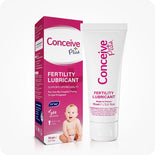
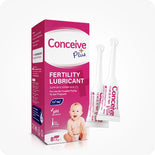
When cervical mucus quality is compromised (which is common in PCOS, where hormonal imbalances affect mucus production), using a fertility-supportive lubricant during intercourse becomes particularly important. Conceive Plus is designed to replicate the ionic composition of fertile cervical mucus — including calcium and magnesium ions — providing a sperm-supportive environment even when natural cervical mucus is suboptimal.
Unlike regular lubricants that damage sperm, Conceive Plus supports sperm motility and function during intercourse. This is especially relevant for women with PCOS who may have fewer days of fertile-quality cervical mucus due to hormonal irregularities. Available in India at conceiveplus.in.
Medical Treatments for PCOS Fertility (When Lifestyle Isn't Enough)
If lifestyle changes and supplements don't restore regular ovulation within 3–6 months, medical options include:
- Letrozole (Femara): Currently the first-line medication for ovulation induction in PCOS — now preferred over clomiphene in most guidelines for superior live birth rates in PCOS
- Clomiphene citrate (Clomid): An older but still widely used option for ovulation induction
- Metformin: Insulin-sensitising medication that can restore ovulation in some women with PCOS, particularly those with marked insulin resistance
- Injectable gonadotrophins: Used in specialist fertility clinics when oral medications fail
- Laparoscopic ovarian drilling: A surgical procedure that can restore regular ovulation in some women with PCOS unresponsive to medications
- IVF: For women who don't respond to other treatments, IVF is highly effective in PCOS — though careful protocol management is needed to avoid ovarian hyperstimulation
Frequently Asked Questions
Can I get pregnant naturally with PCOS?
Yes — many women with PCOS conceive naturally, particularly if they have regular (even if slightly irregular) ovulatory cycles. With lifestyle optimisation and appropriate support, the majority of women with PCOS who want to conceive do so, with or without medical treatment.
How long does it typically take to conceive with PCOS?
This varies widely. Women with PCOS who ovulate regularly may conceive within the same timeframe as women without PCOS. Women with significant anovulation may need 6–12 months of lifestyle intervention and/or medication before achieving successful ovulation and conception. See a fertility specialist if you haven't conceived after 6 months of regular, timed intercourse (or immediately if cycles are very irregular).
Does PCOS cause miscarriage?
PCOS is associated with a moderately increased risk of early miscarriage, possibly related to egg quality issues, insulin resistance effects on the endometrium, and elevated LH. This risk can be reduced through insulin-sensitising measures (lifestyle, inositol, metformin if needed) and adequate progesterone support in early pregnancy if recommended by your doctor.
Is PCOS hereditary?
Yes — PCOS has a significant genetic component and tends to run in families. If your mother or sister has PCOS, your risk is higher. However, the expression of PCOS is strongly influenced by lifestyle and environment — diet, weight, and activity level significantly affect severity.
Can PCOS go away with weight loss?
PCOS doesn't go away, but its symptoms — including irregular cycles and elevated androgens — can improve dramatically with weight loss in overweight women. Some women who lose sufficient weight experience a normalisation of their cycles and hormonal profile, though the underlying PCOS predisposition remains.
What tests should I request if I suspect PCOS?
Ask your gynaecologist for: a transvaginal ultrasound (to assess ovarian morphology), blood tests including LH, FSH, testosterone, DHEA-S, 17-hydroxyprogesterone (to rule out congenital adrenal hyperplasia), prolactin, thyroid function (TSH, T4), fasting insulin and glucose (to assess insulin resistance), and AMH (ovarian reserve marker).
Can men have problems contributing to conception in PCOS couples?
Yes. Male factor infertility is present in roughly 40–50% of all infertile couples regardless of whether the female partner has PCOS. A semen analysis for the male partner should always be part of a fertility work-up — not assumed after a PCOS diagnosis explains the female factor.
Is Conceive Plus available in India?
Yes. Conceive Plus fertility lubricant and supplements are available in India at conceiveplus.in, with delivery across the country.
Start Your Fertility Journey Today
Thousands of couples trust Conceive Plus to support their path to parenthood. Join them and experience the difference clinically backed fertility support can make.
Explore Conceive Plus Products →