
PCOS and Fertility in India: Natural Strategies and Medical Options to Conceive
PCOS and Fertility in India: A Complete Guide to Conceiving With Polycystic Ovary Syndrome
Polycystic ovary syndrome (PCOS) is the most common hormonal disorder affecting women of reproductive age worldwide—and in India, its prevalence is particularly high. Studies estimate that PCOS affects 9–36% of Indian women of reproductive age, with urban populations showing rates at the higher end due to dietary patterns, sedentary lifestyles, and rising rates of insulin resistance.
PCOS is also the single most common cause of anovulatory infertility. But the picture isn't hopeless—far from it. With the right strategy combining lifestyle intervention, medical management, and targeted supplementation, the majority of women with PCOS can conceive.
Understanding PCOS: The Hormonal Mechanism
PCOS is a complex endocrine disorder characterised by at least two of the three Rotterdam criteria:
- Irregular or absent ovulation (oligo/anovulation)
- Clinical or biochemical signs of excess androgens (hyperandrogenism)
- Polycystic ovarian morphology on ultrasound (≥20 antral follicles per ovary, or ovarian volume >10mL)
The underlying hormonal chaos in PCOS involves several interconnected disruptions:
- Insulin resistance: Present in 50–70% of PCOS cases regardless of body weight. High insulin stimulates ovarian androgen production and reduces sex hormone-binding globulin (SHBG), increasing free testosterone levels.
- Elevated LH: Chronic LH elevation—often with an inverted LH:FSH ratio—stimulates androgen production by thecal cells without the FSH-driven follicle maturation needed for ovulation.
- Hyperandrogenism: Excess androgens (testosterone, DHEA-S) disrupt follicle maturation, causing the follicles to arrest before releasing an egg—hence the "polycystic" appearance.
- Inflammation: Low-grade chronic inflammation, common in PCOS, further disrupts insulin signalling and ovarian function.
How PCOS Affects Fertility
The primary fertility impact of PCOS is anovulation—the failure to release an egg during the cycle. Without ovulation, pregnancy is impossible naturally. Many women with PCOS have cycles that appear regular on the outside (every 28–35 days) but are actually anovulatory. Others have clearly irregular cycles with long gaps between periods.
Additional fertility challenges associated with PCOS include:
- Higher rates of early pregnancy loss (miscarriage), possibly related to elevated LH at conception and poor endometrial quality
- Impaired endometrial receptivity due to hormonal imbalance
- Increased risk of gestational diabetes and pregnancy hypertension
- Ovarian hyperstimulation syndrome (OHSS) risk with fertility medications due to high antral follicle count
Lifestyle Interventions: The Cornerstone of PCOS Fertility Treatment
Before any medication, lifestyle modification is the evidence-based first-line treatment for PCOS-related infertility, particularly in women with insulin resistance or excess weight.
Weight Management
In overweight and obese women with PCOS, losing even 5–10% of body weight can restore ovulation and regular menstrual cycles. A landmark study found that 55–90% of overweight anovulatory women with PCOS resumed ovulation after a 5–10% weight reduction.
Dietary Modification
A low-glycaemic index (GI) diet reduces insulin spikes and improves hormonal balance. Practical recommendations for Indian women with PCOS include:
- Replace white rice and white bread with whole grains (brown rice, roti from whole wheat atta, jowar, bajra)
- Include protein at every meal (dal, legumes, eggs, low-fat paneer, chicken/fish) to slow glucose absorption
- Prioritise vegetables, especially non-starchy varieties
- Limit refined sugars, sweets, fruit juices, and sweetened beverages
- Include anti-inflammatory spices: turmeric, cinnamon (shown to improve insulin sensitivity in PCOS), fenugreek seeds
Exercise
Both aerobic exercise (brisk walking, cycling, swimming—150 minutes/week) and resistance training improve insulin sensitivity in PCOS. A 2019 meta-analysis confirmed that exercise interventions significantly improved menstrual regularity, hormonal profiles, and ovulation rates in women with PCOS.
Targeted Supplements for PCOS Fertility
Myo-Inositol
Myo-inositol is a naturally occurring sugar alcohol that acts as an insulin sensitiser. Multiple RCTs demonstrate that myo-inositol (2–4g/day) improves insulin resistance, reduces testosterone, restores menstrual regularity, and improves oocyte quality in PCOS. A 40:1 ratio of myo-inositol to D-chiro-inositol mirrors the physiological ratio found in follicular fluid and may be optimal.
N-Acetylcysteine (NAC)
NAC, an antioxidant and insulin sensitiser, has been studied specifically in PCOS. A Cochrane-reviewed trial found NAC comparable to metformin in improving insulin sensitivity and ovulation rates. It is generally better tolerated than metformin, with fewer gastrointestinal side effects.
Vitamin D
Vitamin D deficiency is extremely common in Indian women, including those with PCOS—despite abundant sunlight—due to sun avoidance, clothing practices, and dietary patterns. Vitamin D plays a role in insulin signalling, and deficiency is associated with more severe PCOS. Supplementation of 2,000–4,000 IU/day (adjusted based on blood levels) may improve insulin resistance and menstrual regularity.
Chromium Picolinate
Chromium enhances insulin receptor sensitivity. Studies in PCOS suggest chromium supplementation (200mcg/day) reduces fasting insulin, testosterone, and BMI compared to placebo.
Berberine
Berberine, a plant alkaloid with strong insulin-sensitising effects, has been compared to metformin in RCTs for PCOS—with comparable improvements in insulin resistance, menstrual frequency, and hormonal profiles. It's gaining popularity as a natural alternative in integrative fertility medicine.
Medical Treatment Options for PCOS Infertility in India
Clomiphene Citrate (Clomid)
The traditional first-line ovulation induction agent for PCOS. Clomiphene is an oestrogen receptor antagonist that increases FSH secretion, stimulating follicle development and ovulation. It results in ovulation in 60–80% of cases, with a per-cycle pregnancy rate of 10–15%. It is widely available and affordable in India.
Letrozole (Femara)
Letrozole, an aromatase inhibitor originally developed for breast cancer, has emerged as the preferred ovulation induction agent for PCOS in current guidelines (ESHRE/ASRM 2018). It produces higher ovulation and live birth rates than clomiphene in PCOS, with a lower multiple pregnancy risk. It is available in India but may require specialist prescription.
Metformin
Metformin (an insulin sensitiser) is widely used in India, both alone and in combination with letrozole or clomiphene. While not a standalone ovulation inducer, it improves the response to other agents and reduces OHSS risk during IVF stimulation.
Injectable Gonadotropins
For women who don't respond to oral agents, low-dose gonadotropin protocols (step-up or step-down) can induce ovulation. Careful monitoring is required to avoid multiple follicle development and OHSS.
Laparoscopic Ovarian Drilling (LOD)
LOD destroys androgen-producing ovarian tissue via laparoscopic surgery, reducing LH and androgen levels and restoring ovulation in many cases. It's most useful for clomiphene-resistant PCOS. Available at major fertility centres in India.
IVF
For PCOS patients with additional infertility factors or who don't respond to simpler interventions, IVF is effective—though requires careful stimulation protocols (antagonist protocol with GnRH agonist trigger and freeze-all) to minimise OHSS risk.
Conceive Plus: Supporting TTC With PCOS
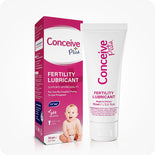
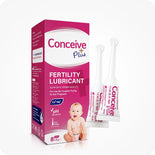
When ovulation is confirmed—whether naturally or following induction—timed intercourse during the fertile window gives the best chance of conception. Conceive Plus is a sperm-safe fertility lubricant that supports this critical window.
Many women with PCOS experience vaginal dryness due to hormonal imbalance or as a side effect of ovulation-inducing medications. Using a standard lubricant during the fertile window can harm sperm. Conceive Plus is specifically formulated to be safe for sperm—pH-balanced, isotonic, and enriched with calcium and magnesium ions that support the fertilisation process.
Available in India, Conceive Plus is an accessible, evidence-aligned addition to your PCOS fertility strategy.
When you're ready for the fertile window, Conceive Plus is by your side—sperm-safe, pH-balanced, and clinically formulated.
Shop Conceive Plus India →
Frequently Asked Questions: PCOS and Fertility India
Can I get pregnant naturally with PCOS?
Yes—many women with PCOS conceive naturally, particularly those with milder forms or regular ovulation. Lifestyle modification (diet, exercise, weight management) restores ovulation in a significant proportion. Even with irregular cycles, natural conception is possible; ovulation tracking helps identify fertile windows when they do occur.
What is the fastest way to get pregnant with PCOS?
The fastest route depends on your specific profile. For women with insulin resistance, inositol or metformin combined with letrozole is highly effective and rapid. For those with normal weight and milder PCOS, lifestyle changes alone may restore ovulation within 3–6 months. Consult a fertility specialist to personalise your approach.
Is myo-inositol safe during pregnancy?
Myo-inositol has been studied in pregnancy in women with PCOS and gestational diabetes risk, with a good safety profile. However, always confirm with your doctor or fertility specialist before continuing supplements into pregnancy.
Does PCOS worsen with age?
Interestingly, PCOS hormonal features often improve with age as androgen levels naturally decline. However, the fertility window narrows with age, and ovarian reserve (egg quantity) decreases. Women with PCOS should not assume their fertility is preserved longer—age-related egg quality decline applies equally.
Should I test for PCOS before TTC?
If you have irregular periods (cycles shorter than 21 or longer than 35 days), signs of excess androgens (acne, hirsutism), or difficulty conceiving, PCOS assessment is appropriate. Testing involves hormonal blood work (LH, FSH, testosterone, DHEA-S, AMH, insulin) and pelvic ultrasound.
What foods should I avoid with PCOS in India?
Focus on limiting: white rice (switch to brown rice/millets), maida (refined flour) products, sweetened beverages and packaged juices, fried snacks, and high-sugar desserts. Also moderate dairy if you're sensitive (some research links dairy with higher androgen levels in PCOS).
Is letrozole or clomiphene better for PCOS in India?
Current international guidelines (ESHRE/ASRM 2018) recommend letrozole as first-line ovulation induction for PCOS based on superior live birth rates and lower multiple pregnancy risk. However, clomiphene remains more widely prescribed in India due to familiarity and lower cost. Discuss both options with your gynaecologist or fertility specialist.
Can stress cause PCOS symptoms to worsen?
Yes. Chronic psychological stress elevates cortisol, which can worsen insulin resistance, elevate androgens, and suppress the hypothalamic-pituitary-ovarian axis. Stress management (yoga, meditation, adequate sleep) is genuinely therapeutic for PCOS, not just emotionally supportive.
Is there a specific lubricant recommended for PCOS TTC?
Yes—women with PCOS should use a sperm-safe lubricant if needed during the fertile window. Standard lubricants can impair sperm motility. Conceive Plus is specifically formulated to be non-harmful to sperm, with pH and osmolality matching fertile cervical mucus, making it the ideal choice for TTC with PCOS.
Conceive Plus supports the moment that matters—when ovulation is confirmed and you're trying to conceive. Safe for sperm, trusted by couples across India.
Get Conceive Plus India →