
Trying to Conceive After 35: Age and Female Fertility Explained
Trying to Conceive After 35: Age and Female Fertility Explained
Many women in India and around the world are choosing to start or grow their families later in life — for career reasons, finding the right partner, financial stability, or simply life's unpredictable timing. If you're trying to conceive after 35, you've probably heard that fertility declines with age. While this is true, the picture is more nuanced than the statistics often suggest — and there is a great deal you can do to support your fertility and improve your chances of a healthy pregnancy.
This guide explains the science behind age-related fertility decline, what tests can help you understand your ovarian reserve, which lifestyle factors and supplements can support egg quality, and when to seek specialist support.
Why Does Fertility Decline With Age?
Women are born with all the eggs they will ever have — approximately 1–2 million at birth, declining to around 300,000 by puberty, and continuing to decrease throughout reproductive life. By the mid-30s, both the number of eggs (ovarian reserve) and their quality begin declining more rapidly.
Key age-related changes that affect fertility include:
- Declining egg quantity: The ovarian reserve decreases with age, meaning fewer eggs are available to be recruited each cycle.
- Declining egg quality: As eggs age, chromosomal errors become more common — a process related to changes in the cell division machinery (the spindle apparatus). These chromosomal abnormalities are the primary reason for increased miscarriage rates with age and why some embryos fail to implant.
- Reduced ovarian response: The ovaries may respond less robustly to natural hormonal stimulation, potentially leading to shorter follicular phases and less fertile cervical mucus.
- Accumulation of oxidative damage: Decades of cellular metabolism accumulate oxidative damage in eggs, which is one reason antioxidant supplementation — which can partially counteract this damage — is particularly valuable for women over 35.
That said, age is a risk factor, not a sentence. Many women conceive naturally in their late 30s and even early 40s. Understanding your individual fertility picture is the most important first step.
Support Your Fertility After 35 with Conceive Plus
Conceive Plus women's fertility supplements are formulated with CoQ10, methylfolate, antioxidants, and key minerals to support egg quality and hormonal balance at any age.
Shop Conceive Plus India →Understanding AMH and Ovarian Reserve
Anti-Müllerian hormone (AMH) is produced by the small follicles in your ovaries and is the most accurate blood test marker of ovarian reserve currently available. Unlike FSH (which fluctuates through the cycle), AMH is relatively stable and can be tested at any point in your cycle.
AMH levels decline with age and give an indication of your remaining egg supply. However, it's crucial to understand what AMH does — and doesn't — tell you:
- AMH reflects egg quantity, not egg quality. Women with low AMH can still conceive; it may just mean fewer eggs are available.
- AMH predicts ovarian response to stimulation in IVF, helping fertility specialists plan protocols.
- A low AMH is not a reason to panic — it is one data point among many.
- Reference ranges vary by laboratory, and your result should always be interpreted by a reproductive specialist in the context of your full clinical picture.
Other tests that help assess ovarian reserve include:
- Antral follicle count (AFC): A transvaginal ultrasound count of the small follicles visible at the start of the cycle. Higher AFC correlates with better ovarian reserve.
- Day 2–3 FSH: Elevated early follicular phase FSH suggests reduced ovarian reserve.
- Estradiol on day 2–3: Elevated early estradiol can suppress FSH artificially, meaning FSH may appear normal when it isn't.
Egg Quality: What You Can Actually Influence
While egg quantity cannot be increased, egg quality is genuinely influenced by lifestyle, nutrition, and targeted supplementation — particularly important for women over 35 where oxidative damage to eggs becomes more significant.
CoQ10 (Coenzyme Q10)
CoQ10 is the most evidence-backed supplement for egg quality. It powers the mitochondria within eggs — the cellular energy factories essential for egg maturation and the early cell divisions that follow fertilisation. CoQ10 levels in the body decline with age, and supplementation helps replenish this.
Multiple studies have shown that CoQ10 supplementation improves egg quality and embryo quality in women undergoing IVF, with particularly significant benefits for older women. Doses of 400–600mg per day of ubiquinol (the active form) are commonly used in fertility protocols.
Conceive Plus women's fertility supplements include CoQ10 specifically for its egg-quality supporting properties.
Antioxidants
Vitamins C and E, selenium, N-acetylcysteine (NAC), and resveratrol all help counteract oxidative damage to eggs. A comprehensive antioxidant strategy — through diet (colorful vegetables, berries, nuts) and supplementation — is one of the most impactful interventions for women over 35.
Methylfolate (Active Folate)
Folate is essential for DNA replication and cell division in the early embryo. Women over 35 should use the active methylfolate form rather than synthetic folic acid, as the conversion enzyme (MTHFR) becomes less efficient with age and in women carrying MTHFR gene variants. Conceive Plus uses methylfolate for this reason.
Vitamin D
Vitamin D deficiency is surprisingly common in India despite abundant sunlight, largely due to indoor lifestyles, sun avoidance practices, and skin pigmentation. Vitamin D plays important roles in ovarian function, uterine receptivity, and immune balance — all relevant to fertility after 35.
DHEA
Some reproductive specialists recommend DHEA (dehydroepiandrosterone) for women with diminished ovarian reserve to improve egg quality. The evidence is mixed but promising, particularly for women with very low AMH. DHEA should only be taken under medical supervision due to its androgenic effects.
Lifestyle Factors That Support Fertility After 35
- Maintain a healthy weight: Both underweight and overweight status affect hormonal balance and ovulation regularity. A BMI in the healthy range (18.5–24.9) is associated with better fertility outcomes.
- Prioritise sleep: Melatonin, produced during sleep, is a potent antioxidant that concentrates in ovarian follicular fluid and helps protect eggs. Aim for 7–9 hours of quality sleep.
- Manage stress: Chronic stress elevates cortisol, which can suppress reproductive hormones. Practices like yoga, meditation, and regular nature exposure can help, particularly relevant in the context of Indian cultural approaches to wellness.
- Avoid smoking: Smoking accelerates ovarian ageing and is strongly associated with earlier menopause and reduced fertility. If you smoke, stopping is the single most impactful fertility intervention available.
- Limit alcohol: Even moderate alcohol consumption affects egg quality and implantation.
- Reduce plastic exposure: Endocrine-disrupting chemicals in plastics (BPA, phthalates) can affect ovarian function. Use glass or stainless steel containers where possible, particularly for hot foods.
When to See a Fertility Specialist
For women over 35, the guidance is to seek fertility evaluation after 6 months of trying without success (rather than the standard 12 months for women under 35). For women 40 and above, this is reduced further to 3 months.
In India, fertility specialists (reproductive endocrinologists) are available in major cities including Mumbai, Delhi, Bengaluru, Hyderabad, and Chennai. A complete fertility evaluation should include:
- AMH and AFC for ovarian reserve
- Thyroid function tests (thyroid disorders are common in Indian women and significantly affect fertility)
- Hormonal profile (FSH, LH, estradiol, prolactin, testosterone)
- Pelvic ultrasound
- Semen analysis for your partner
- Hysterosalpingography (HSG) to assess tubal patency if indicated
Pregnancy After 35: What Are the Real Odds?
Statistics on fertility after 35 can feel alarming, but context matters. Per-cycle natural conception rates are approximately:
- 25–30% per cycle for women aged 25–29
- 15–20% per cycle for women aged 35–39
- 5–10% per cycle for women aged 40–44
These are per-cycle rates. Over multiple cycles (and with appropriate medical support where needed), cumulative pregnancy rates are significantly higher. IVF success rates with own eggs are lower for older women, but donor egg IVF — if ever needed — achieves rates close to those of younger egg donors regardless of maternal age.
The most important message: don't wait to seek information. Knowledge of your individual fertility picture allows you to make informed decisions and access support early when it can make the most difference.
How Conceive Plus Supports Women Over 35
Conceive Plus women's fertility supplements are specifically designed to support the nutritional needs of women who are trying to conceive, including those over 35. The formula includes:
- Methylfolate (active folate for optimal absorption)
- CoQ10 (ubiquinol form) for egg quality
- Vitamin D3 for hormonal balance
- Iron and B12 for overall reproductive health
- Antioxidant complex including vitamins C and E and selenium
- Inositol for cycle regularity
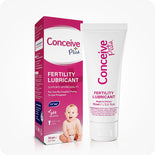
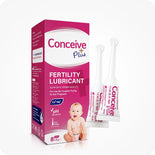
Conceive Plus also offers fertility lubricant for use during your fertile window, ensuring that lubrication does not compromise the sperm-friendly environment when natural cervical mucus may be reduced.
Frequently Asked Questions
Can I still get pregnant naturally at 37?
Yes. Many women conceive naturally at 37 and beyond. Fertility does decline with age, but individual variation is enormous. Optimising lifestyle and nutrition and trying for 6 months before seeking evaluation is a reasonable approach for most 37-year-olds.
What does a low AMH level mean for my fertility?
Low AMH indicates reduced ovarian reserve (fewer eggs remaining), but does not directly measure egg quality. Women with low AMH can and do conceive — it may mean the window of natural conception is narrower. A fertility specialist can help interpret AMH in full context.
Does CoQ10 actually improve egg quality?
Yes. Multiple studies, including RCTs, show that CoQ10 supplementation improves mitochondrial function in eggs, leading to better egg and embryo quality in IVF studies. Benefits are most significant in women over 35. Conceive Plus includes CoQ10 for this reason.
How long before TTC should I start taking supplements?
Ideally 3 months before, as egg development takes approximately 90 days and supplements need time to improve cellular antioxidant status. However, starting at any point is better than not starting. Conceive Plus supplements can be begun even once you're already trying.
Is IVF the only option if I'm 38 and not conceiving?
No. Ovulation induction, IUI, and timed intercourse with medical monitoring are often tried before IVF. IVF becomes more appropriate with specific diagnoses, tubal issues, or after timed interventions have not resulted in pregnancy. Consult a reproductive specialist for personalised guidance.
Are thyroid problems common in Indian women with fertility issues?
Yes. Thyroid disorders (both hypothyroidism and hyperthyroidism) are common in Indian women and can significantly disrupt ovulation and implantation. A thyroid function test (TSH, T3, T4) should be part of every fertility workup.
Can stress cause infertility after 35?
Chronic stress can suppress ovulation and disrupt hormonal balance, adding to age-related fertility challenges. Stress management — yoga, meditation, adequate rest — is a meaningful part of any fertility optimisation plan.
Is methylfolate better than regular folic acid?
For many women, especially those with MTHFR gene variants (which are common in Indian populations), methylfolate is more bioavailable and effective than synthetic folic acid. Conceive Plus uses methylfolate for this reason.
Your Fertility Journey, Supported
Age is one factor — but it's not the only one. Give your eggs the best environment possible with Conceive Plus women's fertility supplements, designed with the nutrients that matter most when you're trying to conceive after 35.
Shop Conceive Plus India →References: Gleicher N et al., Human Reproduction Update, 2014; Ben-Meir A et al., Aging Cell, 2015; FOGSI (Federation of Obstetric and Gynaecological Societies of India) guidelines; WHO Infertility Definitions; Bhattacharya S et al., BJOG, 2012.