
Fertility Supplements: A Complete Guide to Vitamins and Nutrients for Conception in India
Fertility Supplements: A Complete Guide to Vitamins and Nutrients for Conception in India
When you're trying to conceive, optimising your nutritional status is one of the most evidence-based, actionable steps you can take. Fertility supplements bridge the gap between what a typical modern diet provides and what the reproductive system needs to function at its best — from egg development and ovulation to sperm production, fertilisation, and early embryo growth.
Why Fertility Supplements Matter
Even with a healthy diet, most people fall short of optimal levels of several nutrients critical to reproduction. Folate, vitamin D, zinc, selenium, CoQ10, and omega-3 fatty acids are all commonly below optimal in population studies across India and globally. These are not minor deficiencies — they have direct, documented consequences for egg quality, sperm production, ovulation regularity, and early embryo development.
Fertility supplements work through several mechanisms: antioxidant protection (reducing oxidative damage to eggs and sperm), cofactor support (providing essential cofactors for the enzymatic processes of gametogenesis), hormonal support (nutrients like zinc, vitamin D, and iodine directly influence reproductive hormone production), DNA protection (folate, antioxidants, and zinc support genomic integrity), and structural support (selenium, L-carnitine, and omega-3s contribute to the physical structure and function of sperm and egg membranes).
The impact is real and measurable. Studies of preconception supplementation show improvements in time to pregnancy, sperm parameters, ovulation regularity, IVF outcomes, and reduced miscarriage rates.
Essential Fertility Supplements for Women
Trusted by fertility specialists worldwide — formulated with the nutrients and care your TTC journey deserves.
Shop Conceive Plus Now →
Folate (5-MTHF) — The Non-Negotiable
Folate is the most critically important fertility supplement for women. It is required for DNA synthesis and repair in rapidly dividing cells — including during follicle development, fertilisation, and in the first weeks of embryo growth when the neural tube forms. Inadequate folate during this period dramatically increases the risk of neural tube defects and is associated with ovulatory dysfunction, elevated homocysteine, and implantation failure.
All women planning pregnancy should start supplementing at least 3 months before TTC. The active form, 5-methyltetrahydrofolate (5-MTHF), is preferable over synthetic folic acid — particularly for the estimated 30–50% of people who have MTHFR gene variants affecting folic acid conversion efficiency. Standard dose: 400–800mcg/day minimum.
Vitamin D — The Hormone-Like Vitamin
Vitamin D deficiency is endemic in India, particularly in urban settings and among individuals who spend limited time outdoors. Vitamin D receptors are found in the ovaries, uterus, placenta, and virtually every tissue in the body. Deficiency is associated with ovulatory dysfunction, reduced IVF success rates, impaired implantation, and poor pregnancy outcomes. Many women require 2000–5000 IU daily to achieve optimal blood levels (50–100 nmol/L). Testing vitamin D levels before supplementing allows precise dosing.
CoQ10 (Ubiquinol) — For Egg Quality
Coenzyme Q10 is concentrated in the mitochondria of oocytes and is essential for the energy production that drives chromosome separation during meiosis. As women age (and CoQ10 levels naturally decline from the mid-20s), mitochondrial dysfunction in oocytes increases, contributing to higher rates of chromosomal abnormality and failed fertilisation. CoQ10 supplementation (200–600mg of ubiquinol form) has been shown to improve egg quality, fertilisation rates, and blastocyst development — particularly in women over 35.
Myo-Inositol — For Ovulation and PCOS
Myo-inositol is a naturally occurring sugar alcohol that acts as a secondary messenger for FSH signalling in the follicle. It has emerged as one of the best-evidenced supplements for improving ovulation in women with PCOS. Studies show that myo-inositol (2–4g/day), particularly when combined with D-chiro-inositol in a 40:1 ratio, restores menstrual regularity, improves oocyte quality, and reduces insulin resistance in PCOS — a condition that affects a significant proportion of Indian women of reproductive age.
Iron
Iron deficiency anaemia is highly prevalent among women in India — a 2019–2021 NFHS survey found anaemia in approximately 57% of women of reproductive age. Iron is essential for haemoglobin production, DNA synthesis, and thyroid hormone synthesis. Iron deficiency is associated with ovulatory dysfunction and adverse pregnancy outcomes. Plant-based (non-haem) iron sources should be paired with vitamin C for optimal absorption.
Omega-3 Fatty Acids (DHA and EPA)
DHA supports follicle membrane fluidity and sperm cell structure. EPA has anti-inflammatory properties. DHA is also the most important nutrient for foetal brain development during the first trimester. Many women — particularly vegetarians and vegans, who are very common in India — have suboptimal omega-3 status. Algae-based DHA supplements provide the active form without fish oil and are suitable for vegetarian/vegan use.
Essential Fertility Supplements for Men
Male factor contributes to approximately 40–50% of infertility cases. In India, studies have found that up to 30–40% of men presenting for semen analysis have at least one abnormal parameter. Targeted supplementation can meaningfully improve sperm count, motility, morphology, and DNA integrity.
Zinc — The Testosterone and Sperm Mineral
Zinc is critical for testosterone synthesis, DNA repair in developing sperm, and normal sperm morphology. Zinc deficiency — common in populations with limited meat or seafood intake — is directly associated with low testosterone and poor sperm quality. Standard dose: 25–30mg elemental zinc daily.
Selenium — Structural Sperm Support
Selenium is incorporated into selenoprotein enzymes that protect sperm from oxidative damage and form structural components of the sperm tail. Studies show selenium supplementation (100–200mcg/day) improves sperm motility, particularly in men with baseline deficiency.
CoQ10 — The Sperm Energy Supplement
Multiple randomised controlled trials have shown that CoQ10 supplementation (200–600mg/day) improves sperm concentration, total motility, and progressive motility — with the most pronounced effects in men with idiopathic asthenozoospermia (poor motility without clear cause).
L-Carnitine and Acetyl-L-Carnitine
L-carnitine and its acetylated form are essential for fatty acid transport into sperm mitochondria and are found in very high concentrations in the epididymis where sperm mature and gain motility. Studies show L-carnitine supplementation (2–3g/day) improves sperm motility and reduces oxidative stress markers in semen.
Lycopene
Lycopene is a carotenoid antioxidant found in high concentrations in cooked tomatoes. Studies have specifically associated lycopene supplementation with improved sperm morphology — the shape characteristic that allows sperm to navigate to and penetrate the egg. 4–8mg of lycopene daily is a simple, evidence-based addition.
The Role of Fertility Lubricants in the TTC Journey
While fertility supplements support the internal biology of conception, the choice of lubricant affects the external environment that sperm encounter during intercourse. Most commercial lubricants — including water-based varieties widely sold in India — significantly reduce sperm motility through non-physiological pH and osmolality.
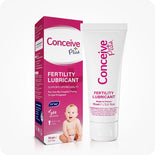
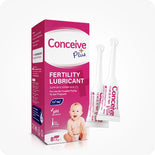
Conceive Plus fertility lubricant is specifically formulated to match the pH (7.0–8.5) and osmolality of fertile cervical mucus, with the addition of calcium and magnesium ions that naturally occur during the fertile window and support sperm capacitation. It is FDA-cleared as a Class III medical device and widely used in fertility clinic settings globally. If lubrication is needed during TTC, Conceive Plus is the science-backed choice.
Fertility Supplements FAQ
Q: When should I start taking fertility supplements?
A: Ideally 3–6 months before attempting to conceive. Egg development (90 days) and sperm production (74 days) both take months — supplementation started today influences the gametes produced over the coming months.
Q: Are fertility supplements safe?
A: Quality fertility supplements formulated with appropriate doses are generally very safe. Some nutrients have upper tolerable limits. Always check with your doctor if you have underlying health conditions or are taking medications.
Q: Can fertility supplements replace a healthy diet?
A: No — they complement a healthy diet rather than replace it. The most effective approach combines a nutrient-dense diet with targeted supplementation.
Q: How do I know if my sperm are improving from supplements?
A: A repeat semen analysis 3 months after starting targeted supplementation is the most reliable way to objectively assess improvement.
Q: What is the best fertility supplement for PCOS in India?
A: Myo-inositol (2–4g/day) has the strongest evidence for PCOS specifically, particularly for restoring ovulation and improving insulin sensitivity. Combined with folate, vitamin D optimisation, and a low-glycaemic diet, it forms the evidence-based foundation of PCOS TTC management.
Q: Are Conceive Plus supplements vegetarian or vegan-friendly?
A: Conceive Plus offers vegetarian capsule options. Check the product labelling for each specific supplement, as formulations vary.
Q: How long should I take fertility supplements before expecting results?
A: Allow at least 3 months before assessing effectiveness, given the timelines of egg and sperm development. Some benefits — like improved ovulation regularity with myo-inositol — may be apparent sooner.
Q: Is CoQ10 from food sources sufficient for fertility?
A: Dietary CoQ10 from meat, fish, and nuts provides perhaps 3–5mg/day — far below the 200–600mg supplementation levels shown to be effective in fertility research. Supplementation is necessary to achieve therapeutic levels.
Q: What fertility supplements are recommended for women over 35?
A: CoQ10 (at higher doses, 400–600mg), active folate, vitamin D, omega-3s, and potentially DHEA (under specialist supervision) are especially important for women over 35, where egg quality and ovarian reserve are most likely to benefit from targeted support.
Q: Can my husband take his fertility supplements alongside his regular vitamins?
A: Most fertility supplements are compatible with general multivitamins, though you should check for overlap — particularly for zinc, as the combined intake should not consistently exceed 40mg/day. Consult a physician if unsure.
Always consult a gynaecologist, fertility specialist, or registered dietitian before starting a fertility supplement regimen, particularly if you have any underlying health conditions or are taking medications.
Trusted by fertility specialists worldwide — formulated with the nutrients and care your TTC journey deserves.
Explore the Full Conceive Plus Range →