
How to Improve Sperm Health: A Science-Based Guide for Men Trying to Conceive
How to Improve Sperm Health: A Science-Based Guide for Men Trying to Conceive
Male factor infertility contributes to approximately 40–50% of all fertility challenges experienced by couples—yet it remains among the least discussed aspects of the TTC journey. For the many couples navigating fertility difficulties in India, understanding how to improve sperm health is not just relevant—it may be the single most impactful change available to them.
The good news: sperm health is highly responsive to lifestyle interventions, nutritional changes, and targeted supplementation. Unlike egg quality—which declines with age in ways that are difficult to reverse—sperm quality can improve significantly within 3 months, because new sperm are produced continuously through spermatogenesis. This guide covers the science of what impacts sperm health and what you can do about it.
The Four Key Sperm Parameters
Semen analysis (SA) is the primary diagnostic tool for male fertility and measures four parameters:
- Sperm count (concentration): Normal ≥16 million sperm/mL (WHO 2021 reference values). Low count = oligospermia.
- Motility: Percentage of sperm moving forward (progressive motility). Normal ≥30% progressive motility. Low motility = asthenospermia.
- Morphology: Percentage of sperm with normal shape. Normal ≥4% by Kruger strict criteria. Abnormal morphology = teratospermia.
- Volume: Normal 1.4–7.6 mL. Low volume may indicate blockage or retrograde ejaculation.
A single abnormal parameter reduces fertility probability—but does not make conception impossible. The degree of abnormality and which parameters are affected determines how significant the impact is. Many men with borderline parameters conceive naturally, particularly with lifestyle optimisation and targeted supplementation.
What Damages Sperm Health
Ready to give your fertility the support it deserves?
Understanding the enemies of sperm health helps clarify which interventions matter most:
Heat
Sperm production (spermatogenesis) requires a temperature approximately 2–3°C below core body temperature—which is why the testes are located outside the body in the scrotum. Anything that elevates scrotal temperature impairs sperm production:
- Tight underwear or clothing that presses testicles against the body
- Laptop placed directly on the lap (increases scrotal temp by up to 2.9°C)
- Hot baths, saunas, and Jacuzzis
- Occupational heat exposure (welders, bakers, drivers with heated seats)
- Fever
Oxidative Stress
Reactive oxygen species (ROS) are produced naturally in metabolic processes and as part of immune defence, but in excess they damage sperm DNA, membranes, and the mitochondria that power sperm movement. Causes of elevated testicular oxidative stress include smoking, alcohol, pollution, obesity, infections, and inadequate dietary antioxidants.
Sperm DNA fragmentation—where the DNA strands within sperm are broken or damaged—is increasingly recognised as a major cause of male factor infertility, recurrent miscarriage, and poor IVF outcomes, and it is primarily driven by oxidative stress.
Hormonal Imbalances
Testosterone and follicle-stimulating hormone (FSH) are required for normal spermatogenesis. Low testosterone, elevated prolactin, thyroid dysfunction, and obesity (which converts testosterone to estrogen via adipose aromatase activity) all impair sperm production.
Varicocele
A varicocele is a dilation of the veins within the scrotum, present in approximately 15% of men and 40% of men with fertility problems. It raises testicular temperature and causes pooling of blood with reduced oxygenation. Varicocele repair (surgical or minimally invasive) significantly improves sperm parameters in men with clinical varicocele and abnormal SA.
Lifestyle Factors
Smoking, alcohol, cannabis, anabolic steroids, and certain medications (sulfasalazine, colchicine, chemotherapy agents) are all documented causes of impaired sperm production. These are modifiable and should be eliminated when trying to conceive.
Evidence-Based Strategies to Improve Sperm Health
1. Quit Smoking
Smoking causes significant, dose-dependent impairment of sperm count, motility, morphology, and DNA integrity. It is among the most powerful modifiable causes of male subfertility. Studies show measurable improvement in sperm parameters within 3 months of cessation—aligning with the spermatogenesis cycle.
2. Limit Alcohol
Alcohol impairs testosterone synthesis and reduces sperm count and motility. Heavy alcohol use reduces semen volume and sperm concentration significantly. Moderate reduction (not necessarily abstinence) improves parameters. When actively trying, both partners minimising alcohol is appropriate.
3. Cool the Testes
Switch from tight briefs to loose boxer shorts or boxers. Avoid extended laptop use on the lap. Skip hot baths and saunas during active TTC. If your job involves prolonged sitting, take breaks to stand and cool the scrotal area. These changes alone may improve sperm parameters measurably within 3 months.
4. Achieve or Maintain Healthy Body Weight
Obesity is associated with lower testosterone, higher estrogen, elevated scrotal temperature (due to fat deposits), and increased oxidative stress. Studies show that weight loss in obese men with fertility problems improves testosterone levels, sperm count, and motility within 6–12 months of sustained lifestyle change.
5. Targeted Nutritional Supplementation
The evidence base for male fertility supplementation has expanded significantly in recent years. Key nutrients include:
- CoQ10 (ubiquinol): 200–400 mg/day. Improves sperm motility and concentration in multiple RCTs. The most consistently evidenced fertility supplement for men.
- Zinc: 25–45 mg/day. Essential for testosterone synthesis and sperm maturation. Zinc deficiency is directly causative of low motility and poor morphology.
- Selenium: 100–200 mcg/day. Antioxidant mineral concentrated in the testis. Studies link selenium supplementation with improved motility in men with low levels.
- L-Carnitine: 1,000–2,000 mg/day. Essential for fatty acid metabolism in the sperm midpiece (energy production for motility). Improves both motility and morphology in clinical trials.
- Vitamin C: 500–1,000 mg/day. Water-soluble antioxidant that reduces oxidative damage to sperm DNA. Studies show reduced sperm DNA fragmentation index with supplementation.
- Vitamin E: 400 IU/day. Fat-soluble antioxidant that protects sperm membranes from lipid peroxidation.
- Omega-3 DHA/EPA: 1–2g/day. DHA is a structural component of the sperm head and essential for the acrosomal reaction and normal sperm morphology.
- Folate: 400–800 mcg/day. Male folate intake is associated with reduced sperm DNA aneuploidy (chromosome errors).
- Lycopene: 10–20 mg/day from tomato products or supplementation. Accumulated in the testes, protects against oxidative damage, associated with improved morphology.
Conceive Plus Men's Motility Support combines the most evidence-backed nutrients—CoQ10, zinc, selenium, L-carnitine, vitamin C, and omega-3—in a single daily formula designed to support comprehensive sperm health over a 3-month supplementation cycle.
6. Optimise Sleep
Testosterone production peaks during sleep, particularly during REM phases. Chronic sleep deprivation (under 6 hours) is associated with 29% lower testosterone levels—a direct impact on spermatogenesis. Aim for 7–9 hours of quality sleep per night during TTC.
7. Manage Stress
Psychological stress elevates cortisol and suppresses testosterone via the HPA-HPG axis interaction. Chronic stress is associated with poorer semen analysis results. Practical stress reduction—exercise, adequate sleep, social support, mindfulness—has measurable effects on male reproductive hormones.
8. Avoid Environmental Toxins
Endocrine-disrupting chemicals—including BPA (plastics), phthalates (plastics, personal care products), pesticides, and heavy metals—impair sperm production by interfering with testosterone synthesis and spermatogenesis. In India, occupational exposure to agricultural pesticides is a documented cause of male infertility in farming communities. Reduce exposure where possible: use glass or stainless steel containers rather than plastic, wash produce thoroughly, and be aware of occupational chemical exposure.
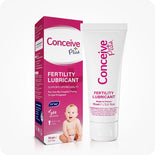
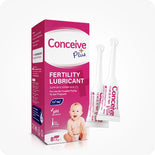
Conceive Plus Fertility Lubricant: Protecting Sperm in the Bedroom
Even with excellent sperm parameters, using the wrong lubricant during intercourse can significantly reduce sperm motility. Standard lubricants are toxic to sperm due to incompatible pH, osmolality, and chemical ingredients. Conceive Plus fertility lubricant is formulated to match the physiological environment of fertile cervical mucus—the right pH, osmolality, and ionic composition—protecting sperm function during the critical journey to the egg.
If you are optimising sperm health through lifestyle and supplementation, do not undermine it with a standard lubricant during the fertile window. Conceive Plus is the logical complement to a comprehensive male fertility improvement programme.
When to Seek Medical Evaluation
- Trying to conceive for 12+ months without success
- Known risk factors: history of undescended testes, previous surgery or trauma to the testes, chemotherapy or radiation
- Two or more semen analyses with significantly abnormal results
- Symptoms suggesting hypogonadism (low libido, fatigue, reduced body/facial hair, gynaecomastia)
A urologist specialising in male fertility (andrologist) can order comprehensive hormonal panels, sperm DNA fragmentation testing, scrotal ultrasound, and genetic testing (karyotype, Y-chromosome microdeletion) where appropriate.
Frequently Asked Questions: Sperm Health Improvement
Q: How long does it take to improve sperm quality?
The full spermatogenesis cycle is approximately 72–74 days. Changes in lifestyle, diet, and supplementation influence sperm being produced today—which will appear in ejaculate in about 10 weeks. Full benefit of any intervention is typically seen at 3 months of sustained change.
Q: Does stress actually affect sperm?
Yes, through documented hormonal mechanisms. Cortisol inhibits testosterone-producing Leydig cells. Prolonged stress is associated with measurably reduced sperm concentration and motility in multiple observational studies. Stress management is a legitimate fertility intervention for men.
Q: Can a varicocele be treated naturally without surgery?
Lifestyle and antioxidant supplementation may partially mitigate the effects of varicocele, but they cannot correct the anatomical issue. For men with clinical varicocele and impaired semen parameters who are trying to conceive, surgical repair (varicocelectomy or percutaneous embolisation) has strong evidence for improving sperm parameters and natural conception rates.
Q: Are mobile phones harmful to sperm?
Observational studies have found associations between keeping a mobile phone in a trouser pocket and lower sperm count and motility. The proposed mechanism involves electromagnetic radiation and heat. The evidence is preliminary but sufficient to suggest keeping phones away from the trouser pocket when TTC costs nothing and may be prudent.
Q: Does ejaculation frequency affect sperm quality?
Daily ejaculation reduces sperm count per sample but does not significantly reduce motility or morphology in men with normal spermatogenesis. For couples with low sperm count, abstaining for 2–3 days before the fertile window may improve per-sample counts. For couples with normal counts, intercourse every 1–2 days throughout the fertile window optimises conception probability.
Q: Can supplements alone improve sperm health if I don't change other habits?
Supplements provide specific nutrients that support spermatogenesis and reduce oxidative damage, and they have demonstrated benefits in clinical trials. However, they work best in combination with lifestyle changes—particularly eliminating smoking, limiting alcohol, and managing heat exposure. Supplements and lifestyle changes are synergistic, not interchangeable.
Summary
Sperm health is highly responsive to intervention. Within 3 months—one full spermatogenesis cycle—meaningful improvements in count, motility, and morphology are achievable through lifestyle changes, targeted nutrition, antioxidant supplementation, and heat management. Conceive Plus Men's Motility Support and Conceive Plus fertility lubricant provide targeted, evidence-based tools for supporting male fertility as part of a comprehensive TTC approach.
Visit conceiveplus.in for fertility lubricants, supplements, and expert-backed guidance designed for the Indian TTC community.
Trusted by hundreds of thousands of couples worldwide.