
Sperm Health: The Complete Guide to Improving Sperm Count, Motility, and Quality
Sperm Health: The Complete Guide to Improving Sperm Count, Motility, and Quality
When a couple struggles to conceive, the conversation about sperm health is often delayed far too long. Yet the evidence is unequivocal: male factors — primarily sperm quality issues — are involved in approximately 40–50% of all infertility cases. Understanding what determines sperm health, what impairs it, and what can realistically improve it is essential knowledge for any couple trying to conceive.
This guide covers sperm health comprehensively: the anatomy of a healthy sperm cell, what semen analysis parameters mean, the major modifiable and non-modifiable factors affecting sperm quality, evidence-based interventions, and practical advice for men in India who want to optimise their fertility naturally.
What Is Sperm Health, and Why Does It Matter?
Sperm health is a composite measure of multiple sperm parameters assessed in a semen analysis. No single parameter tells the complete story — it's the combination that matters. The World Health Organisation (2021) reference values for a fertile ejaculate are:
- Sperm concentration: ≥16 million/mL
- Total sperm count: ≥39 million per ejaculate
- Total motility: ≥42% (any movement)
- Progressive motility: ≥30% (directional forward movement)
- Morphology (Kruger strict): ≥4% normal forms
- Semen volume: ≥1.4 mL
- Vitality (live sperm): ≥54%
A semen analysis with all parameters in normal range does not guarantee fertility, but it makes male factor infertility unlikely. Conversely, values below these ranges indicate subfertility — which, in many cases, is modifiable through lifestyle change, supplementation, or medical treatment.
The Journey of a Sperm Cell: Production to Fertilisation
Start your fertility journey with Conceive Plus.
Trusted by thousands of couples worldwide, Conceive Plus is clinically tested and used in fertility clinics globally.
Shop Conceive Plus →
Understanding sperm health requires understanding the sperm life cycle. Sperm are produced in the seminiferous tubules of the testes through a 74-day process called spermatogenesis. From there, they travel to the epididymis, where they mature and acquire motility over approximately 12 days.
At ejaculation, sperm are mixed with secretions from the seminal vesicles (comprising ~65% of semen volume, providing fructose for energy), the prostate (providing zinc and enzymes that liquefy semen), and the bulbourethral glands (pre-ejaculatory fluid). The resulting ejaculate creates a protective, nourishing environment for sperm during the initial phase of their journey.
Inside the female reproductive tract, sperm face an extraordinary journey: navigating the acidic vaginal environment, passing through the cervical mucus (a selective filter for abnormal sperm), swimming through the uterine cavity, and entering the fallopian tube where fertilisation occurs. Of the hundreds of millions of sperm in an ejaculate, typically fewer than 100 reach the fallopian tube where the egg waits — and only one will fertilise it.
Major Factors That Impair Sperm Health
Heat Exposure
Spermatogenesis requires a temperature approximately 2–3°C below core body temperature — this is why the testes are located outside the body. Elevated scrotal temperature is one of the most common and easily modifiable causes of poor sperm quality. Sources of problematic heat exposure include:
- Tight underwear (briefs vs boxers debate is real — boxers do maintain slightly lower scrotal temperature)
- Prolonged sitting, particularly in vehicles (relevant for drivers and desk workers)
- Laptop use directly on the lap
- Prolonged hot showers, steam rooms, or saunas
- Occupational heat exposure (kitchen workers, factory workers near heat sources)
Oxidative Stress
Oxidative stress — excess reactive oxygen species (ROS) that damage cells — is found in approximately 30–80% of infertile men. Sperm are exceptionally vulnerable to oxidative damage because their membranes are rich in easily oxidised polyunsaturated fatty acids, and mature sperm have very limited antioxidant enzyme defences (these are sacrificed during development to reduce sperm size and weight). Sources of oxidative stress affecting sperm include:
- Cigarette smoking
- Alcohol excess
- Environmental toxins (pesticides, heavy metals, air pollution)
- Varicocele (varicose vein in the scrotum — creates local heat and ROS)
- Infections (STIs, prostatitis)
- Psychological stress
- Poor diet (low antioxidant intake, high processed food)
Hormonal Imbalances
Sperm production is regulated by the hypothalamic-pituitary-testicular (HPT) axis. Disruptions at any level — including elevated prolactin, low testosterone, thyroid dysfunction, or excess oestrogen — can impair spermatogenesis. Hormonal evaluation (FSH, LH, testosterone, prolactin, thyroid panel) is an important component of male fertility assessment, particularly when semen analysis shows low count with small-volume testes.
Varicocele
Varicocele — abnormal dilation of the pampiniform venous plexus in the scrotum — is found in approximately 35–40% of infertile men (vs ~15% of fertile men). It is the most common correctable cause of male infertility. Varicoceles impair sperm health through elevated scrotal temperature and oxidative stress from blood pooling. Varicocelectomy (surgical correction) has been shown to improve sperm parameters and pregnancy rates in appropriately selected patients.
Genetic Factors
Approximately 15% of azoospermic men have chromosomal abnormalities, most commonly Klinefelter syndrome (47,XXY) or Y chromosome microdeletions. These are non-modifiable but can be identified through karyotype analysis and Y chromosome testing, which guides prognosis and treatment options.
Evidence-Based Interventions to Improve Sperm Health
Stop Smoking
Smoking impairs every sperm parameter — count, motility, morphology, and DNA fragmentation — and effects are dose-dependent. The good news: sperm quality begins improving within weeks of cessation, with full recovery after one spermatogenic cycle (~74 days). Quitting smoking is the single highest-impact lifestyle change for sperm health.
Reduce Alcohol
Alcohol directly reduces testosterone synthesis, elevates oestrogen, and generates testicular oxidative stress. Even moderate regular consumption (above 7 units per week) is associated with reduced sperm count and motility. Abstinence or very minimal consumption during the conception period is recommended.
Optimise Weight
Both underweight and overweight/obesity impair male fertility. Obesity is associated with elevated oestrogen (from aromatisation of testosterone in adipose tissue), reduced testosterone, elevated scrotal temperature, and increased oxidative stress. Even modest weight loss in overweight men has been shown to improve sperm parameters significantly.
Antioxidant Supplementation
Given the central role of oxidative stress in sperm damage, antioxidant supplementation is among the most evidence-supported interventions for improving sperm health. Key supplements include:
- Vitamin C: 1,000 mg/day reduces sperm DNA fragmentation and improves motility
- Vitamin E: 400 IU/day (combined with vitamin C for synergistic effect)
- CoQ10: 200–600 mg/day improves motility and concentration (multiple RCTs)
- Zinc: 25–50 mg/day (essential for testosterone and morphology)
- Selenium: 100–200 mcg/day (supports motility and structural integrity)
- L-carnitine: 2–3 g/day (specifically supports mitochondrial function in sperm — potent motility booster)
- Lycopene: 4–8 mg/day from tomato products or supplements (associated with improved count and motility)
- Folic acid: 5 mg/day (combined with zinc shows reduced DNA fragmentation)
Diet for Sperm Health
The Mediterranean dietary pattern — rich in vegetables, fruits, whole grains, legumes, oily fish, olive oil, and nuts, with limited red meat and processed foods — has shown the strongest association with good sperm quality in population studies.
Key dietary priorities for sperm health in India:
- Pumpkin seeds (kaddu ke beej): Rich in zinc, magnesium, and antioxidants — excellent for testosterone and sperm quality
- Walnuts (akhrot): Clinical trial found daily walnut consumption improved sperm morphology and vitality in young men
- Tomatoes (especially cooked): Highest dietary source of lycopene; dal makhani and tomato-based curries are excellent
- Ashwagandha (Withania somnifera): Traditional Ayurvedic adaptogen with strong evidence for improving sperm count, motility, and testosterone in infertile men; 600 mg root extract daily for 90 days in clinical trials showed significant improvements
- Shatavari: Though primarily used for female fertility in Ayurveda, it contains antioxidants that may support sperm quality
- Eggs: Provide selenium, zinc, and high-quality protein for sperm production
- Fish (especially sardines and mackerel): Rich in omega-3 DHA, critical for sperm membrane function and the acrosome reaction
Environmental Toxins and Sperm Health
India's rapid industrialisation has created significant occupational and environmental exposures relevant to sperm health:
- Pesticide exposure: Organophosphate and organochlorine pesticides are endocrine disruptors that impair testosterone production and spermatogenesis. Agricultural workers and those in rural areas with intensive pesticide use may have significant exposure. Washing produce thoroughly and choosing less-pesticide-intensive crops where possible reduces dietary exposure.
- Heavy metals: Lead and cadmium are associated with reduced sperm count and increased DNA fragmentation. Occupational exposure (battery manufacturing, smelting) and contaminated water sources are primary routes.
- Air pollution: Studies from multiple Indian cities have linked elevated particulate matter (PM2.5) exposure with lower sperm count and motility. While individual control is limited, antioxidant supplementation may partially mitigate the sperm-damaging effects of pollution exposure.
- BPA and phthalates: Found in many plastics, these chemicals act as oestrogen mimics. Avoiding plastic food storage, particularly for hot or fatty foods, is a practical reduction strategy.
Sperm Health and the Role of Lubricants During TTC
A frequently overlooked factor in male fertility is the impact of personal lubricants used during intercourse. Research has consistently shown that most standard lubricants — including water-based and "natural" options — significantly reduce sperm motility within minutes of contact. Key mechanisms include osmotic damage, pH disruption, and lack of ionic support for sperm capacitation.
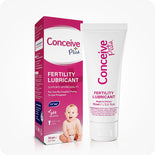
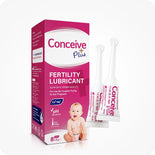
For couples trying to conceive, using a fertility-optimised lubricant like Conceive Plus during the fertile window ensures that lubrication does not inadvertently compromise sperm reaching the egg. Conceive Plus is uniquely formulated with calcium and magnesium ions that support the sperm capacitation process, with pH and osmolality matched to the natural reproductive environment.
Frequently Asked Questions About Sperm Health
Q: What is normal sperm count for Indian men?
A: WHO reference values apply globally — ≥16 million/mL is considered within the normal range. Studies of sperm quality in India have shown variability between urban and rural populations, with urban men showing trends toward lower sperm quality, potentially related to lifestyle factors, stress, and pollution.
Q: How quickly can sperm health improve with lifestyle changes?
A: Spermatogenesis takes 74 days, so improvements are typically measurable after one full cycle — approximately 2–3 months. Some changes (such as reducing scrotal temperature) may show effects faster; others (like dietary improvements) take the full cycle to manifest.
Q: Is low sperm count permanent?
A: In most cases, no. The majority of sperm count issues are caused by modifiable factors (lifestyle, nutrition, infections, varicocele) rather than permanent genetic problems. Even men with very low counts often improve significantly with appropriate intervention. Evaluation by a urologist or andrologist is the first step.
Q: Does ashwagandha really improve sperm health?
A: Yes — ashwagandha (Withania somnifera) is one of the better-evidenced supplements for male fertility. A placebo-controlled trial published in Fertility and Sterility found that 675 mg/day for 90 days significantly improved sperm count (167% increase), motility (57% increase), and semen volume in infertile men with stress-related subfertility. It also reduced cortisol and improved testosterone.
Q: What should I avoid to protect sperm health?
A: Smoking (number one priority), excess alcohol, anabolic steroids, prolonged heat exposure, recreational drugs (particularly cannabis and cocaine), excessive stress, obesogenic diet, and environmental toxin exposure. These are the major modifiable impairments to sperm quality.
Q: Should both partners be tested for infertility?
A: Absolutely yes. Testing only one partner wastes time and may delay identifying the actual cause. A semen analysis for the male partner and ovarian reserve/hormonal assessment for the female partner should be performed simultaneously after 12 months of trying (6 months if the female partner is over 35).
Q: Can stress cause male infertility?
A: Chronic stress elevates cortisol, which suppresses testosterone and increases testicular oxidative stress. While acute occasional stress is unlikely to meaningfully impair sperm quality, chronic psychological stress — particularly the stress of fertility challenges themselves — can create a cycle that impairs both partners' fertility.
Conclusion: Taking Charge of Your Sperm Health
Sperm health is dynamic and responsive to the choices men make every day. For men in India — where environmental pressures, dietary patterns, and cultural barriers to fertility discussion create unique challenges — understanding sperm health is both empowering and practically impactful.
The 74-day spermatogenic cycle means that the lifestyle choices made today will determine the quality of sperm ready for conception in 2–3 months. Starting now — whether that means stopping smoking, adding antioxidants, losing weight, or simply switching to a fertility-safe lubricant — is always the right time to invest in sperm health.
For couples actively trying to conceive in India, combining optimised sperm health with accurate ovulation tracking by the female partner, and using Conceive Plus during the fertile window, creates a comprehensive strategy that addresses every dimension of the conception journey.