
Fertility Lubricants for Conception: A Complete Guide to Choosing the Right Formula for Success

Why Lubricant Choice Matters for Conception
When you are trying to conceive, every detail matters — including the lubricant you use. Most couples use personal lubricants at some point during their conception journey, yet few realise that standard lubricants can significantly impair sperm function. Laboratory studies have consistently shown that many commercial lubricants reduce sperm motility by 60-100% within minutes of contact.
The reason lies in how lubricants are formulated. Standard personal lubricants are designed for comfort, not fertility. Their osmolality salt concentration, pH balance, and chemical additives can create a hostile environment for sperm. For couples trying to conceive, choosing the right lubricant is as important as timing intercourse correctly.
How Standard Lubricants Affect Sperm
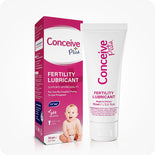
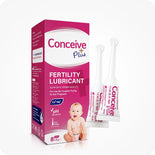
Support your fertility journey today. Discover Conceive Plus fertility lubricant — science-backed and designed to help you conceive.
The primary ways standard lubricants damage sperm include:
Osmolality damage: Most commercial lubricants have an osmolality far higher than what sperm can tolerate. High osmolality draws water out of sperm cells causing dehydration and death. The World Health Organization recommends that any product in contact with sperm should have an osmolality below 380 mOsm/kg, yet many popular lubricants measure 2000-5000 mOsm/kg.
pH imbalance: Sperm thrive in a slightly alkaline environment similar to fertile cervical mucus. Many lubricants are acidic, which can immobilise sperm or reduce their ability to fertilise an egg.
Chemical additives: Parabens, glycerin, propylene glycol, and preservatives commonly found in personal lubricants can be toxic to sperm. Glycerin, in particular, has been shown to reduce sperm motility significantly.
Viscosity issues: Thick lubricants can physically impede sperm movement, making it difficult for them to swim through the cervical canal and reach the fallopian tubes.
What Makes a Lubricant Fertility-Friendly
A fertility-friendly lubricant is specifically formulated to support rather than hinder sperm function. Key characteristics include:
Isotonic formulation: The osmolality is carefully balanced to match that of fertile cervical mucus, preventing damage to sperm cells. Fertility-friendly lubricants typically measure under 300 mOsm/kg, well within the safe range.
pH balanced: The pH is adjusted to match the alkaline environment of fertile cervical mucus, typically around 7.0-8.0, creating conditions that support sperm survival and motility.
Sperm-safe ingredients: Free from parabens, glycerin, propylene glycol, and other known spermatotoxic agents. The ingredient list is short and purposefully designed.
Clinically tested: The best fertility lubricants have undergone clinical testing to demonstrate they do not harm sperm and may actually support sperm function.
Clinical Evidence for Fertility Lubricants
Several clinical studies have evaluated the safety and effectiveness of fertility-friendly lubricants. A 2022 systematic review examined 14 studies on fertility lubricants and found that isotonic, pH-balanced formulas with no spermatotoxic ingredients showed no adverse effects on sperm motility, viability, or DNA integrity.
One study published in the Journal of Assisted Reproduction and Genetics found that a specifically formulated fertility lubricant actually supported sperm motility better than fertile cervical mucus alone. Another study followed 300 couples using a fertility lubricant and found a 25% higher pregnancy rate per cycle compared to couples using no lubricant or standard products.
The clinical consensus is clear: when lubricant is needed during conception attempts, couples should always choose a product specifically designed for fertility.
When to Use Fertility Lubricant
Fertility lubricant can be helpful in several situations during your conception journey:
Natural lubrication issues: Some women naturally produce less cervical mucus, particularly those taking certain medications, those with diminished ovarian reserve, or women approaching perimenopause. Fertility lubricant supplements natural lubrication without harming sperm.
When using fertility monitors: Couples using ovulation prediction kits or fertility monitors often have more frequent intercourse during the fertile window, which can lead to reduced natural lubrication.
Age-related changes: Cervical mucus production naturally declines with age. Women over 35 may benefit from fertility lubricant support.
Male factor concerns: When sperm count or motility is already borderline, using a fertility-friendly lubricant ensures no additional impediment.
How to Use Fertility Lubricant Effectively
For best results, follow these guidelines: Apply lubricant to the outside of the vaginal opening or directly to your partner rather than deep inside the vagina to avoid creating a barrier for sperm. Use only as much as needed for comfort. More is not better and excess can create a physical barrier. Choose a product specifically labelled for fertility or conception. Check the ingredients list for parabens, glycerin, and other spermatotoxic ingredients. Store according to the manufacturer instructions as heat can degrade the formula.
Combining Lifestyle with Optimal Lubricant Choice
Choosing the right lubricant is one piece of a larger fertility optimisation strategy. For best results, combine the use of a fertility-friendly lubricant with proper nutrition including a Mediterranean-style diet rich in antioxidants, targeted supplementation with key fertility nutrients, stress management techniques, adequate sleep, moderate exercise, and accurate ovulation tracking.
Frequently Asked Questions
Q: Are all water-based lubricants safe for fertility?
A: No. Most water-based lubricants contain glycerin, parabens, or other ingredients that damage sperm. Only lubricants specifically tested and formulated for fertility are truly safe.
Q: Can I use coconut oil as a fertility lubricant?
A: While natural, coconut oil can be spermatotoxic in some studies and varies in quality and purity. A formulated fertility lubricant is a more reliable choice.
Q: Does fertility lubricant actually help you get pregnant?
A> Fertility lubricant creates an optimal environment for sperm, and some studies show higher pregnancy rates in couples who use it.
Q: How much lubricant should I use?
A: Use just enough for comfort. Excess lubricant can create a physical barrier that impedes sperm transport.
Q: Can I use fertility lubricant with condoms?
A: Yes. Fertility lubricants are generally compatible with latex condoms, but check the product label to be sure.
Q: Is saliva safe as a lubricant when trying to conceive?
A: No. Saliva has enzymes that can break down sperm and a pH that is hostile to sperm survival.
Q: Does fertility lubricant feel different from regular lubricant?
A> Fertility lubricants are formulated to mimic natural cervical mucus in texture and consistency, which some women find more comfortable.
Q: Do I need to use fertility lubricant every time?
A: Only when needed for comfort. If natural lubrication is adequate, it is fine to skip lubricant.
Q: Can I use fertility lubricant for IVF or IUI?
A: During fertility treatments, follow your doctor recommendations. Most clinics recommend avoiding any external lubricant during IUI.
Your fertility journey deserves the best support. Shop Conceive Plus now — clinically tested, fertility-friendly, and trusted by thousands of couples worldwide.