
Male Fertility in India: Why It Matters and How to Improve Sperm Health Naturally
Male Fertility in India: Why It Matters and How to Improve Sperm Health Naturally
Male infertility contributes to conception challenges in approximately 40–50% of infertile couples — yet it remains underdiagnosed and underdiscussed in India, where cultural expectations often place the entire burden of fertility challenges on the woman. Recent data from fertility clinics across India's major cities show a concerning trend: sperm quality parameters, particularly motility and morphology, are declining, mirroring global trends and likely linked to environmental, dietary, and lifestyle factors specific to the Indian context.
This comprehensive guide is written for Indian men — and their partners — who want accurate, actionable information on male fertility, sperm health optimisation, and the evidence-based strategies available to improve their chances of conception.
Understanding Male Fertility: What Sperm Analysis Tells You
A semen analysis is the foundational test for male fertility evaluation. It measures several key parameters, each of which plays a distinct role in the conception process:
- Sperm count (concentration): The number of sperm per millilitre of semen. WHO reference range: ≥16 million/mL (2021 criteria). Below 15 million/mL is classified as oligospermia.
- Total motility: The percentage of sperm that are moving. WHO reference: ≥42% total motility. Reduced motility is called asthenospermia.
- Progressive motility: Sperm moving in a forward direction. WHO reference: ≥30%. This is the most functionally relevant motility measure — only progressively motile sperm can navigate to the egg.
- Morphology: The percentage of normally shaped sperm. WHO reference (Kruger strict criteria): ≥4%. Abnormal morphology (teratospermia) affects sperm-egg penetration even when count and motility are normal.
- Volume: 1.4–7.6 mL is normal. Very low volume may indicate retrograde ejaculation or ejaculatory duct issues.
- DNA fragmentation: Not part of a standard analysis but increasingly measured, particularly in unexplained infertility or recurrent miscarriage. High DFI (>25%) significantly impacts conception.
If any parameters are below reference range, a repeat test after 74 days (one full sperm development cycle) with lifestyle and supplement optimisation is typically recommended before pursuing further investigation.
Key Causes of Poor Sperm Health in Indian Men
Several factors particularly prevalent in the Indian context are associated with declining sperm quality:
Heat Exposure
Sperm production (spermatogenesis) requires temperatures 2–3°C below core body temperature — which is why the testes are located externally. Extended periods of heat exposure significantly impair sperm production:
- Laptops placed on the lap
- Tight underwear (switch to loose cotton boxer shorts)
- Prolonged sitting (auto drivers, IT professionals, truck drivers)
- Hot baths, steam rooms
- Certain occupational exposures (welding, bakery work)
Pollution and Environmental Toxins
Air quality in Indian metropolitan areas is among the worst globally. Particulate matter and heavy metals (lead, cadmium, arsenic) from air, water, and occupational exposure are associated with reduced sperm count, motility, and increased DNA fragmentation. Antioxidant supplementation is particularly important for men in high-pollution environments.
Nutritional Deficiencies
Zinc, selenium, vitamin D, and folate are all commonly deficient in Indian men and all play essential roles in sperm development. Vegetarian diets — prevalent across much of India — can be zinc-poor if not carefully planned, as zinc in plant foods is less bioavailable than from animal sources.
Stress and Sleep Deprivation
Chronic psychological stress elevates cortisol, which directly suppresses testosterone production and impairs spermatogenesis. Sleep deprivation has similar effects — testosterone production peaks during deep sleep, and consistently poor sleep significantly reduces levels.
Tobacco and Alcohol Use
Both have well-established, dose-dependent negative effects on sperm parameters. Smoking is associated with reduced count, motility, and morphology, and significantly elevated sperm DNA fragmentation. Even 2–3 units of alcohol daily impairs testosterone and sperm production.
Obesity
Adipose (fat) tissue converts testosterone to oestrogen via aromatisation, reducing the testosterone available for spermatogenesis. Obesity is independently associated with reduced sperm count and motility, and with increased sperm DNA damage.
Evidence-Based Supplements for Male Fertility
The following supplements have strong clinical evidence for improving sperm parameters in men with suboptimal results:
Zinc
One of the most extensively studied male fertility nutrients. Zinc is essential for testosterone synthesis, sperm membrane integrity, and acrosome function (the enzyme-containing cap that enables sperm to penetrate the egg). Deficiency is common and directly impairs spermatogenesis. Supplementing 25–50mg elemental zinc daily for 3–6 months has been shown to improve sperm count and motility in multiple trials.
Selenium
An essential trace mineral for sperm motility — selenoprotein P is found in the sperm midpiece and is critical for flagellar function. Combined zinc-selenium supplementation shows additive benefits in clinical research. 55–200mcg selenium daily is the typical therapeutic range.
L-Carnitine and Acetyl-L-Carnitine
L-carnitine plays a critical role in sperm energy metabolism — it transports fatty acids into mitochondria for ATP production in the sperm midpiece. Numerous controlled trials show improvements in sperm motility with L-carnitine supplementation (1–3g daily). This is one of the most consistent supplement findings in male fertility research.
CoQ10 (Ubiquinol)
Essential for mitochondrial energy production in the sperm flagellum. Meta-analyses of randomised trials consistently show improvements in sperm motility and concentration with CoQ10 supplementation. The ubiquinol form is significantly better absorbed than ubiquinone. 200–400mg daily is the typical dose.
Vitamin C
A primary antioxidant in seminal plasma that protects sperm DNA from oxidative damage. Low vitamin C in seminal plasma is associated with elevated DNA fragmentation. 500–1000mg daily significantly reduces DFI in supplementation trials.
Vitamin E
Works synergistically with vitamin C to reduce oxidative stress. Fat-soluble, it integrates into sperm cell membranes and reduces lipid peroxidation — a key mechanism of sperm damage. 400IU daily is typical.
Folate
Required for sperm DNA synthesis and methylation. Combined folate + zinc supplementation has shown significant improvements in total normal sperm counts in controlled trials.
Omega-3 Fatty Acids (DHA)
DHA is highly concentrated in the sperm tail and is essential for membrane fluidity and motility. Men with poor motility often have lower DHA in sperm membranes. Supplementing 1000–2000mg EPA/DHA daily is recommended.
Ashwagandha (Withania somnifera)
A traditional Ayurvedic adaptogen with emerging evidence in male fertility. Randomised trials have shown significant improvements in sperm count, motility, and testosterone levels with ashwagandha supplementation (300–600mg standardised extract daily). As an adaptogen, it also reduces cortisol — addressing the stress-fertility connection directly.
💙 Complete male fertility support, trusted across India.
Explore Conceive Plus fertility supplements for men at conceiveplus.in/collections/fertility-lubricants. Evidence-based formulations for every stage of the TTC journey.
Diet for Sperm Health: The Indian Context
The traditional Indian diet contains many fertility-supportive foods — legumes, vegetables, whole grains, and spices with antioxidant properties. However, modern dietary shifts toward ultra-processed foods, refined carbohydrates, and fried foods in urban India are associated with declining sperm parameters.
Fertility-supportive Indian foods:
- Drumstick leaves (Moringa): Exceptionally high in zinc, vitamin C, and antioxidants — particularly beneficial for sperm health
- Pumpkin seeds (kaddu ke beej): Excellent zinc and selenium source
- Sesame seeds (til): Zinc, omega-3s, vitamin E
- Amla (Indian gooseberry): One of the highest vitamin C content foods available — powerful antioxidant protection
- Turmeric (curcumin): Anti-inflammatory; emerging evidence for sperm DNA protection
- Walnuts (akhrot): Omega-3 fatty acids, antioxidants; 2–3 walnuts daily shown to improve sperm vitality in studies
- Eggs: Vitamin D, zinc, selenium — particularly relevant for vegetarians who include eggs
- Fish (maachh): Omega-3 DHA, selenium — particularly freshwater and oily varieties
Foods to minimise:
- Deep-fried foods (pakoras, samosas daily) — inflammatory
- Refined carbohydrates (maida-based foods) — insulin spikes affect testosterone
- Excessive dairy (some evidence of negative effect on motility with very high intake)
- Alcohol and tobacco — unambiguously harmful
The Fertility Lubricant You Didn't Know You Needed
An often-overlooked component of male fertility optimisation is the lubricant environment during intercourse. Standard lubricants — including common products used across India — can reduce sperm motility by up to 80% within 30 minutes due to harmful pH, osmolality, and chemical composition.
When natural lubrication is insufficient (particularly common during highly scheduled "TTC intercourse"), using a standard lubricant can sabotage carefully optimised sperm from reaching their destination.
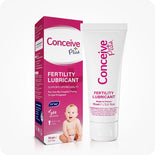
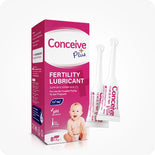
Conceive Plus fertility lubricant is specifically designed to match the properties of fertile cervical mucus — pH-balanced, isotonic, and enriched with Ca²⁺/Mg²⁺ ions that actively support sperm motility and capacitation. Available in India and shipped discreetly, it's a simple addition that ensures your best sperm aren't lost to an incompatible lubricant environment.
🌟 Give your sperm the environment they deserve.
Shop Conceive Plus fertility products at conceiveplus.in — trusted by couples across India on their journey to parenthood.
Frequently Asked Questions About Male Fertility in India
Q: How can I improve sperm count quickly?
A: Sperm take 74 days to develop, so improvements require at least 2–3 months to manifest in a semen analysis. However, starting immediately with lifestyle optimisation (heat avoidance, sleep, diet), stopping smoking and alcohol, and beginning a comprehensive supplement protocol gives the best chance of meaningful improvement within one sperm cycle.
Q: Is vegetarian diet bad for sperm health?
A: Not inherently — a well-planned vegetarian diet rich in legumes, seeds, dairy, whole grains, and vegetables can be fertility-supportive. However, vegetarians should pay particular attention to zinc, vitamin B12, and omega-3 intake, all of which are less abundant or less bioavailable in plant-only diets. Supplementation is typically warranted.
Q: Can stress cause azoospermia (zero sperm count)?
A: Stress alone rarely causes azoospermia — this typically has a hormonal (hypogonadism) or obstructive cause requiring medical evaluation. Stress does, however, reduce sperm count and motility and should be addressed as part of comprehensive fertility optimisation.
Q: Does masturbation frequency affect fertility?
A: Frequent ejaculation reduces sperm count per ejaculate but does not impair overall sperm parameters in men with normal spermatogenesis. Abstaining for 2–5 days before the fertile window optimises sperm count for the most important intercourse. Longer abstinence (>7 days) may reduce motility due to sperm aging.
Q: Is Ashwagandha safe for long-term use?
A: Clinical trials using ashwagandha for up to 12 weeks show good safety profiles. Long-term use should be supervised by a healthcare provider. Men with thyroid conditions should consult their doctor before use as ashwagandha may affect thyroid hormone levels.
Q: When should I see a fertility specialist?
A: If your partner is under 35 and you've been trying for 12 months without success, or if she's 35+ and you've been trying for 6 months, both partners should be evaluated simultaneously. Don't wait for the woman to be "ruled out" before the man is tested — a semen analysis is non-invasive and should be one of the first investigations.
Q: What's the success rate of IUI vs IVF for male factor infertility?
A: IUI (intrauterine insemination) is appropriate for mild male factor — borderline motility or mild count reduction. Success rates per cycle are 10–20% in optimised conditions. IVF with ICSI (intracytoplasmic sperm injection) is used for significant male factor (very low count, severely reduced motility) and has much higher per-cycle success rates. Your fertility specialist will recommend the appropriate pathway.
Q: Can Conceive Plus lubricant help with male factor infertility?
A: Yes — for men with borderline sperm parameters, avoiding lubricant-induced motility reduction is particularly important. Every percentage point of motility matters when starting from a lower baseline. Conceive Plus not only avoids harming sperm — its ionic formula actively supports sperm function, making it the best lubricant choice for couples managing male factor infertility.