
Unexplained Infertility: Understanding the Diagnosis and Navigating Your Path to Parenthood
What Is Unexplained Infertility?

Unexplained infertility is diagnosed when standard fertility testing fails to identify a clear cause after 12 months of trying. It affects approximately 15-30% of couples seeking fertility treatment. This diagnosis can be both frustrating and confusing. On paper, everything looks normal, yet pregnancy has not happened. However, unexplained does not mean untreatable. It often means the issue is subtle, involving factors that standard testing cannot easily detect. The good news is that couples with unexplained infertility have excellent treatment success rates.
What Tests Rule Out Unexplained Infertility?
Before receiving an unexplained infertility diagnosis, couples typically undergo a comprehensive evaluation. For women: ovarian reserve testing (AMH, FSH), ovulation confirmation (progesterone), thyroid function (TSH), tubal patency (HSG), and pelvic ultrasound. For men: semen analysis. All results come back within normal ranges before unexplained infertility is diagnosed. Some specialists also recommend additional testing like laparoscopy to check for mild endometriosis or sperm DNA fragmentation testing.
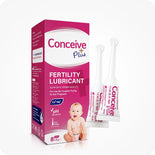
Dont let the unexplained hold you back. Conceive Plus supports your journey with clinically proven fertility-friendly lubrication. Shop now.
Treatment Options for Unexplained Infertility
Treatment for unexplained infertility typically follows a stepwise approach. First-line treatment is often monitored ovarian stimulation with IUI (intrauterine insemination). Medications like letrozole stimulate the development of 1-2 eggs, and IUI places prepared sperm directly into the uterus. Success rates with 3-4 cycles of IUI range from 15-30% per cycle. If IUI is unsuccessful, IVF is the next step. A 2020 study in the New England Journal of Medicine found that immediate IVF was not more cost-effective than 3-6 cycles of IUI first.
Lifestyle Optimisation for Unexplained Infertility
When no clear medical cause is identified, optimising every controllable factor becomes especially important. Both partners should focus on: maintaining a healthy BMI (18.5-24.9), eating a Mediterranean-style diet rich in antioxidants, taking a high-quality prenatal vitamin or male fertility supplement, moderating alcohol, eliminating smoking, managing stress through mindfulness or counselling, and ensuring 7-8 hours of sleep. Studies suggest that lifestyle changes can improve pregnancy rates by 20-30% in couples with unexplained infertility.
Timing Intercourse and the Role of Cervical Mucus
For couples with unexplained infertility, optimising the environment for conception is critical. Some subtle factors may include cervical mucus hostility where the mucus is too thick or acidic for sperm to swim through effectively, or when mucus production is insufficient. This is where Conceive Plus plays an important supportive role. Applied during your fertile window, Conceive Plus provides a sperm-friendly medium that mimics healthy cervical mucus, supporting sperm motility and survival. Its isotonic, pH-balanced formula creates optimal conditions for conception.
Emotional Coping with Unexplained Infertility
The emotional weight of unexplained infertility should not be underestimated. Many couples describe feeling frustrated, confused, and even guilty, wondering if they are somehow missing something. Support groups, counselling, and open communication with your partner are essential. Consider working with a reproductive psychologist who specialises in fertility-related mental health. Remember that unexplained infertility is a medical term, not a reflection of your body failing. The vast majority of couples with unexplained infertility eventually conceive.
Frequently Asked Questions
What is unexplained infertility?
It is diagnosed when standard testing finds no clear cause after 12 months of trying, affecting 15-30% of couples.
Can unexplained infertility be treated?
Yes. Treatment options include IUI and IVF with excellent success rates.
How long should I try before treatment?
After diagnosis, many couples try 3-6 cycles of IUI before considering IVF.
Can lifestyle changes help?
Yes. Diet, exercise, stress reduction, and supplements can improve pregnancy rates by 20-30%.
Is unexplained infertility more common in older women?
No, it affects women of all ages equally as a proportion of infertility cases.
What is the success rate of IUI for unexplained infertility?
15-30% per cycle depending on age, with best results in the first 3-4 cycles.
Does Conceive Plus help with unexplained infertility?
Yes, by providing optimal cervical mucus conditions, eliminating one subtle barrier.
Should I see a specialist?
Yes. A reproductive endocrinologist can guide your treatment plan for the best outcomes.
Can unexplained infertility resolve on its own?
Some couples conceive spontaneously, but treatment significantly increases the odds.
What is the emotional impact?
It can be significant. Counselling and support groups are highly recommended.
Dont let the unexplained hold you back. Conceive Plus supports your journey with clinically proven fertility-friendly lubrication. Shop now.