
Fertility Lubricants: Why Choosing the Right Lubricant Matters When Trying to Conceive
Fertility Lubricants: Why Choosing the Right Lubricant Matters When Trying to Conceive
Personal lubricants are used by an estimated 25–30% of couples during intercourse, with usage rates significantly higher among couples actively trying to conceive — where dryness from the stress and frequency of timed intercourse is common. Yet the vast majority of lubricants on the market are formulated with no consideration whatsoever for their impact on sperm — and the impact can be devastating.
This comprehensive guide explains exactly why fertility lubricants matter, what to look for, what to avoid, and how Conceive Plus lubricant is specifically designed to support — rather than hinder — your path to pregnancy.
The Hidden Problem: How Most Lubricants Harm Sperm
Mainstream personal lubricants — the kind found on pharmacy and supermarket shelves — are formulated primarily for comfort and sensation. Sperm survival is not a consideration in their development. The consequences of this can be significant for couples trying to conceive.
pH Imbalance
The vaginal environment normally maintains a pH of 3.8–4.5 — acidic enough to protect against bacterial infections. However, fertile cervical mucus temporarily raises the vaginal pH to 7.0–8.5 around ovulation, creating a sperm-friendly alkaline corridor that allows sperm to survive and swim freely toward the egg.
Most commercial lubricants have a pH of 3.5–6 — similar to the normal vaginal pH — which is far too acidic for sperm. When sperm are exposed to this pH, their motility is rapidly impaired. A 2014 study found that exposure to most commercial lubricants reduced sperm motility by 60–100% within 30 minutes of exposure.
Osmolality Mismatch
Osmolality — the concentration of dissolved particles in a fluid — is another critical factor. Sperm cells are osmotically sensitive; expose them to a fluid with very different osmolality from their natural environment, and cell membranes can be damaged.
The WHO recommends that products used near sperm have an osmolality of 280–380 mOsm/kg — similar to body fluids. Many commercial lubricants have osmolalities ranging from 1,000 to over 8,000 mOsm/kg — orders of magnitude higher, causing rapid sperm dehydration and death.
Toxic Ingredients
Many lubricants contain ingredients with known spermicidal (sperm-killing) properties. These include:
- Glycerol (glycerine): Present in many "natural" and water-based lubricants at high concentrations; dramatically raises osmolality and impairs sperm motility
- Propylene glycol: A common lubricant ingredient with significant spermicidal activity
- Nonoxynol-9: An actual spermicide present in some lubricants — obviously completely incompatible with TTC use
- Parabens: Preservatives found in many personal care products with evidence of endocrine-disrupting activity
- Chlorhexidine: Present in some lubricants as an antimicrobial; highly toxic to sperm
A landmark 2012 study in Fertility and Sterility tested the most popular commercial lubricants against a clinically established sperm survival standard. Products including KY Jelly, Astroglide, FemGlide, and Replens all significantly impaired sperm motility at clinically relevant concentrations.
What Makes a Fertility Lubricant Actually Sperm-Friendly?
Ready to support your fertility journey? Shop Conceive Plus Fertility Lubricant India →
A genuine fertility lubricant — one that supports rather than harms sperm — must meet specific criteria:
pH Compatibility
A true fertility lubricant should have a pH of 7.0–8.5, matching the environment of fertile cervical mucus and allowing sperm to maintain their motility and viability.
Osmolality in the Safe Range
Osmolality should be within the WHO-recommended range of 280–380 mOsm/kg to prevent osmotic damage to sperm cells.
No Spermicidal Ingredients
Glycerol, propylene glycol, nonoxynol-9, chlorhexidine, and high concentrations of parabens should be absent from any lubricant used when trying to conceive.
Isotonic Formulation
The lubricant should be formulated to be compatible with sperm cell membranes — neither drawing water out of sperm (hypertonic) nor causing them to swell and rupture (hypotonic).
Non-Cytotoxic
The formulation should have been tested to confirm it doesn't damage cells, including sperm cells, through toxic ingredient effects independent of pH and osmolality.
The Unique Advantage of Conceive Plus Lubricant
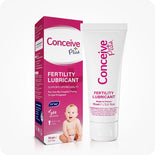
Conceive Plus fertility lubricant was developed with fertility science at its core. While most lubricants are formulated by personal care chemists with comfort as the sole goal, Conceive Plus was designed in collaboration with reproductive specialists to meet strict criteria for sperm safety while also providing effective lubrication.
The Calcium and Magnesium Difference
What truly distinguishes Conceive Plus from other fertility lubricants on the market — including Pre-Seed — is the addition of physiological concentrations of calcium and magnesium ions.
These minerals are naturally present in fertile cervical mucus and play active roles in supporting sperm function. Calcium ions are essential for the acrosome reaction — the process by which sperm penetrates the egg's zona pellucida during fertilisation. Magnesium supports sperm motility and energy metabolism. By including these ions, Conceive Plus doesn't just avoid harming sperm — it actively supports their function.
Matching the Fertile Environment
Conceive Plus is formulated to precisely mimic the composition of fertile cervical mucus:
- pH: 7.2–8.2 (matching the fertile cervical mucus environment)
- Osmolality: Within the WHO-recommended range (iso-osmotic with sperm)
- Ions: Physiological calcium and magnesium concentrations
- Texture: The fluid consistency of fertile cervical mucus
Clinical and Regulatory Recognition
Conceive Plus lubricant is FDA-cleared as a medical device, having met the regulatory standard for sperm-safe lubrication. It has been tested in clinical settings and is used and recommended by fertility clinics, reproductive endocrinologists, and OB/GYNs worldwide.
When Is a Fertility Lubricant Most Important?
Fertility lubricants are particularly important in several situations:
Vaginal Dryness from Stress or Hormonal Changes
The stress and scheduling demands of trying to conceive can significantly reduce natural arousal and vaginal lubrication. Timed intercourse — sex on a specific schedule — often occurs when couples are stressed and under pressure, reducing the natural lubrication that would occur with spontaneous arousal.
Clomid or Letrozole Use
These ovulation-inducing medications commonly reduce cervical mucus production as a side effect. Women on clomiphene citrate often notice significantly reduced or thickened cervical mucus, making supplemental lubrication both more necessary and more important to choose correctly.
PCOS
Women with PCOS may have altered cervical mucus quality independent of medication effects, making fertility-friendly lubrication a sensible addition to their conception toolkit.
Perimenopause or Hormonal Imbalances
Reduced oestrogen levels — whether from perimenopause, athletic amenorrhoea, or other hormonal imbalances — can significantly impair cervical mucus production and quality, making supplemental lubrication helpful.
IUI Preparation
For couples using intrauterine insemination (IUI), the catheter insertion can cause discomfort, and lubricant may be used. It's critical that only sperm-safe lubricants are used in this context, as the lubricant will be in direct contact with the processed sperm.
Conceive Plus vs. Everyday Lubricants: A Comparison
| Feature | Conceive Plus | Standard Commercial Lubricants |
|---|---|---|
| pH | 7.2–8.2 (sperm-safe) | 3.5–6 (spermicidal range) |
| Osmolality | ISO-osmotic (280–380 mOsm/kg) | Often 1,000–8,000+ mOsm/kg |
| Ca²⁺/Mg²⁺ ions | Yes — supports sperm function | No |
| Glycerol | No (absent) | Often present at high concentrations |
| Sperm motility impact | Preserves motility | Reduces by 60–100% (most products) |
| FDA clearance as sperm-safe | Yes | No |
How to Use Conceive Plus Lubricant
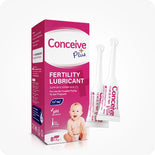
Conceive Plus is available in two formats to suit different preferences:
Tube format: Apply a small amount (quarter to half teaspoon) internally and/or to the opening of the vagina before intercourse. Warm between fingers before application if preferred.
Pre-filled applicators: Insert the applicator vaginally and dispense the Conceive Plus directly at the cervix before intercourse. This is ideal for ensuring the lubricant is positioned optimally at the cervical os, where it can most directly support sperm as they begin their journey.
Apply 5–15 minutes before intercourse for best results. There's no need to wash out Conceive Plus after use — it's designed to be safe for the reproductive tract and will be naturally cleared.
👉 Discover the fertility lubricant that works with your biology. Shop Conceive Plus fertility lubricant at conceiveplus.in/collections/fertility-lubricants
The Complete Fertility Toolkit: Lubricant + Supplements
A fertility lubricant supports conception by creating a hospitable environment for sperm during intercourse. But optimal fertility outcomes are built on a comprehensive foundation that includes:
- Targeted nutrition: Ensuring both partners have optimal levels of key fertility nutrients — folate, vitamin D, zinc, selenium, CoQ10, omega-3s, and antioxidants
- Cycle awareness: Timing intercourse based on ovulation tracking to ensure sperm are present when the egg is released
- Lifestyle optimisation: Reducing smoking, alcohol, excessive heat exposure, and other sperm/egg quality detractors
- Sperm-safe lubrication: Using Conceive Plus to ensure every act of intercourse gives sperm the best possible chance
The Conceive Plus range is designed to support every element of this toolkit, from fertility supplements for both women and men to our industry-leading fertility lubricant.
Frequently Asked Questions About Fertility Lubricants
Is Conceive Plus safe to use every time we have sex?
Yes. Conceive Plus is formulated to be safe for regular use and is compatible with the vaginal and reproductive tract environment. There's no reason to limit use to fertile days only, though couples who wish to conserve the product often focus use around their fertile window.
Can I use Conceive Plus with condoms?
Water-based lubricants including Conceive Plus are safe with latex condoms. However, if you're trying to conceive, you likely won't be using condoms — so this is mainly relevant for occasional use when contraception is desired.
Does Conceive Plus guarantee pregnancy?
No lubricant can guarantee pregnancy — conception depends on many factors including sperm quality, egg quality, timing, and overall reproductive health. What Conceive Plus does is ensure that lubrication is not a factor working against you. By preserving sperm viability instead of damaging it, it gives every act of intercourse the best possible chance.
Is it safe to use Conceive Plus if we're also doing IUI?
Yes. Conceive Plus is specifically formulated to be safe in the context of fertility treatment. Always inform your clinic of any products you're using.
Can men use Conceive Plus before masturbating for a semen sample?
Yes — Conceive Plus is safe to use as a masturbation aid when providing a semen sample, as it doesn't impair sperm motility or function. This is one advantage over other lubricants, which can contaminate samples and produce artificially low motility readings.
How is Conceive Plus different from other lubricants marketed as "fertility friendly"?
The calcium and magnesium ion content is the key differentiator. Other fertility lubricants — including Pre-Seed — meet the basic criteria of appropriate pH and osmolality but don't include these ions. Conceive Plus goes further by actively supporting sperm function rather than simply not harming it.
How long can I use Conceive Plus before getting help from a fertility specialist?
Using Conceive Plus doesn't substitute for medical fertility assessment when it's appropriate. General guidelines: if you're under 35 and have been trying for 12 months without success (or 6 months if over 35), consult a fertility specialist. Using the right tools — including fertility-friendly lubrication — optimises your natural conception chances while you're trying.
Is Conceive Plus available in India?
Yes! Conceive Plus is available for couples across India. Visit conceiveplus.in for the full range of fertility lubricants and supplements.
Making Every Moment Count on Your Fertility Journey
When you're trying to conceive, every detail matters — and the lubricant you use during intercourse is a detail that too many couples overlook. The research is clear: most commercial lubricants significantly harm sperm, and this harm is entirely avoidable by switching to a properly formulated fertility lubricant.
Conceive Plus represents the gold standard in fertility-friendly lubrication — formulated not just to be neutral toward sperm, but to actively support the conditions needed for successful fertilisation. Combined with Conceive Plus fertility supplements for both you and your partner, you have a comprehensive, science-backed approach to optimising your natural fertility.
Don't let an avoidable variable work against you. Make the switch to Conceive Plus and give your sperm the environment they need to reach their destination.
👉 Shop Conceive Plus fertility lubricant and supplements in India. Visit conceiveplus.in/collections/fertility-lubricants to start your order today.
Ready to support your fertility journey? Shop Conceive Plus Fertility Lubricant India →