
PCOS and Fertility: A Comprehensive Guide to Understanding and Managing Polycystic Ovary Syndrome
Understanding PCOS and Its Impact on Fertility
Polycystic ovary syndrome (PCOS) is the most common endocrine disorder affecting women of reproductive age, impacting approximately 8–13% of women worldwide. It is also the leading cause of ovulatory infertility — meaning that for many women with PCOS, the primary barrier to conception is the absence or irregularity of ovulation.
PCOS is a complex condition with hormonal, metabolic, and reproductive dimensions. Understanding how PCOS affects your body — and which treatments are available — is the first step toward a successful fertility journey. The good news is that PCOS-related infertility is among the most treatable forms of infertility, and many women with PCOS go on to conceive with appropriate support.
This guide covers the relationship between PCOS and fertility, the mechanisms behind ovulatory dysfunction, and the full range of treatment options available.
What Is PCOS?
Supporting Your Fertility Journey
Conceive Plus products are formulated by fertility specialists to work with your body — not against it. From fertility-friendly lubricants clinically tested to match the pH and osmolality of fertile cervical mucus, to targeted nutritional supplements for both men and women, our range supports every step of your conception journey.
PCOS is diagnosed based on the presence of at least two of three criteria (known as the Rotterdam criteria):
- Irregular or absent ovulation: Long, unpredictable cycles (over 35 days) or no periods at all. Without ovulation, pregnancy cannot occur naturally.
- Clinical or biochemical signs of hyperandrogenism: Elevated male hormones (testosterone, androstenedione) that may cause symptoms such as acne, hirsutism (excess facial or body hair), and male-pattern hair loss.
- Polycystic ovaries on ultrasound: Presence of 12 or more follicles (immature eggs) in each ovary, or an ovarian volume greater than 10 mL, as seen on transvaginal ultrasound.
In addition to these diagnostic criteria, many women with PCOS also have insulin resistance — a condition in which the body's cells do not respond properly to insulin, leading to high insulin levels. High insulin drives the ovaries to produce more androgens, worsening the hormonal imbalance and further disrupting ovulation.
How PCOS Affects Fertility
Ovulatory Dysfunction
The primary mechanism by which PCOS affects fertility is through disruption of normal ovulation. In a normal menstrual cycle, a single dominant follicle matures and releases an egg. In PCOS, the ovaries contain many small follicles (often described as a string of pearls on ultrasound), but hormonal signals are disrupted, and no single follicle matures to the point of ovulation.
This means women with PCOS may ovulate infrequently (oligo-ovulation) or not at all (anovulation). Without ovulation, the egg is never released, and conception cannot occur naturally.
Hormonal Imbalance
Elevated levels of luteinising hormone (LH) and insulin stimulate the ovaries to produce excess androgens (male hormones). These elevated androgens further disrupt the normal feedback loop between the brain, pituitary gland, and ovaries, perpetuating the cycle of anovulation.
Endometrial Health
Women with PCOS who experience long intervals between periods may have infrequent shedding of the uterine lining. This can lead to endometrial hyperplasia (thickening), which may affect implantation and, over the long term, increase the risk of endometrial cancer. Managing cycle regularity is therefore important for both fertility and long-term health.
Egg Quality
Some studies suggest that the metabolic environment in PCOS — including high insulin and oxidative stress — may affect egg quality, particularly in women who also have obesity. Improving metabolic health through lifestyle changes can positively influence egg quality and IVF outcomes.
Lifestyle Management for PCOS and Fertility
For many women with PCOS, lifestyle changes are the most powerful first step. Even modest improvements can restore ovulation and improve fertility outcomes.
Weight Management
Women with PCOS who carry excess weight (particularly abdominal fat) often find that losing just 5–10% of their body weight can restore regular ovulation. Weight loss improves insulin sensitivity, reduces androgen levels, and can restart ovulation even without medication. A 2015 study in Human Reproduction Update found that lifestyle interventions leading to 5–10% weight loss resulted in ovulation resumption in 50–80% of women with PCOS.
Dietary Approaches
An anti-inflammatory, low-glycaemic diet that stabilises blood sugar is particularly beneficial for PCOS. Key principles include:
- Emphasising whole foods with a low glycaemic index (non-starchy vegetables, legumes, whole grains, lean proteins)
- Reducing refined carbohydrates, sugar, and ultra-processed foods
- Including healthy fats (avocado, olive oil, nuts, seeds, fatty fish) to support hormone production
- Adequate protein at each meal to stabilise blood sugar
- Regular meals to avoid large blood sugar spikes
Exercise
Both aerobic exercise and resistance training improve insulin sensitivity in women with PCOS. The recommendation is 150–250 minutes of moderate-intensity exercise per week, combining cardiovascular work with strength training.
Supplements for PCOS
Myo-inositol is the most studied supplement for PCOS, with multiple randomised controlled trials showing it improves insulin sensitivity, reduces androgen levels, and restores ovulation. Typical dosing is 2–4 grams of myo-inositol (often combined with 400 mcg of folic acid) daily.
Vitamin D: Many women with PCOS are vitamin D deficient, and supplementation can improve insulin sensitivity and metabolic health.
Omega-3 fatty acids: Reduce inflammation and improve metabolic parameters in PCOS.
CoQ10: Supports mitochondrial function and may improve egg quality.
Medical Treatments for PCOS-Related Infertility
When lifestyle changes alone do not result in regular ovulation, medical treatments can help.
Ovulation Induction Medications
- Letrozole (Femara): An aromatase inhibitor that is now considered first-line treatment for ovulation induction in PCOS. Multiple studies show that letrozole achieves higher live birth rates than clomiphene citrate in women with PCOS.
- Clomiphene citrate (Clomid): A selective oestrogen receptor modulator that has been used for decades. Success rates are good, though slightly lower than letrozole in PCOS.
- Metformin: An insulin-sensitising medication that can help restore ovulation in some women with PCOS, particularly those with insulin resistance. It is sometimes used alone or in combination with letrozole or clomiphene.
Intrauterine Insemination (IUI)
IUI combined with ovulation induction can improve pregnancy rates by placing washed, concentrated sperm directly into the uterus at the time of ovulation.
In Vitro Fertilisation (IVF)
IVF is used when other treatments are unsuccessful or when additional fertility factors are involved. Women with PCOS often respond well to ovarian stimulation — in fact, they may be at risk of ovarian hyperstimulation syndrome (OHSS), so careful monitoring and adjusted medication protocols are important. IVF success rates in women with PCOS are generally comparable to or better than women without PCOS, particularly in younger age groups.
The Role of Fertility-Friendly Lubricants
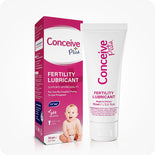
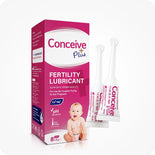
Women with PCOS often have irregular cycles and may benefit from precise tracking of ovulation once it resumes. During the fertile window, using a sperm-friendly lubricant ensures that your efforts are not undermined by a lubricant that impairs sperm motility. Conceive Plus Fertility Lubricant is clinically tested to match the pH and osmolality of fertile cervical mucus, providing a supportive environment for sperm during intercourse.
Frequently Asked Questions About PCOS and Fertility
Can I get pregnant naturally with PCOS?
Yes, many women with PCOS conceive naturally, especially with lifestyle modifications and/or ovulation induction. The key is restoring ovulation through weight management, diet, medication, or a combination.
Does PCOS affect egg quality?
While women with PCOS produce many follicles, egg quality can be affected by the metabolic environment. Improving insulin sensitivity and metabolic health can positively influence egg quality.
Is PCOS hereditary?
PCOS has a strong genetic component. Women with a mother or sister who has PCOS are at higher risk of developing the condition.
Can diet alone treat PCOS infertility?
For some women, dietary changes and weight loss alone are sufficient to restore ovulation. For others, medication is also needed.
How long does it take for lifestyle changes to improve PCOS fertility?
Many women see improvements in cycle regularity within 3–6 months of sustained lifestyle changes. Weight loss of 5–10% can restore ovulation in 50–80% of women with overweight or obesity.
What is the success rate of letrozole for PCOS?
Live birth rates with letrozole in women with PCOS are approximately 20–25% per cycle, and cumulative pregnancy rates are high over 3–6 cycles.
Does metformin help with PCOS fertility?
Metformin can help restore ovulation in some women, particularly those with insulin resistance. It is most effective when used in combination with lifestyle changes.
Can I do IVF with PCOS?
Yes, IVF is an effective treatment for PCOS-related infertility. Women with PCOS often produce many eggs in response to stimulation, though monitoring for OHSS is important.
Does PCOS increase miscarriage risk?
Some studies suggest a slightly increased risk of early miscarriage in women with PCOS, possibly related to metabolic factors. Optimising metabolic health before pregnancy may reduce this risk.
What Conceive Plus products support PCOS fertility?
Conceive Plus Women's Ovulation Support (with myo-inositol, folic acid, vitamin D, and CoQ10) provides targeted nutritional support for women with PCOS. Conceive Plus Fertility Lubricant provides a sperm-friendly environment during the fertile window.
Take the Next Step in Your Fertility Journey
Whether you are just beginning to try or have been navigating fertility challenges for a while, Conceive Plus has evidence-based products designed to support you. Trusted by thousands of couples worldwide.