
Fertility Diet for Indian Couples: Foods That Boost Conception and Improve Reproductive Health
Fertility Diet for Indian Couples: Foods That Boost Conception and Improve Reproductive Health
India has one of the world's richest culinary traditions — and increasingly, nutritional science is revealing that many of the foods and dietary patterns central to Indian cuisine have profound benefits for reproductive health. For couples trying to conceive, understanding the relationship between diet and fertility is both empowering and practical: the foods you eat every day directly influence the hormonal environment, egg and sperm quality, and the body's ability to sustain early pregnancy.
According to the Indian Society of Assisted Reproduction, infertility affects approximately 10–14% of couples in India — with rates higher in urban areas likely due to lifestyle factors including diet, stress, and environmental exposures. Whether you're just beginning your conception journey or have been trying for some time, optimising your nutrition is one of the most impactful steps you can take.
This guide explores the science of fertility nutrition through the lens of Indian dietary culture — combining evidence from global reproductive medicine research with the richness of Indian ingredients and culinary traditions.
How Nutrition Affects Fertility in Men and Women
The connection between nutrition and fertility operates through multiple biological pathways. Understanding these mechanisms helps explain why specific dietary choices matter:
Hormonal regulation: Many reproductive hormones — including oestrogen, progesterone, testosterone, FSH (follicle-stimulating hormone), and LH (luteinising hormone) — are influenced by dietary factors. Insulin levels, which are directly shaped by carbohydrate intake and dietary glycaemic load, are particularly important: elevated insulin disrupts ovulation in women and testosterone production in men. A diet that supports stable blood sugar is foundational for hormonal balance.
Egg quality: Oocyte (egg) quality is heavily influenced by the nutritional and oxidative environment within the follicle. The follicular fluid surrounding a developing egg is directly affected by maternal nutritional status. Research has found that higher antioxidant levels in follicular fluid correlate with better egg quality and higher fertilisation rates. Nutrients such as CoQ10, vitamin C, vitamin E, selenium, and zinc protect developing eggs from oxidative damage.
Sperm health: Sperm production (spermatogenesis) is a continuous process taking approximately 72–90 days, making it highly responsive to dietary and lifestyle changes. The testes and seminal plasma are particularly rich in zinc and antioxidants — nutrients that are both essential for sperm production and sensitive to dietary deficiency. Oxidative stress is implicated in 30–80% of male infertility cases, and dietary antioxidants are the primary defence against this damage.
Uterine receptivity: For a fertilised embryo to implant successfully, the uterine lining must be adequately prepared. Omega-3 fatty acids, vitamin D, and folate all play roles in endometrial health and receptivity.
Mitochondrial function: Both egg and sperm development are extremely energy-intensive. Mitochondrial health — supported by CoQ10, B vitamins, iron, and magnesium — is essential for cellular energy production and directly influences reproductive cell quality.
Top Fertility-Boosting Foods in Indian Cuisine
Recommended by Fertility Experts
Conceive Plus Fertility Supplements
Nourish your fertility from within. Our supplements are formulated with key vitamins and minerals proven to support reproductive health.
Shop Now →The good news for Indian couples is that many traditional foods are exceptionally supportive of fertility. Here are the standout fertility foods readily available in India:
Leafy Green Vegetables (Palak, Methi, Sarson): Spinach, fenugreek leaves, and mustard greens are among the richest vegetable sources of folate (vitamin B9), essential for egg development and neural tube formation in early pregnancy. Folate deficiency is associated with poor egg quality and increased miscarriage risk. These vegetables also provide iron, magnesium, and vitamin K. Cooking with a small amount of fat improves absorption of fat-soluble nutrients.
Lentils and Legumes (Dal, Rajma, Chana): Dals — particularly moong, masoor, and urad — are excellent plant-based sources of folate, iron, zinc, and protein. A comprehensive 2018 study from Harvard found that women who consumed higher amounts of plant protein (versus animal protein) had a significantly lower risk of ovulatory infertility. The variety of legumes in Indian cuisine makes meeting protein needs while supporting fertility nutrition very achievable.
Turmeric (Haldi): Curcumin, the active compound in turmeric, is a potent anti-inflammatory and antioxidant with emerging evidence of fertility benefits. Research published in the Journal of Reproductive Medicine found that curcumin may support implantation by reducing endometrial inflammation. Traditional Ayurvedic medicine has long valued turmeric for reproductive health — a view now receiving scientific validation. Pair turmeric with black pepper and a fat source to maximise curcumin absorption.
Sesame Seeds (Til): Sesame seeds are a uniquely Indian fertility superfood. They are rich in zinc (critical for both egg and sperm quality), selenium, and lignans — plant compounds that support oestrogen balance. A tablespoon of sesame seeds daily — whether in chutney, in rotis, or sprinkled over dal — provides a meaningful nutrient contribution.
Ghee (Clarified Butter): Traditional Indian ghee contains fat-soluble vitamins (A, D, E, K2) and medium-chain fatty acids that support hormonal production. Many reproductive hormones are cholesterol-derived, and appropriate dietary fat intake is essential for their synthesis. Modern fear of fats, particularly in fertility patients, can be counterproductive — quality fats from sources like ghee (in moderation), coconut oil, and nuts are supportive of hormonal health.
Pumpkin Seeds (Kaddu ke Beej): One of the richest plant sources of zinc — a single 30g serving provides approximately 3 mg of zinc. Zinc is essential for testosterone production in men, follicle development in women, and sperm formation. Pumpkin seeds also provide magnesium, omega-3s, and antioxidants. Easy to add to trail mixes, chutneys, or as a garnish on sabzis.
Amla (Indian Gooseberry): Amla is one of the richest natural sources of vitamin C, with a single fruit containing approximately 600–700 mg. Vitamin C is a critical antioxidant in both follicular fluid and seminal plasma, protecting eggs and sperm from oxidative damage. Traditional Ayurvedic texts consider amla a reproductive tonic — a characterisation supported by modern research showing its antioxidant effects on reproductive tissues.
Walnuts (Akhrot): The only tree nut that is a meaningful source of plant-based omega-3 (ALA). A 12-week randomised controlled trial from the University of California found that men who added 75g of walnuts daily to their diet had significant improvements in sperm motility, morphology, and vitality compared to the control group. Walnuts also provide zinc, folate, and antioxidant polyphenols.
Pomegranate (Anar): Research from Queen Margaret University found that pomegranate juice significantly reduced sperm damage from oxidative stress and improved sperm quality. Pomegranates are also rich in punicalagins and anthocyanins that support uterine blood flow and endometrial health.
Full-Fat Dairy (Dahi, Paneer, Milk): Full-fat dairy — particularly dahi (yogurt) — contains fat-soluble reproductive vitamins and has been associated in Harvard research (the Nurses' Health Study) with reduced risk of ovulatory infertility. Dahi also provides probiotics that support gut health, which in turn influences hormonal regulation and inflammation. Choose traditional, minimally processed dairy over highly refined versions.
Foods to Avoid When Trying to Conceive
Just as some foods support fertility, others can actively impair it:
Refined carbohydrates and sugary foods: Maida (refined wheat flour) in parathas, bread, biscuits, and fast food; white rice in excess; packaged snacks and sweets — all cause rapid blood sugar spikes and insulin surges that disrupt the hormonal environment critical for ovulation and sperm production.
Trans fats: Found in vanaspati (hydrogenated vegetable oil), commercially fried street foods, packaged biscuits, and margarines. Trans fats are associated with significantly increased risk of ovulatory infertility. A Harvard study found that women who consumed just 2% more calories from trans fats had a 73% higher risk of infertility from ovulation problems.
Excess alcohol: Even moderate alcohol consumption has been associated with reduced fertility in both men and women. Alcohol disrupts hormonal signalling, reduces sperm quality, and increases miscarriage risk. When trying to conceive, limiting alcohol significantly or abstaining is strongly advisable.
Excess caffeine: Studies suggest that consuming more than 200–300 mg of caffeine daily (approximately 2–3 cups of tea or 1–2 cups of coffee) may increase time to conception and miscarriage risk. Indian chai, while generally lower in caffeine than filter coffee, should still be consumed in moderation.
Highly processed meats: Packaged salami, sausages, and other processed meats contain preservatives, nitrates, and saturated fats that have been associated with lower sperm quality in multiple studies.
Pesticide-heavy produce: Certain conventionally grown produce may carry higher pesticide residue levels. Pesticides with endocrine-disrupting properties can affect hormonal balance. When possible, choose organic versions of high-residue produce or wash thoroughly.
The Mediterranean Diet and Fertility: Adapting It for India
The Mediterranean diet — consistently ranked as one of the most fertility-supportive eating patterns in global research — emphasises vegetables, legumes, whole grains, olive oil, nuts, fish, and moderate dairy. The good news is that its principles translate very naturally to Indian cooking:
Vegetables and legumes: Already central to Indian cuisine. Eat a rainbow of vegetables daily — sabzis, curries, and salads. Include at least one dal or legume dish per day.
Whole grains: Choose whole wheat atta over maida, brown rice over white, and include millets (bajra, jowar, ragi) — ancient Indian grains with excellent nutritional profiles. Ragi (finger millet) in particular is high in calcium, iron, and antioxidants.
Healthy fats: Replace vanaspati with mustard oil, sesame oil, or coconut oil. Use ghee in moderation. Include nuts and seeds daily — almonds, walnuts, sesame, and pumpkin seeds are all fertility-supportive.
Fish: For non-vegetarians, include fatty fish (salmon, sardines, mackerel) 2–3 times per week for omega-3 DHA and EPA. River fish widely consumed in India (such as rohu and catla) are also reasonable omega-3 sources.
Reduce processed foods: Minimise packaged snacks, fast food, and commercial sweets. Cook at home using whole ingredients as much as possible.
A 2020 Indian study published in the Journal of the Obstetrics and Gynaecology of India found that adherence to a Mediterranean-style diet in Indian women undergoing IVF was associated with significantly higher clinical pregnancy rates compared to those following a Western-style dietary pattern.
Key Nutrients for Fertility and Where to Find Them
A quick reference to the most important fertility nutrients and their best Indian dietary sources:
Folate: Palak (spinach), methi (fenugreek leaves), moong dal, rajma (kidney beans), chana (chickpeas), broccoli, citrus fruits
Iron: Palak, dates (khajur), rajma, lentils, tofu, jaggery (gud) — pair with vitamin C sources to maximise absorption
Zinc: Pumpkin seeds, sesame seeds, legumes, nuts, and for non-vegetarians: meat, shellfish
Selenium: Brazil nuts (2 per day provides RDA), sunflower seeds, whole grains, garlic
Omega-3 (ALA): Walnuts, flaxseeds (alsi), chia seeds, mustard seeds
Omega-3 (DHA/EPA): Fatty fish; algae-based supplements for vegetarians and vegans
Vitamin D: Sunlight (the primary source — 15–30 minutes daily); mushrooms exposed to sunlight; fatty fish; egg yolk
Vitamin C: Amla, guava, citrus fruits, capsicum (especially yellow), tomatoes
CoQ10: Found in modest amounts in beef, sardines, and cauliflower; supplementation is typically required for therapeutic doses
Iodine: Iodised salt (ensure you use iodised salt), seafood, dairy products
Traditional Indian Herbs and Fertility
India's ancient Ayurvedic medical tradition includes several herbs used for centuries for reproductive support. While traditional use cannot replace rigorous clinical evidence, some of these herbs are now receiving scientific scrutiny:
Ashwagandha (Withania somnifera): Widely used in Ayurveda as a reproductive tonic (rasayana) for both men and women. Multiple clinical trials have found ashwagandha supplementation in men significantly improves sperm count, motility, and testosterone levels. A 2010 study in Fertility and Sterility found that 3 months of ashwagandha root powder supplementation in infertile men produced significant improvements in all sperm parameters and reduced oxidative stress biomarkers. For women, ashwagandha's adaptogenic properties help manage stress, which can disrupt hormonal cycles.
Shatavari (Asparagus racemosus): Perhaps the most revered Ayurvedic herb for female reproductive health, shatavari has been used for generations to support ovulation, hormonal balance, and uterine health. Early research suggests it may support FSH levels and improve follicular development, though high-quality clinical trials remain limited. It is generally considered safe in recommended doses.
Gokshura (Tribulus terrestris): Used in Ayurveda for male reproductive support. Some small studies suggest it may improve testosterone levels and sperm quality, though evidence is not yet conclusive. More research is needed before strong recommendations can be made.
Turmeric (Curcuma longa): As discussed above, curcumin in turmeric has antioxidant and anti-inflammatory properties that support both male and female fertility. Unlike some other Ayurvedic herbs, the evidence base for turmeric's anti-inflammatory effects is among the strongest in natural medicine research.
Important: If considering traditional herbal supplements, consult an Ayurvedic practitioner or reproductive endocrinologist. Some herbs can interact with fertility medications, and quality can vary significantly between products.
Conceive Plus Nutritional Support for Fertility
While a well-planned diet forms the foundation of fertility nutrition, achieving optimal levels of all key nutrients through diet alone can be challenging — particularly for specific nutrients like CoQ10 (which would require eating impractical quantities of organ meats), methylfolate in adequate doses, and DHA omega-3 from plant sources.
Conceive Plus offers scientifically formulated supplements designed to complement a fertility-supportive diet and fill nutritional gaps:
Conceive Plus Women's Fertility Support Multivitamin: Contains methylfolate (bioavailable form of folate), vitamin D3, zinc, selenium, CoQ10, and omega-3 DHA — the core fertility-supporting nutrients for women, in evidence-based forms and doses. Designed to complement rather than replace dietary nutrition.
Conceive Plus Prenatal Essential Nutrients: Combines DHA, choline, methylfolate, and key micronutrients for women transitioning to pregnancy. Choline is particularly important — studies show it supports foetal brain development and the majority of pregnant women in India do not meet adequate choline intake from diet alone.
Conceive Plus Men's Fertility Support Multivitamin: Provides zinc, selenium, CoQ10, L-carnitine, vitamins C and E, and folate — addressing the antioxidant and micronutrient needs most critical for sperm quality, count, and motility.
Conceive Plus Ovulation Support (Myo-Inositol): For women with PCOS — a particularly common condition in India, where studies suggest a prevalence of 20–25% among urban women — myo-inositol and D-chiro-inositol supplementation is one of the most evidence-supported interventions for improving ovulation and hormonal balance.
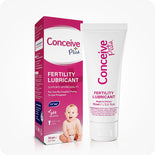
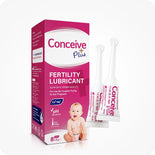
Conceive Plus Fertility Lubricant: Helps ensure that sperm are protected during intercourse. Many common oils and lubricants used in India — including coconut oil and saliva — have been shown in research to significantly reduce sperm motility. Conceive Plus Fertility Lubricant is clinically formulated to match fertile cervical mucus, supporting (not harming) sperm on their journey.
Frequently Asked Questions About Fertility Diet
Q: Is a vegetarian diet compatible with good fertility nutrition?
A: Yes — India's rich vegetarian culinary tradition provides many of the key fertility nutrients. The main nutrients to watch are vitamin B12 (found only in animal products; supplement if vegetarian), omega-3 DHA (plant sources provide ALA with poor DHA conversion; consider algae-based DHA), zinc (bioavailability lower from plant sources; optimise intake or consider supplementation), and vitamin D (supplement if sun exposure is limited).
Q: Can eating ghee really help fertility?
A: In moderation, yes. Ghee provides fat-soluble vitamins (A, D, K2) and healthy saturated fats needed for reproductive hormone production. The key is quality and moderation — traditionally used ghee in cooking as part of a balanced diet is supportive. Excessive consumption is not.
Q: My doctor says I have low AMH. Can diet improve this?
A: AMH (anti-Müllerian hormone) is a marker of ovarian reserve and reflects the number of follicles available. While diet cannot significantly increase the total follicle count, nutritional optimisation — particularly CoQ10, vitamin D, and DHEA under medical supervision — may improve the quality of remaining follicles and ovarian response. Discuss your AMH result with a reproductive endocrinologist.
Q: How long should we follow a fertility diet before trying to conceive?
A: Ideally, begin 3–6 months before actively trying to conceive. This gives dietary changes time to improve egg quality (maturation takes 3 months) and sperm quality (spermatogenesis takes 72–90 days). However, starting now is always better than not starting — even improvements made during an active conception cycle have value.
Q: Is it safe to eat raw papaya when trying to conceive?
A: Unripe (raw) papaya is traditionally avoided in India during early pregnancy, and this caution has some scientific basis — unripe papaya contains papain (a proteolytic enzyme) and latex that may have uterotonic effects. While evidence for significant risk at typical dietary quantities is limited, avoiding unripe papaya while trying to conceive or in early pregnancy is a reasonable precaution.
Q: Can drinking warm milk with turmeric (haldi doodh) help fertility?
A: "Golden milk" — warm milk with turmeric — combines the anti-inflammatory benefits of curcumin with the nutritional profile of dairy. Adding black pepper and a small amount of fat (already present in full-fat milk) significantly improves curcumin absorption. This traditional remedy has genuine nutritional merit and is a supportive addition to a fertility-focused diet.
Q: Are there foods that specifically increase sperm count for Indian men?
A: Pumpkin seeds, walnuts, pomegranate, sesame seeds, and dark leafy greens are particularly beneficial for sperm quality. Reducing refined carbohydrates, alcohol, and processed foods has also been shown to improve sperm parameters. Ashwagandha has the strongest clinical evidence among Indian herbs for male fertility.
Q: Should I avoid soy products when trying to conceive?
A: Soy contains phytoestrogens, which in very high amounts could theoretically affect hormonal balance. However, at typical dietary levels consumed in Indian cuisine (soy milk, tofu, edamame), there is no convincing evidence of harm to fertility in humans. Women who consume soy in moderate, traditional dietary amounts need not be concerned.
Nourishing Your Fertility Journey the Indian Way
India's dietary traditions offer a remarkable foundation for fertility nutrition. The pulses, spices, greens, seeds, and wholesome fats of traditional Indian cooking align closely with what reproductive science tells us supports optimal fertility. By building on this foundation — reducing processed foods and refined carbohydrates, maximising antioxidant-rich whole foods, and addressing specific nutritional gaps with targeted supplementation — you give your body the best possible nutritional environment for conception.
Conceive Plus supports your fertility journey with clinically formulated supplements that complement a fertility-focused Indian diet — filling the gaps that even the most thoughtful dietary approach may leave. Together, a nourishing diet and targeted supplementation provide the comprehensive nutritional foundation your body needs to conceive and sustain a healthy pregnancy.
This article is for informational purposes only and should not be used as a substitute for professional medical advice. If you have been trying to conceive for more than 12 months (6 months if over 35), consult a qualified gynaecologist or reproductive medicine specialist. Both AIIMS (All India Institute of Medical Sciences) and IVF clinics registered with ICMR guidelines provide fertility evaluation and treatment across India.
Trusted by Couples in Over 70 Countries
Begin Your Conception Journey with Confidence
Trusted by couples across India and around the world. Explore the Conceive Plus range, designed to support your fertility naturally.
Explore the Range →