
Fertility Lubricant: Why It Matters for Conception and How to Choose the Right One
Fertility Lubricant: Why It Matters for Conception and How to Choose the Right One
Vaginal dryness during intercourse is an extremely common experience, particularly during the high-frequency timed intercourse that trying to conceive (TTC) requires. Yet many couples are unaware that the lubricant they reach for — or even natural alternatives like saliva or coconut oil — can significantly harm sperm, reducing their chances of conception. Understanding what makes a fertility lubricant genuinely sperm-safe, and why products like Conceive Plus stand apart, can make a real difference to your conception journey.
The Problem with Ordinary Lubricants When Trying to Conceive
Most commercially available personal lubricants are formulated for general use — primarily comfort and sensation. They are not designed with sperm biology in mind. Studies examining the effect of common lubricants on sperm reveal a troubling picture:
- KY Jelly: Reduces sperm motility by up to 60% within 30 minutes of exposure
- Astroglide: Reduces sperm motility by over 60% and sperm survival rates dramatically within 60 minutes
- Saliva: Contains enzymes, bacteria, and an acidic pH that damages sperm DNA and reduces motility by up to 85%
- Coconut oil: While popular as a "natural" lubricant, it has been shown to reduce sperm motility by approximately 50% in laboratory studies
- Baby oil/mineral oil: Similarly harmful to sperm motility
The mechanisms of harm include:
- pH mismatch: Most lubricants are acidic (pH 3.8–4.5), mimicking the normal vaginal environment that keeps bacteria in check. But this acidity is lethal to sperm, which require a pH of 7.0–8.5 to survive
- Hyperosmolality: Many lubricants are hyperosmotic relative to seminal fluid — they draw water out of sperm cells through osmosis, causing cellular damage and death
- Chemical ingredients: Parabens, glycerin, propylene glycol, and certain preservatives in mainstream lubricants have direct spermicidal effects
What Is a True Fertility Lubricant?
Ready to support your fertility journey?
Shop Conceive Plus Now →A genuine sperm-friendly lubricant must meet specific physiological criteria to be safe for use while trying to conceive:
pH Range: 7.0–8.5
Fertile cervical mucus — the natural lubricant produced by the cervix during the fertile window — has a pH of 7.0–8.5. This alkaline environment neutralises the acidic vaginal environment and creates a welcoming channel for sperm. A true fertility lubricant must match this pH range precisely.
Isotonic Osmolality
The osmolality of fertile cervical mucus is approximately 280 mOsm/kg — essentially isotonic with seminal plasma. A fertility lubricant must match this osmolality to prevent osmotic damage to sperm cell membranes.
Sperm-Safe Ingredients
No parabens, no glycerin, no propylene glycol, no chlorhexidine or other biocidal preservatives. The ingredient list of a fertility lubricant should be specifically reviewed for spermicidal compounds.
Supported by Clinical Evidence
The gold standard for a fertility lubricant is an independent study demonstrating that sperm motility and viability are maintained in the presence of the lubricant under laboratory conditions.
Conceive Plus: The Clinical Standard in Fertility Lubricants
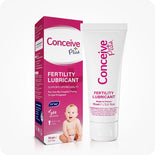
Conceive Plus fertility lubricant was developed in partnership with fertility clinics and is the market leader in sperm-safe lubrication. Here is what sets it apart:
Clinically Validated Sperm Safety
Independent laboratory studies demonstrate that sperm motility and viability are maintained in Conceive Plus over the duration of the fertile window. This is not just a marketing claim — it is a testable, replicated outcome that distinguishes Conceive Plus from lubricants that merely avoid certain labelled warnings.
FDA-Cleared for Use While Trying to Conceive
Conceive Plus holds FDA 510(k) clearance as a fertility-friendly personal lubricant. This regulatory clearance requires demonstration of safety and efficacy for sperm motility in a certified regulatory submission. It is the highest standard available for this product category in any market.
Calcium and Magnesium Ions
Uniquely among fertility lubricants, Conceive Plus includes calcium (Ca²⁺) and magnesium (Mg²⁺) ions in its formulation. These ions are present in fertile cervical mucus and play a role in sperm capacitation — the biochemical maturation process sperm must undergo before they can penetrate and fertilise an egg. No other leading fertility lubricant includes this ionic support.
pH and Osmolality Matched to Fertile Cervical Mucus
Conceive Plus is formulated at pH 7.0–8.5 and osmolality approximately 280 mOsm/kg — precisely matching the natural fertile cervical mucus environment. This means that using Conceive Plus during the fertile window mimics the natural biological conditions for optimal sperm function.
Globally Recommended by Fertility Clinics
Conceive Plus is recommended and used in fertility clinics across the United States, Europe, Australia, and Asia. It is the lubricant that reproductive endocrinologists recommend to couples undergoing timed intercourse alongside IVF and IUI cycles.
Shop Conceive Plus Fertility Lubricant in India →
When to Use a Fertility Lubricant
A fertility lubricant is appropriate whenever vaginal dryness affects comfort during intercourse in a TTC cycle. This is particularly common because:
- Not every woman produces abundant cervical mucus at peak fertility
- Stress, antihistamines, decongestants, some antidepressants, and high-frequency intercourse all reduce natural lubrication
- Clomiphene citrate (Clomid/Letrozole) used for ovulation induction can paradoxically reduce cervical mucus production
- The performance pressure of timed intercourse on a fertility schedule can reduce natural arousal-based lubrication
Use Conceive Plus as needed — there is no evidence that using it every cycle impairs conception, and clear evidence that the alternatives do.
How to Use Conceive Plus Fertility Lubricant
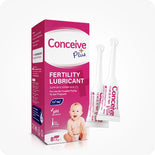
Conceive Plus is available in two formats:
Multi-Use Tube
Apply a small amount (approximately 2–5 mL) internally to the vagina and externally to both partners as needed before intercourse. The tube format allows flexible dosing and multiple uses.
Single-Use Applicators
Pre-filled disposable applicators deliver a measured 4g dose of lubricant directly into the vaginal canal before intercourse. This format is particularly popular for couples wanting consistent dosing and convenience during cycle tracking.
Both formats are equally effective. The applicator format is often preferred for use during ovulation-window intercourse when consistent internal application is desired.
Fertility Lubricant and Ovulation Timing
Combining Conceive Plus with accurate ovulation tracking maximises your effective fertile window. Use ovulation predictor kits (OPKs) to identify your LH surge — the 24–36 hour window before ovulation when sperm introduced to the reproductive tract have the best chance of meeting the egg. During this window:
- Confirm LH surge with OPK
- Use Conceive Plus lubricant during intercourse on the day of surge and the following day
- Avoid regular lubricants, saliva, or other alternatives
- Maintain 2–3 day abstinence beforehand to optimise sperm concentration
The Complete Conceive Plus Ecosystem for Indian Couples
For couples trying to conceive in India, Conceive Plus offers a comprehensive approach beyond just the lubricant:
Women's Fertility Supplements
Comprehensive prenatal and fertility supplement formulas with methylfolate, inositol, CoQ10, vitamin D, and minerals to support egg quality, ovulation, and uterine health.
Men's Fertility Supplements
Zinc, selenium, CoQ10, L-carnitine, vitamin C, and folate in therapeutic doses to improve sperm count, motility, and DNA integrity over a 90-day cycle.
Ovulation Tests
Accurate LH detection strips and digital tests to pinpoint your fertile window and time Conceive Plus use optimally.
Explore the Full Conceive Plus Range →
Common Questions About Fertility Lubricants in India
Q: Is it safe to use a lubricant while trying to conceive?
A: It depends on the lubricant. Most common lubricants harm sperm and should be avoided when TTC. A certified fertility lubricant like Conceive Plus — with proven sperm safety, appropriate pH and osmolality, and FDA clearance — is not only safe but can support conception conditions.
Q: Can I use coconut oil instead of a fertility lubricant?
A: Coconut oil is a popular alternative in India but is not recommended for TTC. Studies show it reduces sperm motility by approximately 50% within 30 minutes. Stick to clinically validated fertility lubricants.
Q: Does the lubricant help with conception or just comfort?
A: Primarily comfort — but comfort matters enormously. The main benefit is ensuring the lubricant does NOT harm sperm (unlike most alternatives). The calcium and magnesium ions in Conceive Plus provide additional physiological benefit to sperm function.
Q: Can I use Conceive Plus during IUI cycles?
A: Conceive Plus is used at fertility clinics and is compatible with IUI cycles. During IUI, the catheter delivers washed sperm directly into the uterus, bypassing the vaginal environment — but Conceive Plus can be used for natural timed intercourse in adjacent cycles without any concern.
Q: Are there any side effects of Conceive Plus?
A: Conceive Plus has an excellent safety profile. Rare reports of sensitivity to individual ingredients are possible, as with any topical product. It does not affect hormonal profiles, cycle regularity, or test results.
Q: How long does one tube last?
A: The 75mL tube typically provides 6–10 applications depending on the amount used per session. The single-use applicator 8-pack provides 8 precise applications — typically covering one full fertile window cycle with some remaining.
Q: Where can I buy Conceive Plus in India?
A: Conceive Plus is available at conceiveplus.in with delivery across India, as well as through selected pharmacies and fertility clinics.
Q: Can Conceive Plus help if I have PCOS or irregular cycles?
A: Yes — women with PCOS may have unpredictable ovulation and may produce less cervical mucus at fertile times. Conceive Plus can be used whenever timed intercourse occurs, regardless of cycle regularity. OPK testing is particularly important for women with PCOS to identify the actual fertile window.
Q: Does using a fertility lubricant every cycle reduce its effectiveness?
A: No — there is no evidence that consistent fertility lubricant use reduces its effectiveness or creates any form of tolerance or dependence. Use it as needed throughout your TTC journey.
Q: Is Conceive Plus different from regular Durex or Skore lubricants?
A: Significantly. Standard intimacy lubricants are acidic (pH 3.5–5) and hyperosmotic, both of which harm sperm. Conceive Plus is specifically formulated at fertility-matching pH (7.0–8.5), isotonic osmolality, with no spermicidal ingredients and the addition of ionic minerals that support sperm function. They serve fundamentally different purposes.
Conclusion: Don't Let the Wrong Lubricant Undermine Your TTC Efforts
The choice of lubricant is a small but genuinely impactful decision in your conception journey. Using the wrong product can silently reduce sperm quality at the very moment you need it at its best. Choosing Conceive Plus ensures that this variable is working for you, not against you — with clinically validated sperm safety, fertility-matched pH and osmolality, FDA clearance, and the unique addition of calcium and magnesium ions to support sperm capacitation.
Your fertility journey deserves every advantage. Make Conceive Plus part of yours.