
IVF Preparation in India 2026: Your Complete Step-by-Step Guide to Getting Ready
IVF Preparation in India 2026: Your Complete Step-by-Step Guide to Getting Ready
In vitro fertilisation (IVF) has transformed the lives of millions of families across India, and access to this technology has never been greater. India is now home to some of the world's leading fertility clinics, with IVF success rates at top centres comparable to the best in the world—and at a fraction of the cost available in Western countries. Whether you're based in Mumbai, Delhi, Bangalore, Chennai, or Hyderabad, world-class IVF care is within reach.
But the journey to a successful IVF outcome begins long before you walk into the clinic on stimulation day. Preparation—physical, nutritional, emotional, and logistical—can meaningfully influence your treatment outcomes. This comprehensive guide walks you through everything you need to know to prepare for IVF in India in 2026, helping you give your treatment the best possible chance of success.
Understanding the IVF Process: What to Expect
Before diving into preparation, it's helpful to understand what IVF actually involves. The process typically consists of these stages:
- Ovarian stimulation (8–14 days): Daily hormone injections (gonadotrophins) stimulate the ovaries to produce multiple eggs, rather than the usual one per cycle. Progress is monitored with blood tests and ultrasounds every 2–3 days.
- Egg retrieval (trigger + 36 hours): When follicles reach optimal size, a trigger injection is given. 36 hours later, eggs are retrieved under sedation in a minor surgical procedure lasting 15–30 minutes.
- Fertilisation and embryo culture (3–5 days): Retrieved eggs are fertilised with sperm in the laboratory. Resulting embryos are cultured for 3–5 days. Day 5 embryos (blastocysts) are generally preferred as they have higher implantation potential.
- Embryo transfer: One or more embryos are transferred into the uterus in a simple procedure, usually without sedation. In India, fresh transfers are common, though frozen embryo transfers (FET) are increasingly standard globally, especially after certain stimulation protocols.
- The two-week wait: Waiting approximately 10–14 days before a pregnancy test to allow implantation to occur and hCG levels to rise to detectable levels.
Understanding each stage helps you prepare not just physically but mentally—knowing what to expect reduces anxiety and helps you make informed decisions throughout the process.
Physical Preparation: Building the Best Foundation
Supporting Your Fertility Journey
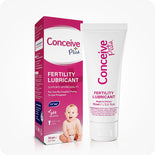
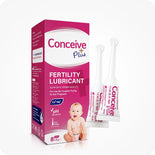
Conceive Plus offers an IVF-friendly lubricant and CoQ10 supplements specifically chosen to support couples preparing for IVF. Our lubricant is designed to be safe for sperm during the natural cycle period and mimics natural conditions, while our CoQ10 supplements support egg quality and mitochondrial energy production—factors that can influence IVF outcomes. Together, they provide complementary support as you prepare for treatment.
Physical preparation for IVF ideally begins 3–6 months before your cycle starts. The key areas to focus on:
- Achieve a healthy weight: BMI significantly affects IVF outcomes. Research consistently shows lower live birth rates in women with a BMI above 30 or below 18.5. A healthy BMI improves ovarian response to stimulation, egg quality, implantation rates, and reduces obstetric risks. Even a 5–10% reduction in weight for overweight women can meaningfully improve outcomes.
- Exercise appropriately: Regular moderate exercise (30 minutes of walking, yoga, or swimming most days) supports a healthy BMI, reduces insulin resistance, and helps manage stress. Avoid high-intensity exercise during ovarian stimulation and after embryo transfer—some evidence suggests very vigorous exercise may negatively impact IVF outcomes.
- Stop smoking: Smoking significantly reduces ovarian reserve, egg quality, and IVF success rates in women, and damages sperm DNA in men. Stopping at least 3 months before IVF is strongly recommended. Nicotine replacement therapy is an option to support quitting.
- Limit alcohol: Even moderate alcohol consumption has been associated with reduced IVF success rates in some studies. Most fertility specialists advise completely avoiding alcohol from the start of the stimulation cycle until the pregnancy test result.
- Review medications: Some medications (including certain herbal remedies popular in India) can interfere with fertility treatment. Provide your IVF doctor with a complete list of everything you take and get clearance before continuing.
- Treat underlying conditions: Thyroid disorders (very common in India), diabetes, PCOS, endometriosis, and other conditions should be optimally managed before IVF. Uncontrolled thyroid disease significantly reduces IVF success rates.
Nutritional Preparation for IVF
Nutrition plays a vital but often underappreciated role in IVF preparation. The quality of eggs retrieved, the development of embryos in the lab, and the receptivity of the uterus are all influenced by nutritional status in the months before treatment.
Key dietary principles for IVF preparation:
- Mediterranean-style diet: Research specifically examining diet and IVF outcomes has found that women following a Mediterranean diet in the months before IVF had significantly higher live birth rates. This diet emphasises vegetables, fruits, legumes, whole grains, fish, olive oil, and nuts—with limited red meat and processed foods.
- Indian diet adaptation: Traditional Indian cuisine can be highly fertility-supportive when focused on dal (lentils), sabzi (vegetable dishes), whole grain roti, curd (yoghurt), fish, and egg preparations. Reducing heavy deep-fried snacks, excessive ghee, and refined flour (maida) preparations supports better hormonal balance.
- Protein adequacy: Adequate protein intake supports egg quality and embryo development. Include protein at every meal—dal, paneer, curd, eggs, fish, chicken, and legumes are all excellent sources.
- Antioxidant-rich foods: Colourful vegetables and fruits provide the antioxidants that protect eggs and sperm from oxidative damage. Amla (Indian gooseberry) is particularly noteworthy—it contains extraordinarily high levels of vitamin C, one of the most powerful antioxidants for reproductive health.
- Limit ultra-processed foods: Packaged snacks, instant noodles, fast food, and other highly processed items provide calories with minimal nutritional benefit and contain additives that may affect hormonal health.
Key Supplements for IVF Preparation
Supplements can bridge the gap between dietary intake and optimal nutritional status for IVF. The following have the strongest evidence base:
- Folate/Methylfolate (women): Essential for all women trying to conceive and particularly important during IVF. Should be started at least 3 months before the cycle. The ICMR (Indian Council of Medical Research) recommends 400 mcg daily, rising to 500 mcg from the point of positive pregnancy test. Women with certain risk factors may need 5 mg daily—discuss with your doctor.
- CoQ10 (both partners): Coenzyme Q10 is one of the most evidence-supported supplements for IVF preparation. It supports mitochondrial energy production within egg cells—critical for egg quality and fertilisation. A landmark 2018 study showed improved ovarian response and egg quality in older women taking CoQ10 before IVF. For men, CoQ10 protects sperm from oxidative damage and improves motility. Standard doses range from 200–600 mg daily, taken 3 months before IVF.
- Vitamin D: Deficiency is extremely prevalent in India despite abundant sunshine, partly due to indoor lifestyles, sunscreen use, and dietary factors. Research shows vitamin D-deficient women have significantly lower IVF success rates. Get your vitamin D level tested (25-OH vitamin D) and supplement accordingly—aim for levels above 50 nmol/L.
- DHEA (for poor responders): Some IVF clinics recommend DHEA (dehydroepiandrosterone) supplementation for women with poor ovarian reserve, typically for 6–12 weeks before IVF. DHEA may improve ovarian response and egg quality in this population. This should only be taken under medical supervision.
- Omega-3 fatty acids (DHA/EPA): Support hormonal balance, reduce inflammation, and provide DHA critical for embryo development. Particularly important in vegetarian diets common in India, where fish intake may be low. Algal oil supplements provide DHA without fish.
- Iron: Iron deficiency anaemia is very prevalent in India, particularly among women. Anaemia can affect energy levels, immune function, and potentially IVF outcomes. Request an iron panel with your pre-IVF blood tests and address any deficiency promptly.
- Zinc (men): Critical for sperm production and testosterone synthesis. Many Indian men have suboptimal zinc intake. Zinc supplementation can improve sperm parameters within 3 months.
Emotional and Mental Preparation for IVF
IVF is not just a physical process—it is emotionally demanding in ways that are often underestimated. The daily injections, frequent clinic visits, hormonal fluctuations, financial pressure, and the high emotional stakes of the outcome all take a significant toll. Preparing mentally and emotionally for this journey is as important as physical preparation.
- Acknowledge the emotional weight: It's entirely normal to feel anxious, hopeful, fearful, and overwhelmed—sometimes all at once. Recognising and accepting these feelings is healthier than suppressing them.
- Communicate with your partner: IVF affects both partners, but often differently. Making time for open, honest conversations about fears, expectations, and how to support each other is vital. Some couples find couples counselling during IVF enormously helpful.
- Build a support system: Identify 1–2 trusted people outside your relationship who you can confide in. Many couples choose to keep IVF private, which can increase isolation. Having at least one confidant helps.
- Manage expectations: India's top IVF clinics have success rates of 50–60% per cycle for women under 35 with good ovarian reserve. For older women or those with diminished reserve, rates may be lower. Understanding realistic expectations prevents both false hope and premature despair.
- Plan for all outcomes: Before starting IVF, it's worth having honest conversations with your partner about how many cycles you're willing to attempt, what you would do if cycles fail, and what "moving forward" might look like for your family. These conversations are difficult but important.
- Stress management practices: Research on whether stress directly affects IVF outcomes is mixed, but stress management is undeniably beneficial for overall wellbeing during a difficult process. Yoga (widely practiced in India and specifically studied in IVF populations), meditation, mindfulness apps, and gentle walking are all evidence-based approaches.
Navigating IVF in India: Choosing a Clinic and Understanding Costs
India's IVF industry has grown enormously, with hundreds of clinics across the country. Quality varies—choosing the right clinic is one of the most important decisions you'll make. Key factors to consider:
- Success rates: Ask for clinic-specific success rates, broken down by age and diagnosis. Be cautious of clinics that cannot provide transparent data. The Indian Society of Assisted Reproduction (ISAR) maintains standards for accredited clinics.
- Laboratory quality: The IVF laboratory is where your embryos grow. Lab quality—equipment, culture media, embryologist expertise, air quality—directly impacts outcomes. Ask about the lab's accreditation and embryologist experience.
- Doctor expertise and continuity: Understanding who will perform your egg retrieval and transfer, and whether you'll see the same doctor throughout, is important. Some larger clinics use multiple doctors, which can affect continuity of care.
- Costs: IVF costs in India typically range from ₹1.5–2.5 lakhs per cycle at mid-range clinics, with premium clinics charging ₹3–5 lakhs. These figures generally don't include medications (an additional ₹50,000–1.5 lakhs depending on protocol). Clarify exactly what is included in quoted prices.
- Legal framework: The ART (Assisted Reproductive Technology) Regulation Act 2021 established the legal framework for IVF in India. Ensure any clinic you choose is registered with the National ART Registry under the National Board.
Major IVF hubs in India include Mumbai (Jaslok, Hinduja, Nova IVF), Delhi-NCR (Cloudnine, Sir Ganga Ram), Bangalore (Milann, Nova IVF), Chennai (GG, Srinivas), and Hyderabad (Oasis, Renew). Many international and NRI patients also travel to India specifically for IVF due to the combination of excellent care and lower costs.
The Male Partner's Role in IVF Preparation
IVF preparation is often discussed almost exclusively from the female perspective, but the male partner's contribution is equally critical. Sperm quality directly affects fertilisation rates, embryo quality, and live birth rates. Here's what men should do to prepare:
- Semen analysis: Ensure a recent, comprehensive semen analysis has been performed. If parameters are abnormal, investigate the cause—don't simply accept "we'll use ICSI" without understanding why sperm quality is reduced.
- Sperm DNA fragmentation testing: Particularly important for men with recurrent IVF failures or poor embryo quality. High DNA fragmentation may warrant specific interventions (antioxidant therapy, lifestyle changes, or surgical sperm retrieval for some men with very high DFI).
- Lifestyle optimisation: Stop smoking, limit alcohol, maintain a healthy weight, avoid hot baths and saunas (which elevate scrotal temperature and impair sperm production), and reduce recreational drug use. These changes take 3 months to fully manifest in sperm quality.
- Nutritional support: A diet rich in antioxidants, zinc, selenium, and omega-3s, supplemented with CoQ10 and vitamin C, provides the building blocks for healthy sperm.
- Emotional preparation: Men often feel sidelined during IVF—the treatment is largely experienced by the woman. Active participation, understanding, and emotional presence are among the most valuable contributions a male partner can make.
Frequently Asked Questions About IVF Preparation in India
Q: How far in advance should I start preparing for IVF?
A: Ideally, begin preparation 3–6 months before your intended cycle. This allows time for eggs and sperm to improve in quality (both take about 90 days to develop), nutritional status to optimise, and any underlying health issues to be addressed.
Q: Does yoga help with IVF success?
A: Yoga appears beneficial for stress reduction during IVF, and some small studies suggest yoga practice may improve outcomes—possibly through stress reduction and improved blood flow to the reproductive organs. It's safe and recommended, particularly gentle yoga. Avoid inversions and vigorous practices during the stimulation phase and after embryo transfer.
Q: Is it safe to continue working during IVF?
A: For most people, yes—continuing to work during IVF is fine and may actually help maintain normalcy and reduce anxiety. You'll need time off for monitoring appointments (typically early morning) and for the egg retrieval (one day of rest recommended). Discuss any work-related physical demands or travel with your doctor.
Q: How many IVF cycles should we be prepared for?
A: Success rates per cycle in India range from approximately 30–60% depending on age, diagnosis, and clinic quality. Many couples achieve pregnancy within 1–3 cycles. It's sensible to discuss with your doctor what a realistic treatment plan looks like for your specific situation before starting.
Q: Should I take time off work around embryo transfer?
A: Many Indian women take 1–2 days off around the transfer day, though research doesn't show that strict bed rest improves outcomes. Light activity is fine; avoid strenuous exercise and heavy lifting. Your doctor will provide specific guidance.
Q: Are Ayurvedic herbs safe during IVF preparation?
A: Some Ayurvedic herbs can interact with fertility medications or affect hormonal function. Ashwagandha (adaptogen, potentially beneficial), shatavari (used for female reproductive health), and certain others are widely used. However, always disclose all Ayurvedic preparations to your IVF doctor. Some herbs should be stopped during the IVF cycle itself.
Q: How important is thyroid health for IVF in India?
A: Extremely important. India has very high rates of thyroid dysfunction, particularly hypothyroidism. The ICMR recommends TSH levels below 2.5 mIU/L for optimal IVF outcomes. Ensure thyroid function is tested and appropriately managed before starting IVF.
Q: What is the best way to manage injection anxiety during IVF stimulation?
A: Most women adapt to self-injections within a few days. Using the smallest gauge needles available, rotating injection sites (lower abdomen), applying a small ice pack before the injection, and having your partner administer injections if you prefer can all help. Many patients find that the anxiety about injections is far worse than the actual experience.
Q: Can diet really improve IVF outcomes?
A: Yes—multiple studies specifically examining diet before IVF have found meaningful associations between dietary quality and outcomes. A 2018 study found that women following a Mediterranean diet in the months before IVF had a 40% higher probability of achieving a clinical pregnancy. Diet is one of the most modifiable factors affecting IVF success.
Q: What questions should I ask my IVF doctor before starting treatment?
A: Key questions include: What are your clinic's live birth rates per cycle for my age and diagnosis? What stimulation protocol do you recommend for me and why? What is your policy on fresh vs. frozen embryo transfer? How will you monitor my response during stimulation? What does the cost quote include and what are potential additional expenses? What support services are available (counselling, nutritionist)?
Ready to Take the Next Step?
Preparing for IVF is one of the most important things you can do to optimise your chances of success. Conceive Plus IVF-friendly lubricant and CoQ10 supplements are trusted by couples across India as part of their IVF preparation journey—helping to support the body's readiness for this significant treatment. Your IVF journey deserves every possible advantage.