
Timing Intercourse for Conception: A Science-Based Guide to Getting Pregnant
Timing Intercourse for Conception: A Science-Based Guide to Getting Pregnant
When it comes to getting pregnant, timing truly is everything. The female fertility window is surprisingly short — and many couples discover that simply "trying regularly" isn't enough when they're working against a narrow biological window. Timing intercourse for conception with precision gives you the best possible chance each cycle and can significantly reduce the time to a successful pregnancy.
This comprehensive guide covers the science of timing intercourse for conception: when your fertile window opens and closes, how to identify it accurately, the optimal frequency of intercourse, and how to create the ideal conditions for sperm to meet egg.
The Biology of Conception: A Brief Overview
To optimise timing, it helps to understand what needs to happen biologically. Conception requires:
- A mature egg released from the ovary (ovulation)
- Sperm present in the fallopian tube at the time the egg is viable
- Fertilisation of the egg by a sperm
- The fertilised egg (zygote) travelling to the uterus and implanting in the endometrium
The critical constraint: a released egg survives for only 12 to 24 hours. Sperm, under ideal conditions (fertile cervical mucus, no hostile lubricant environment), can survive in the female reproductive tract for up to 5 days. This means conception is only possible from intercourse that occurs in the 5–6 day window ending on ovulation day — the fertile window.
This window is the foundation of everything that follows. Identifying it precisely is the single most important thing a couple trying to conceive can do.
What Is the Fertile Window?
Create the perfect environment for conception
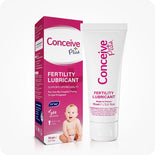
Conceive Plus fertility lubricant is sperm-safe, pH-balanced, and enriched with calcium and magnesium ions — designed to support every intercourse attempt during your fertile window.
Shop Fertility Lubricants →The fertile window consists of the 5–6 days during which intercourse can potentially result in conception. A landmark study by Wilcox et al. published in the New England Journal of Medicine (1995) tracked the timing of intercourse in relation to ovulation in a cohort of women trying to conceive. Key findings:
- Conception only occurred from intercourse on the 5 days before ovulation or on the day of ovulation itself
- No pregnancies resulted from intercourse after ovulation day
- Peak fertility was on the two days immediately before ovulation — not ovulation day itself
This finding surprises many people. The common conception (pun intended) is that ovulation day is the "best" day — but because sperm need time to travel and capacitate, and because they can wait in the fallopian tube for the egg, getting sperm there before the egg arrives often produces better results.
The practical implication: start having intercourse before you expect to ovulate, not on the day you confirm it.
How to Identify Your Fertile Window
Because ovulation timing varies from woman to woman and cycle to cycle, identifying your personal fertile window is essential.
Method 1: Ovulation Predictor Kits (OPKs)
OPKs detect the LH (luteinising hormone) surge that precedes ovulation by 24–36 hours. A positive OPK tells you that you're approaching ovulation — not that you've already ovulated. This is one of the most reliable and practical tools for timing intercourse.
How to use OPKs effectively for conception timing:
- Begin testing 4–5 days before your expected ovulation date (based on cycle history)
- Test at the same time each day — mid-afternoon (between 12pm and 8pm) is recommended, as the LH surge often begins in the morning and accumulates through the day
- When you see the test line as dark or darker than the control line, plan intercourse that day and the next 1–2 days
- Continue having intercourse even if you haven't yet seen a positive — the fertile window begins before the LH surge
Method 2: Cervical Mucus Monitoring
The cervix produces mucus throughout the cycle that changes character in response to hormonal shifts. Observing and recording these changes is free, requires no equipment, and provides a direct biological signal of approaching fertility.
- Post-period: Dry or minimal discharge
- Early fertile phase: White, creamy, lotion-like mucus — indicates rising oestrogen
- Peak fertility: Clear, stretchy, slippery mucus resembling raw egg white (EWCM). This is the most fertile sign — intercourse on days of EWCM is strongly associated with higher conception rates
- Post-ovulation: Mucus becomes thick and sticky again as progesterone rises
The appearance of EWCM should trigger increased frequency of intercourse. Many women find it helpful to check mucus at the same time daily — examining toilet paper or the vaginal opening before urinating.
Method 3: Basal Body Temperature (BBT) Charting
After ovulation, progesterone causes a sustained rise in BBT of approximately 0.2–0.5°C. Charting BBT over multiple cycles helps identify your personal ovulation pattern and can confirm ovulation occurred.
Key limitation: the temperature rise is retrospective — it confirms ovulation has already occurred, too late to optimise timing within that cycle. BBT is most useful for pattern recognition across cycles to predict future fertile windows, rather than real-time timing within the current cycle.
Method 4: Fertility Tracking Apps
Apps like Clue, Ovia, Glow, and Fertility Friend aggregate your inputted data (period dates, OPK results, cervical mucus, BBT) to predict your fertile window. Many women use apps as an organisational tool alongside other tracking methods. The more cycles of data an app has, the more accurate its predictions become.
Optimal Frequency of Intercourse When Trying to Conceive
One of the most common questions from couples trying to conceive is: how often should we have sex? The answer, supported by research:
Every 1–2 days during the fertile window is optimal for most couples.
Studies consistently show that daily or every-other-day intercourse during the fertile window maximises conception rates. A study in the journal Human Reproduction found that conception probability was highest with intercourse every 2 days (approximately 22% per cycle in younger women) compared to weekly intercourse (11%).
What About "Saving Up" Sperm?
A common myth is that waiting several days between intercourse improves sperm quality and quantity. While abstinence periods of 2–5 days do produce higher sperm counts, research shows this doesn't necessarily improve fertility outcomes for most couples. In fact:
- Extended abstinence (7+ days) is associated with higher DNA fragmentation in sperm
- More frequent ejaculation reduces the proportion of older, DNA-damaged sperm in the ejaculate
- For couples without severe male factor infertility, frequent intercourse during the fertile window outperforms less frequent, "saved up" attempts
Exception: for men with very low sperm count (severe oligospermia), a 2–3 day abstinence period before the most fertile day(s) may be recommended by a specialist to maximise the available count.
Creating the Ideal Environment for Conception
Beyond timing, several factors affect whether sperm can successfully reach and fertilise the egg.
Cervical Mucus Quality
Fertile cervical mucus acts as a sperm highway — nourishing sperm, filtering abnormal sperm, and providing a channel toward the egg. Insufficient or hostile cervical mucus can impair sperm transport even when intercourse is perfectly timed.
Factors that can reduce cervical mucus quality:
- Clomiphene citrate (Clomid) — ironically, this ovulation-induction drug can have an anti-estrogenic effect on the cervix, reducing mucus production
- Antihistamines — can dry all mucous membranes, including cervical mucus
- Age-related hormonal changes
- Dehydration
The Role of Lubricant
Many couples experience vaginal dryness during intercourse — this is particularly common when intercourse is timed to fertility rather than spontaneous desire. The temptation to use whatever lubricant is available is understandable, but most conventional lubricants are harmful to sperm.
Research published in Fertility and Sterility has shown that common lubricants including K-Y Jelly, Astroglide, and Replens reduce sperm motility by 60–100% compared to controls. This is a significant impediment to conception that is entirely avoidable.
The solution: use a sperm-safe fertility lubricant. Conceive Plus is formulated to mimic fertile cervical mucus — pH-balanced at 7.2, isotonic, and enriched with calcium and magnesium ions that actively support sperm function. It eliminates the comfort-vs-conception tradeoff entirely.
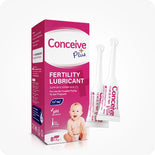
Use Conceive Plus at every intercourse attempt during your fertile window — both for comfort and to ensure a sperm-supportive environment. Available in a multi-use tube for daily use and single-use applicators that can be inserted intravaginally before intercourse for deeper distribution. Find it at Conceive Plus India.
Post-Intercourse Practices
Common post-intercourse practices for TTC: do any of them help?
- Lying down after intercourse: The evidence is mixed. Sperm begin entering the cervical crypts within seconds of ejaculation; gravity is not thought to significantly affect this. However, lying down for 10–15 minutes is unlikely to harm and may reduce anxiety about "losing" sperm — so if it makes you feel better, there's no reason not to.
- Elevating hips: Similar evidence base — no proven benefit, no harm
- Avoiding urination immediately after: Not necessary — the urethra and vagina are separate structures; urinating does not affect sperm that have already entered the reproductive tract
- Orgasm: Some research suggests female orgasm may aid sperm transport through uterine contractions, though evidence is not conclusive
Timing Intercourse With Irregular Cycles
For women with irregular cycles — whether from PCOS, thyroid conditions, post-pill adjustment, or other causes — cycle-day-based timing is unreliable. Practical strategies:
- Rely on OPKs rather than calendar: Start testing on Day 8 and continue until a positive is obtained or Day 25
- Extend the intercourse window: Have intercourse every 2–3 days from Day 8 through positive OPK, rather than only in a narrow window
- Monitor cervical mucus: EWCM is a direct biological signal of oestrogen rise preceding ovulation — invaluable when cycle length is unpredictable
- Consider wearable monitors: Devices like Ava or Tempdrop provide continuous physiological data that can identify the fertile window even in irregular cycles
The Effect of Lifestyle on Timing and Fertility
Optimal fertility doesn't exist in isolation — it's supported by a broader lifestyle context. Key factors:
Stress Management
Significant psychological stress has been associated with anovulatory cycles (cycles without ovulation), delayed ovulation, and reduced luteal phase progesterone. Research shows that elevated alpha-amylase (a stress biomarker) is associated with reduced fertility. While the research doesn't support the common advice to "just relax," managing chronic stress through evidence-based methods (exercise, mindfulness, therapy) genuinely supports reproductive health.
Sleep
Poor sleep disrupts the circadian regulation of reproductive hormones. Both LH surges and progesterone secretion have circadian components — meaning consistent, adequate sleep (7–9 hours) supports the hormonal rhythms underlying ovulation and luteal phase adequacy.
Exercise
Moderate, regular exercise supports reproductive health. Excessive exercise (high-intensity training, low energy availability, extreme weight loss) can suppress GnRH secretion and lead to hypothalamic amenorrhoea — the cessation of ovulation. The balance point is moderate, consistent activity rather than sedentary or extreme.
Nutrition and Supplements
The "fertility diet" evidence base points to:
- Adequate protein (particularly plant protein) supporting hormonal balance
- Full-fat dairy having a positive association with ovulatory fertility (compared to low-fat dairy)
- Antioxidant-rich foods (berries, leafy greens, nuts) protecting egg and sperm quality
- Omega-3 rich foods (fatty fish, flaxseed, walnuts) reducing inflammation and supporting cellular health
Pre-conception supplements: folate (or methylfolate), vitamin D, iron (if deficient), omega-3 fatty acids, and for women over 35, CoQ10. For men: zinc, selenium, L-carnitine, and CoQ10 to support sperm count, motility, and DNA integrity.
When Precise Timing Isn't Working: Seeking Help
If you've been consistently timing intercourse correctly — covering the fertile window, using OPKs, optimising lifestyle — and haven't conceived after a reasonable period, seeking specialist input is the appropriate next step:
- Under 35: after 12 months of accurately timed intercourse without conception
- 35–37: after 6 months
- 38 and older: after 3–6 months, or sooner if preferred
- Any age: immediately if you have known fertility-affecting conditions (PCOS, endometriosis, irregular periods, male factor concerns)
Initial investigation typically includes: female hormone panel (FSH, LH, AMH, thyroid), semen analysis for the male partner, and depending on history, imaging of the uterus and fallopian tubes.
Frequently Asked Questions About Timing Intercourse for Conception
Q: Should I have intercourse on ovulation day or before it?
A: Both, ideally. The most fertile days are the two days before ovulation, but ovulation day itself also carries high conception probability. Plan to have intercourse on the day of your positive OPK and the following 1–2 days.
Q: Can I get pregnant if I only have intercourse once during my cycle?
A: Yes, if that intercourse falls within the fertile window — particularly on the most fertile days. However, the probability of conception is maximised by having intercourse multiple times during the fertile window.
Q: I'm getting positive OPKs but not getting pregnant — what's wrong?
A: A positive OPK confirms an LH surge but not ovulation itself (some women, particularly those with PCOS, have elevated LH without ovulating). Confirm ovulation by tracking the post-surge BBT rise. If you're consistently getting positive OPKs and timing intercourse correctly without success, fertility investigation is warranted.
Q: Does the time of day for intercourse matter?
A: There is some research suggesting sperm quality may be slightly better in the morning — testosterone peaks in the early morning, and sperm production follows a circadian rhythm. However, this effect is small and inconsistent. The most important factor is having intercourse during the fertile window, regardless of time of day.
Q: Can I use the same OPK brand throughout my cycle?
A: Yes. Consistency with a single OPK brand helps you learn to read the line intensity accurately for that specific product. Some women use cheap strip tests for daily monitoring and confirm the surge with a digital test.
Q: My cycles are 35 days long — when do I likely ovulate?
A: In a 35-day cycle, ovulation typically occurs around Day 21 (the luteal phase is approximately 14 days). Begin OPK testing from Day 16 and continue until a positive is confirmed.
Q: Can I conceive after my period has started?
A: Technically, late period bleeding and early ovulation in a short cycle could theoretically overlap — but this is rare. For most women with cycles of 21+ days, the period itself is not a fertile time.
Q: Is it possible to miss the fertile window completely in some cycles?
A: Yes. Anovulatory cycles (cycles without ovulation) occur occasionally in most women and are more common in certain conditions (PCOS, high stress, illness, post-pill). OPK testing helps identify these cycles by the absence of a positive result.
Q: Does using Conceive Plus improve my odds of getting pregnant?
A: Conceive Plus doesn't directly boost fertility, but it creates the optimal environment for sperm during intercourse. By replacing potentially harmful conventional lubricants with a sperm-safe formula that mimics cervical mucus — including calcium and magnesium ion support — it removes a preventable barrier to conception.
Q: My partner works night shifts — how does this affect timing?
A: Circadian disruption can affect both male (sperm DNA fragmentation increases with shift work) and female (hormonal regulation disruption) fertility. Focus on having intercourse on the most fertile days regardless of timing — the effect of a single night's schedule on conception timing is small compared to being in the right window.
Building Your Conception Timing Strategy
Based on everything covered in this guide, here's a practical, science-based timing strategy for couples trying to conceive:
- Track your cycle: Record period start dates for 2–3 cycles to identify your average cycle length and estimated ovulation date
- Begin OPK testing: Start 4–5 days before estimated ovulation; test once or twice daily
- Monitor cervical mucus: Observe daily from menstruation through confirmed ovulation
- Begin intercourse at the fertile window: Start having intercourse every 1–2 days from the day EWCM first appears or from Day 10 (whichever comes first)
- Intensify around positive OPK: Have intercourse on positive OPK day and the following 1–2 days
- Use sperm-safe lubricant: Apply Conceive Plus at every intercourse attempt during the fertile window
- Continue supplements: Both partners should be taking relevant fertility supplements throughout
- Confirm ovulation: Track BBT for post-ovulation temperature rise confirmation
Consistency with this strategy over 3–6 cycles gives most couples the best possible chance of natural conception. If success hasn't come within the recommended timeframes, a fertility specialist consultation provides the next level of investigation and support.
Conceive Plus is here to support your journey with products designed around the science of conception. Explore our fertility lubricants and supplements at Conceive Plus India — and give every cycle the best possible chance.
Create the perfect environment for conception
Conceive Plus fertility lubricant is sperm-safe, pH-balanced, and enriched with calcium and magnesium ions — designed to support every intercourse attempt during your fertile window.
Shop Fertility Lubricants →