
Fertility Testing: A Complete Guide to Understanding Your Options and What to Expect
Fertility testing can feel daunting, but knowledge is power. Understanding what tests are available, when to seek them, and what the results mean can transform anxiety into actionable insight. This guide walks you through every major fertility test for both women and men.
When to Seek Fertility Testing
The general guideline: under 35, try for 12 months before testing. Over 35, seek testing after 6 months. Over 40, consider testing immediately. However, if you have known risk factors — irregular cycles, previous miscarriages, history of pelvic infections, or known medical conditions — don't wait.
Female Fertility Tests: Hormone Assessment
🌈 Your Fertility Journey Deserves the Best Support
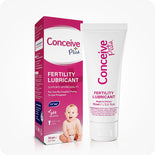
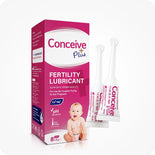
While you're optimising every factor for conception, don't overlook what happens at the most critical moment. Conceive Plus is the clinically tested, sperm-safe fertility lubricant that mimics your body's natural cervical mucus — creating the optimal environment for sperm to reach the egg.
✅ Clinically proven not to harm sperm motility
✅ Free from parabens, glycerin, and spermicides
✅ Recommended by fertility specialists worldwide
✅ Compatible with all conception methods — natural, IUI, or IVF
Day 3 blood work (on the third day of your menstrual cycle) typically includes FSH, LH, estradiol, and sometimes AMH. These hormones tell your doctor how well your ovaries are functioning and your approximate egg reserve. AMH can be checked any day of your cycle and is a reliable marker of ovarian reserve.
Ovulation Confirmation Tests
Progesterone levels tested 7 days after expected ovulation confirm whether you're ovulating. Regular ovulation predictor kits at home can help track LH surges. Basal body temperature charting provides daily feedback on your cycle patterns and confirms ovulation after the fact.
Imaging and Structural Tests
Transvaginal ultrasound checks ovarian appearance, follicle development, and uterine structure. HSG (hysterosalpingogram) examines whether your fallopian tubes are open — a crucial test since blocked tubes prevent conception. Saline sonograms and hysteroscopy look inside the uterine cavity for fibroids, polyps, or scar tissue.
Male Fertility Testing: Semen Analysis
A semen analysis is a simple, non-invasive test that evaluates sperm count, motility, morphology, and volume. It's often the first male fertility test and can identify issues in about 40% of infertility cases. Two or three samples are typically analysed over several weeks for accuracy.
Advanced Male Fertility Testing
DNA fragmentation testing evaluates sperm genetic quality beyond standard parameters. Hormone blood work (testosterone, FSH, LH) can identify underlying hormonal issues. Genetic testing may be recommended if sperm counts are extremely low or if there's a family history of inherited conditions.
Genetic Carrier Screening
Carrier screening tests whether you or your partner carry genes for inherited conditions like cystic fibrosis, spinal muscular atrophy, or fragile X syndrome. Both partners should be tested, as most conditions require both parents to be carriers for the child to be affected.
Frequently Asked Questions
1. Does fertility testing hurt?
Most tests are painless. Blood draws are routine. HSG may cause mild cramping, like period pains.
2. How long does fertility testing take?
Basic testing can be completed in one menstrual cycle. Comprehensive testing may take 2-3 months.
3. Should my partner be tested too?
Yes. Male factor contributes to 40-50% of infertility. Both partners should be evaluated simultaneously.
4. Can I do fertility testing at home?
Home tests for ovulation and sperm quality exist, but clinical testing is more comprehensive and reliable.
5. How much does fertility testing cost?
Costs vary widely, but many insurance plans cover basic fertility testing. Check with your provider.
6. Can I use a fertility-friendly lubricant during testing?
Yes. Conceive Plus is safe to use alongside all fertility testing and treatments.
7. Will testing affect my fertility?
No. Testing is diagnostic only and won't impact your ability to conceive.
8. What if all tests come back normal?
Unexplained infertility affects about 15% of couples. This doesn't mean nothing can be done — your doctor can suggest treatment options.
9. How often should I retest?
Hormonal levels can change over time. Your doctor will recommend retesting based on your specific situation.
10. Does Conceive Plus affect test results?
No. Conceive Plus doesn't interfere with any fertility diagnostic tests or hormone levels.
💛 Your Conception Journey, Supported by Science
You've read the research, understood the science, and now you're ready to take action. Conceive Plus is the fertility-friendly lubricant that puts clinical evidence into practice — supporting sperm health and viability when it matters most. Trusted by fertility specialists and couples worldwide.