
IVF Preparation: Supplements and Lifestyle Changes to Improve Your IVF Success
IVF Preparation: Supplements and Lifestyle Changes to Improve Your IVF Success
Starting an IVF cycle is a significant commitment—emotionally, physically, and financially. The decisions you make in the weeks and months before stimulation begins can meaningfully affect your outcomes. From evidence-based supplements that improve egg quality to lifestyle modifications that optimise the uterine environment, this comprehensive guide covers everything you need to know to enter your IVF cycle in the best possible position.
How Early Should You Start Preparing for IVF?
The optimal preparation window is 3–6 months before your IVF cycle begins. Here's why timing matters:
- Egg maturation: The full process of folliculogenesis (egg development from primordial stage to ovulation-ready) takes approximately 90 days. Nutritional and lifestyle interventions begun 3+ months before retrieval influence the eggs that will be collected.
- Sperm production: Spermatogenesis (the full cycle of sperm production) takes 72–90 days. If your partner is also optimising, they need the same lead time.
- Uterine preparation: Endometrial quality, blood flow, and the uterine microbiome all take time to optimise.
Many couples start supplementing and making lifestyle changes only weeks before their cycle—better than nothing, but not as impactful as earlier preparation.
Evidence-Based Supplements for IVF Preparation
The supplement landscape for IVF is crowded with products that lack good evidence. Here are the ones with the strongest clinical backing:
CoQ10 (Ubiquinol): The most extensively studied supplement for IVF preparation in women over 35. CoQ10 is required for mitochondrial energy production in egg cells—and mitochondrial function declines with age. Randomised trials show improved egg quantity (more eggs retrieved) and quality (better fertilisation and blastocyst rates) with CoQ10 supplementation, typically at doses of 400–800mg/day started 3 months before retrieval. Ubiquinol (the active, reduced form) is better absorbed than ubiquinone.
DHEA: A hormone precursor produced by the adrenal glands that declines with age. For women with diminished ovarian reserve (DOR) or poor response in previous cycles, DHEA supplementation (25–75mg/day) has been associated with higher egg yield and better embryo quality in multiple studies. Should only be used under medical supervision due to androgenic side effects.
Methylfolate (not folic acid): Critical for DNA methylation and cell division. Women with MTHFR gene variants (extremely common—affecting up to 40% of the population) cannot adequately convert synthetic folic acid to active methylfolate. Supplementing with L-methylfolate directly is recommended for all IVF patients.
Vitamin D: Deficiency is extremely common globally and is associated with poorer IVF outcomes—lower fertilisation rates, lower blastocyst rates, and lower live birth rates. Testing and supplementing to optimal levels (50–80 ng/mL) before IVF is strongly recommended.
Omega-3 fatty acids (DHA/EPA): Reduce prostaglandin-mediated inflammation in the endometrium, support egg membrane quality, and may improve embryo quality. 2g/day of combined DHA/EPA is commonly recommended in IVF protocols.
Melatonin: A potent antioxidant that accumulates in follicular fluid and protects maturing eggs from oxidative damage. Doses of 3mg/night are used in some fertility clinics to improve egg quality. Has the additional benefit of improving sleep, which supports hormonal regulation.
N-Acetyl Cysteine (NAC): An antioxidant precursor that supports glutathione production—the body's master antioxidant. Particularly useful for women with PCOS or endometriosis, conditions associated with elevated oxidative stress.
Inositol (Myo-inositol): Supports insulin signalling in the ovary and has been shown to improve oocyte quality in women with PCOS preparing for IVF. 4g/day of myo-inositol is the most studied dose.
Supplements for Male IVF Preparation
When sperm quality is suboptimal, the entire IVF cycle can be affected—even with ICSI, DNA fragmentation in sperm can impair embryo development and increase miscarriage risk. Three months before IVF egg retrieval, the male partner should consider:
- Antioxidant combination: Vitamin C, vitamin E, zinc, selenium—proven to reduce oxidative damage to sperm DNA.
- CoQ10: Improves sperm motility and reduces DNA fragmentation.
- L-carnitine + L-acetyl-carnitine: Supports sperm energy metabolism and motility.
- Lycopene: From tomatoes or supplements—reduces sperm DNA damage and improves morphology.
- Zinc and folate: Combination shown to increase total normal sperm count by 74% in an RCT.
Conceive Plus Men's supplement provides a comprehensive antioxidant and nutrient formula specifically designed for male IVF preparation. Visit conceiveplus.in/collections/fertility-supplements for the full range.
Lifestyle Optimisation for IVF Success
Beyond supplements, lifestyle factors have measurable effects on IVF outcomes:
Body weight: Both underweight and overweight are independently associated with poorer IVF outcomes—lower egg yield, lower fertilisation rates, and lower live birth rates. For every 1 kg/m² increase in BMI above 30, live birth rate decreases by approximately 6%. Reaching a BMI of 18.5–25 before IVF is strongly recommended where possible.
Exercise: Moderate exercise (walking, swimming, yoga, light strength training) is beneficial before IVF. Avoid high-intensity exercise during stimulation and after embryo transfer, as it may impair blood flow to the uterus and disrupt hormonal signalling.
Alcohol and smoking: Both should be eliminated before IVF. Smoking dramatically reduces ovarian reserve and response to stimulation. Alcohol impairs egg quality and endometrial function. Both partners should stop at least 3 months before the cycle.
Stress management: Chronic stress activates the HPA axis and suppresses reproductive hormones. While stress itself doesn't cause IVF failure, its physiological effects are real. Acupuncture (particularly before and after transfer), mindfulness meditation, and psychological counselling all have evidence for reducing IVF-related stress and may modestly improve outcomes.
Sleep: Melatonin secretion (critical for antioxidant protection of eggs) is directly dependent on sleep quality and darkness at night. Prioritise 7–9 hours in a dark room during IVF preparation.
Caffeine: Keep to ≤200mg/day (one strong coffee or equivalent). Higher consumption has been associated with poorer outcomes in some studies.
Heat exposure: Men should avoid hot tubs, saunas, and laptops on the lap during IVF preparation—testicular heat impairs sperm production.
Diet During IVF Preparation
The Mediterranean diet is the most evidence-backed dietary pattern for IVF preparation. In a prospective cohort study of 244 women undergoing IVF, those with the highest adherence to the Mediterranean diet had a 65–68% higher probability of achieving clinical pregnancy and live birth compared to those with the lowest adherence.
Key elements:
- Abundant vegetables and legumes
- Olive oil as primary fat
- Oily fish 2–3 times per week
- Moderate full-fat dairy
- Minimal red and processed meat
- Limited sugar and refined carbohydrates
- Modest wine consumption (though most fertility specialists recommend none)
Ensure adequate hydration—dehydration reduces follicular fluid volume and quality. Aim for 2–2.5 litres of water daily during stimulation.
Acupuncture and Complementary Therapies for IVF
Acupuncture is the most studied complementary therapy for IVF. The evidence is mixed—the largest meta-analyses (based on heterogeneous studies) show modest or no benefit when used on the day of transfer alone. However, series of acupuncture sessions begun several weeks before egg retrieval (improving ovarian blood flow) show more consistent benefit in smaller trials.
Acupuncture is generally safe, can meaningfully reduce IVF-related anxiety, and many fertility specialists are comfortable with patients pursuing it. It should complement, not replace, medical treatment.
Reflexology, massage, and mindfulness all have supportive evidence for reducing the physiological stress response during IVF, even if direct effects on clinical outcomes are harder to isolate.
What to Avoid During IVF Preparation
Several things are best eliminated or avoided:
- High-impact exercise: During stimulation and after transfer, switch to gentle walking and yoga only
- Endocrine disruptors: Minimise BPA (avoid heating food in plastic), phthalates (fragranced products), and parabens (some cosmetics)
- NSAIDs (ibuprofen, naproxen): May interfere with ovulation and implantation—use paracetamol instead
- Herbs with hormone-mimicking properties: Black cohosh, dong quai, red clover, and similar herbs should be stopped before IVF unless specifically cleared by your fertility doctor
- Very low-calorie diets: Severe caloric restriction impairs ovarian function. If weight loss is indicated, achieve it before stimulation begins, not during
FAQ: IVF Preparation
Q: How many months before IVF should I start taking supplements?
A: Ideally 3–6 months. Key supplements like CoQ10 and DHEA need this lead time to affect maturing eggs. Even 6–8 weeks is better than starting supplements only at the beginning of stimulation.
Q: Does CoQ10 really improve IVF success?
A: Multiple randomised controlled trials show CoQ10 improves egg quantity and quality, particularly in women over 35 or with diminished ovarian reserve. A 2020 meta-analysis confirmed its benefit for IVF outcomes.
Q: Should I take DHEA for IVF?
A: Only under medical supervision. DHEA has the strongest evidence for women with diminished ovarian reserve (poor responders). For normal responders, benefit is less clear. Androgenic side effects (acne, hair growth) are possible.
Q: Is bed rest necessary after embryo transfer?
A: No. Multiple randomised trials show that bed rest after transfer does not improve live birth rates and may slightly reduce them (possibly through stress and impaired circulation). Normal light activity is recommended.
Q: Can I exercise during IVF stimulation?
A: Gentle exercise (walking, light yoga, swimming) is fine during stimulation. Avoid high-impact and intense exercise, as enlarged ovaries during stimulation create a risk of torsion (twisting), which is a medical emergency.
Q: Does acupuncture improve IVF success?
A: The evidence is mixed. Single-session acupuncture on transfer day shows minimal effect in large trials. Multi-session acupuncture begun weeks before retrieval may improve ovarian blood flow and reduce stress response. It is generally safe and considered a reasonable complement to IVF.
Q: What should my partner do to prepare for IVF?
A: Stop smoking, limit alcohol, avoid recreational drugs and anabolic steroids, take an antioxidant fertility supplement for 3 months before the cycle, maintain healthy weight, exercise moderately, and avoid scrotal heat exposure.
Q: Does vitamin D affect IVF outcomes?
A: Yes. Multiple studies link vitamin D deficiency to lower fertilisation rates, blastocyst rates, and live birth rates in IVF. Test your levels and supplement if below 50 ng/mL before your cycle.
Q: What diet is best before IVF?
A: Mediterranean diet—high in vegetables, legumes, olive oil, oily fish, and whole grains; low in refined carbohydrates, processed meats, and trans fats. This pattern has the strongest evidence for improving IVF live birth rates.
Q: Can I use lubricant during IVF-related intercourse?
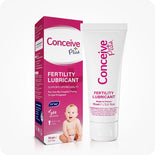
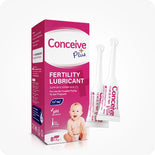
A: Yes, and you should use a fertility-safe lubricant. Conventional lubricants impair sperm motility significantly. Conceive Plus is used in fertility clinics worldwide and is the recommended choice—it's pH-matched and sperm-safe with calcium and magnesium ions to support sperm function.