
Male Fertility: A Complete Guide to Understanding and Improving Sperm Health Naturally
Male Fertility: A Complete Guide to Understanding and Improving Sperm Health Naturally
Male fertility is a topic that doesn't get nearly enough attention in conversations about trying to conceive. Despite male factor infertility contributing to 40–50% of all cases of couples struggling to get pregnant, the focus almost always defaults to the female partner. This needs to change — because improving male fertility is not only possible but often highly achievable with targeted lifestyle, dietary, and supplementation strategies.
Whether you're just beginning your conception journey, have received a challenging semen analysis result, or want to proactively optimise your reproductive health, this comprehensive guide to male fertility will give you the knowledge and practical tools to make meaningful improvements.
Understanding Male Fertility: How Sperm Production Works
Sperm are produced in the seminiferous tubules of the testes through a process called spermatogenesis. Starting from stem cells (spermatogonia), each sperm takes approximately 64–74 days to fully develop. After leaving the testes, sperm spend another 14–21 days maturing in the epididymis before they are capable of fertilising an egg.
This biology has a critical practical implication: interventions to improve male fertility today will not appear in a semen analysis for 2–3 months. The sperm tested today reflect the testicular environment of 3 months ago. Conversely, lifestyle improvements made today will produce improved sperm results by the time your next analysis or next planned conception attempt arrives — provided changes are made at least 3 months in advance.
Key Parameters of Male Fertility
Ready to support your fertility journey?
Explore Conceive Plus — clinically formulated fertility support trusted by couples worldwide.
A standard semen analysis evaluates multiple parameters that collectively define male fertility:
Sperm Count
Measured as concentration (sperm per mL) and total count per ejaculate. WHO 2021 reference values: ≥16 million/mL concentration, ≥39 million total. Low count is called oligospermia; absent sperm is azoospermia — which may be obstructive (treatable) or non-obstructive (requiring specialist evaluation).
Sperm Motility
The percentage and quality of sperm movement. At least 42% total motility and 30% progressive motility (forward movement) is considered normal. Poor motility (asthenospermia) can prevent sperm from reaching the egg even when present in normal numbers. Motility is highly sensitive to temperature, oxidative stress, and nutrient deficiencies.
Sperm Morphology
The shape and structure of sperm assessed by Kruger strict criteria. At least 4% normal forms is the reference threshold. Poor morphology (teratospermia) reduces fertilisation capacity. Morphology is influenced by the oxidative environment of the testes during spermatogenesis and by genetic factors.
Sperm DNA Fragmentation
Not included in a standard semen analysis but critical for understanding male fertility. A high DNA fragmentation index (DFI > 15–25%) indicates significant DNA damage within sperm that standard tests miss. High DFI is associated with reduced fertilisation, poor embryo development, and increased miscarriage risk. It is the primary marker of oxidative damage to sperm.
Semen Volume and pH
Normal volume is ≥1.4 mL, pH 7.2–8.0. Very low volume can indicate ejaculatory duct obstruction or absent seminal vesicle contribution. pH abnormalities help identify structural issues in the male reproductive tract.
What Harms Male Fertility: The Key Risk Factors
Understanding what impairs male fertility is the first step to improving it:
- Heat exposure: Spermatogenesis requires temperatures ~2–4°C below core body temperature. Regular saunas, hot tubs, tight underwear, laptop use on the lap, and sedentary work in hot environments all elevate scrotal temperature and impair sperm production.
- Oxidative stress: Free radicals from lifestyle factors (smoking, alcohol, poor diet, pollution, stress) damage sperm DNA, membranes, and mitochondria. This is one of the most common and impactful causes of poor sperm parameters and high DNA fragmentation.
- Smoking: Direct testicular toxin. Tobacco smoke contains cadmium, which accumulates in the testes, and dozens of other compounds that impair spermatogenesis and increase DNA fragmentation. Multiple meta-analyses confirm significant reductions in all sperm parameters in smokers.
- Alcohol: Chronic alcohol consumption reduces testosterone (via suppression of the hypothalamic-pituitary-testicular axis), damages Sertoli cells, and generates testicular oxidative stress. Even moderate consumption is associated with reduced sperm quality in dose-dependent fashion.
- Obesity: Excess adipose tissue converts testosterone to oestrogen via aromatase, suppressing the testosterone needed for spermatogenesis. Abdominal fat also insulates the genitals, raising scrotal temperature. Obese men consistently show lower testosterone, reduced sperm count, and higher DNA fragmentation.
- Varicocele: Dilated testicular veins found in about 40% of infertile men. Impairs male fertility through elevated scrotal temperature, venous reflux of metabolic waste products, and oxidative stress. Varicocelectomy (surgical repair) consistently improves sperm parameters and pregnancy rates.
- Medications: Anabolic steroids and testosterone replacement therapy (TRT) suppress spermatogenesis — often to zero. Some antibiotics, antifungals, calcium channel blockers, and alpha-blockers can impair sperm function or ejaculation. Chemotherapy agents are directly gonadotoxic.
- Environmental toxins: Pesticides, heavy metals, phthalates (from plastics), BPA, and other endocrine disruptors are directly gonadotoxic. Occupational exposures (agriculture, painting, welding, industrial work) significantly increase risk.
- Psychological stress: Chronic stress elevates cortisol, suppresses LH and testosterone, and activates oxidative pathways. Multiple studies have found correlations between major life stress events and temporary deterioration in sperm parameters.
- Age: Sperm quality gradually declines with age. After 40, DNA fragmentation rates increase, sperm motility declines, and chromosomal abnormality rates rise. The impact is real but gradual — men father healthy children well into later life, though conception times are extended.
Natural Ways to Improve Male Fertility
Because spermatogenesis is a continuous, responsive biological process, male fertility parameters can improve meaningfully with targeted changes:
Switch to Boxers
A 2018 Harvard study of 656 men found that those wearing boxer shorts had 25% higher sperm concentration and 17% higher total sperm count than those wearing tight underwear. The effect is attributed to lower scrotal temperature. Making this switch is free, immediate, and backed by evidence.
Quit Smoking
Stopping smoking is consistently associated with significant improvements in all sperm parameters within 3 months. DNA fragmentation can decrease substantially in this timeframe. If you smoke and are trying to conceive, quitting is the single most impactful change you can make for your male fertility.
Reduce Alcohol
Limit alcohol to 1–2 standard drinks per week while trying to conceive, or eliminate it entirely. The fertility benefits of alcohol reduction appear within 3 months through improved testosterone levels and reduced oxidative stress.
Exercise Appropriately
Regular moderate exercise (3–5 sessions per week of mixed cardio and resistance training) is consistently associated with better testosterone levels and sperm parameters. Avoid extreme endurance exercise (marathon training, daily prolonged cycling), which can temporarily suppress testosterone and worsen sperm quality.
Achieve and Maintain Healthy Weight
For overweight and obese men, weight loss — even 5–10% of body weight — produces meaningful improvements in testosterone, sperm count, and motility. Diet and exercise together are the most effective approach.
Reduce Heat Exposure
Avoid saunas and hot tubs for at least 3 months before conception attempts. Use a laptop on a desk rather than directly on the lap. Take cooler showers rather than prolonged hot ones.
Manage Stress
Incorporate stress reduction practices: regular exercise, adequate sleep (7–9 hours), mindfulness or meditation, and maintaining social support. If stress is chronic or overwhelming, professional support is worthwhile.
Optimise Diet
A Mediterranean-style diet is the most evidence-supported pattern for male fertility. Key elements include: antioxidant-rich vegetables and fruits, oily fish (omega-3 DHA for sperm membranes), nuts and seeds (zinc, selenium), wholegrains, and olive oil. Limit processed meats, refined carbohydrates, trans fats, and alcohol.
Supplements That Support Male Fertility
Targeted nutritional supplementation is among the most well-studied interventions for improving male fertility. Key nutrients include:
- CoQ10 (200–600 mg/day): Improves mitochondrial energy production in sperm midpiece, directly supporting motility. Reduces oxidative damage to sperm DNA. Multiple meta-analyses confirm significant improvements in all sperm parameters.
- Zinc (25–40 mg/day): Essential for testosterone production, sperm maturation, and DNA integrity. Zinc deficiency is directly linked to low sperm count and increased fragmentation.
- Selenium (100–200 mcg/day): Structural component of sperm flagellum. Cofactor for glutathione peroxidase — the primary antioxidant protecting sperm. Randomised trials show improved motility with supplementation.
- L-Carnitine/Acetyl-L-Carnitine (1–2 g/day): Found in high concentrations in the epididymis where sperm mature. Essential for energy metabolism in the sperm midpiece. Meta-analyses show significantly improved motility and forward progression.
- Vitamins C and E: Classic antioxidant combination. Vitamin C directly reduces sperm DNA fragmentation; vitamin E protects sperm membranes from lipid peroxidation. Most effective in combination.
- Folate (methylfolate 400–800 mcg/day): Important for DNA synthesis in developing sperm. Low folate associated with increased chromosomal abnormalities. Methylfolate form bypasses the MTHFR enzyme variant that impairs folic acid conversion in a significant proportion of people.
- Lycopene: A carotenoid antioxidant found in tomatoes with specific evidence for improving sperm morphology and count. Easily incorporated through diet (cooked tomato products have higher lycopene bioavailability than raw) or supplementation.
Conceive Plus Men's Fertility Support for India
Managing individual supplements for every fertility-relevant nutrient is expensive and complex. Conceive Plus Men's Fertility Support consolidates the evidence-backed nutrients — CoQ10, zinc, selenium, L-carnitine, vitamins C and E, lycopene, and B vitamins — into a single, convenient daily supplement. The formula uses clinical-grade ingredient forms and dosages calibrated against the research evidence.
For the best results, Conceive Plus recommends taking Men's Fertility Support for a minimum of 3 months (one complete spermatogenic cycle) before planned conception. This allows time for the full turnover of the sperm population to reflect the improved nutritional status.
👉 Shop Conceive Plus Men's Fertility Supplements in India — clinically formulated for male fertility optimisation.
When to Seek Medical Help for Male Fertility
Lifestyle and supplementation can achieve meaningful improvements in male fertility parameters in many men — but some causes of infertility require specialist medical assessment:
- Significant azoospermia (no sperm) — may require hormonal treatment, surgical repair, or surgical sperm retrieval for IVF/ICSI
- Very severely abnormal parameters that don't improve after 3–6 months of optimisation
- Known or suspected varicocele — surgical repair (varicocelectomy) has well-documented benefits for fertility
- History of undescended testis, testicular torsion, infection (orchitis, mumps), or previous chemotherapy/radiotherapy
- Symptoms suggesting hormonal imbalance — very low libido, erectile dysfunction, loss of body hair, gynaecomastia
- Genetic factors — Klinefelter syndrome (47,XXY), Y-chromosome microdeletions — identified through blood karyotyping and targeted genetic testing
A urologist, andrologist, or reproductive endocrinologist can evaluate the specific cause and recommend appropriate treatment options, which may include medications, surgery, or assisted reproductive technologies (IUI, IVF, or ICSI — intracytoplasmic sperm injection — which can achieve fertilisation even with very low sperm numbers).
👉 Explore the full Conceive Plus range in India — complete fertility support for couples trying to conceive.
Frequently Asked Questions: Male Fertility
Q: What is a normal sperm count in India?
A: WHO 2021 reference values define normal sperm concentration as ≥16 million/mL and total count as ≥39 million per ejaculate. These are population-level reference ranges, not optimal values — many fertile men exceed these thresholds substantially. A count in the normal range does not guarantee fertility, just as a count below does not guarantee infertility — particularly if motility and morphology are also evaluated.
Q: Can stress cause male infertility?
A: Chronic psychological stress is associated with measurably poorer sperm parameters through multiple mechanisms — cortisol suppression of testosterone, activation of oxidative pathways that damage sperm, and disruption of the HPT hormonal axis. Managing stress is a legitimate and often overlooked component of male fertility optimisation.
Q: Does mobile phone use in a pocket affect sperm?
A: Multiple observational studies have found associations between mobile phone radiation exposure (particularly carrying a phone in the trouser pocket) and reduced sperm motility and increased DNA fragmentation. The evidence is not definitive, but carrying your phone in a bag rather than a trouser pocket during the 3 months before a conception attempt is a low-cost precaution.
Q: Can a low sperm count be treated without IVF?
A: Depending on the cause and severity. Lifestyle optimisation (diet, exercise, quitting smoking, alcohol reduction, heat avoidance) and targeted supplementation can improve sperm count meaningfully in men with lifestyle-driven oligospermia. Varicocele repair can restore or improve sperm production. Hormonal causes (secondary hypogonadism) can often be treated medically. IUI may be sufficient for mild oligospermia. IVF with ICSI is recommended for severe oligospermia or when other measures have not succeeded.
Q: Is it safe to take zinc supplements for male fertility?
A: Yes, at appropriate doses. The recommended daily allowance for zinc in men is 11 mg; fertility supplementation typically uses 25–40 mg/day. Very high doses (above 150 mg/day) can impair copper absorption. Stick to the dosages in your supplement formulation or discuss with your doctor if supplementing independently.
Q: How does age affect male fertility in India?
A: While Indian culture often assumes that men remain fertile indefinitely, sperm quality does decline with age. The most significant changes — increasing DNA fragmentation, declining motility, and rising chromosomal abnormality rates — become most pronounced after age 40–45. Paternal age above 40 is associated with increased risk of certain conditions in offspring, including autism spectrum disorders and schizophrenia, due to accumulating de novo mutations in ageing sperm stem cells. Couples should not delay seeking evaluation if there are concerns about fertility.
Q: Can ayurvedic treatments help male fertility?
A: Some traditional botanical ingredients (ashwagandha, shatavari, shilajit) have preliminary research suggesting benefits for testosterone levels and sperm parameters. Ashwagandha (Withania somnifera) has the most clinical research — multiple randomised trials show it can significantly increase testosterone, sperm count, and motility. These can complement, but should not replace, the evidence-based nutritional supplementation and lifestyle approaches described in this guide.
Q: Does cycling affect male fertility?
A: Prolonged cycling raises scrotal temperature, compresses perineal blood vessels, and generates vibration and pressure on the perineum — all potentially affecting testicular function and blood flow. Studies show associations between heavy cycling (over 5 hours per week) and reduced sperm motility. Casual recreational cycling is unlikely to be problematic, but if you cycle intensively, switching to padded shorts and a properly fitted seat, and reducing training volume in the months before conception, is reasonable.
Q: My wife and I have been trying for 8 months. Should I get a semen analysis?
A: Yes — there is no reason to wait before having a semen analysis. It is the primary test for male factor infertility, is non-invasive, and relatively low-cost. Getting a semen analysis early rather than only after 12 months of trying allows time to address any issues identified. In India, a semen analysis is widely available at pathology labs and fertility clinics across major cities and many smaller towns.
Q: Does Conceive Plus have products suitable for both partners?
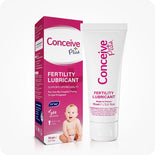
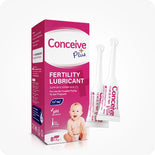
A: Yes. Conceive Plus offers dedicated Men's Fertility Support supplements, Women's Fertility Support supplements, fertility lubricant for use during intercourse, and ovulation support. The full range is designed as an integrated conception system for both partners.
Start Your Fertility Journey with Conceive Plus
Science-backed fertility support for both partners — lubricants, supplements, and ovulation aids trusted by couples worldwide.
Shop Conceive Plus Now →