
Fertility Supplements: A Complete Guide for Couples Trying to Conceive
Fertility Supplements: A Complete Guide for Couples Trying to Conceive
The journey to parenthood often comes with questions about what you can do to support your body during the process. Fertility supplements have become an increasingly important part of the TTC (trying to conceive) conversation — backed by a growing body of clinical evidence. This guide covers the key fertility supplements for both women and men, the science behind why they work, and how to build a supplementation approach that gives your body the nutritional foundation it needs.
Whether you're just beginning your fertility journey or looking to optimise after months of trying, understanding what fertility supplements actually do — and which ones are worth taking — puts you in control of your reproductive health.
Why Fertility Supplements Matter
Modern diet, environmental exposures, and lifestyle stressors create a nutritional environment that often falls short of what optimal reproductive function requires. Even a balanced, varied diet can leave gaps in key nutrients that directly affect egg quality, sperm function, hormonal balance, and early embryo development.
Fertility supplements don't replace a healthy diet — they complement it, providing specific nutrients at therapeutic doses that clinical research has linked to improved reproductive outcomes. For couples actively trying to conceive, starting a well-chosen supplement protocol 3 months before TTC can meaningfully support the quality of both eggs and sperm during the critical maturation window.
Key reasons fertility supplements matter:
- Eggs take approximately 90 days to fully mature — nutritional support during this window directly affects egg quality
- Sperm takes 70–90 days to develop — the same logic applies to male fertility supplements
- Specific deficiencies (folate, vitamin D, zinc) are strongly linked to fertility impairment and early pregnancy loss
- Oxidative stress, increasingly common in modern environments, damages reproductive cells — antioxidant supplementation provides direct protection
Essential Fertility Supplements for Women
Join thousands of couples who've made Conceive Plus part of their fertility journey. Clinically formulated, science-backed, and designed for people just like you.
Shop Conceive Plus Now →
For women trying to conceive, the following fertility supplements have the strongest clinical evidence:
Folate (methylfolate — not folic acid)
The most universally recommended fertility supplement for women. Folate is essential for neural tube development in early pregnancy and plays a critical role in DNA synthesis and cell division — both fundamental to healthy egg development and embryo formation. Choose methylfolate (5-MTHF) over synthetic folic acid — up to 60% of people carry gene variants that impair folic acid conversion, making the active methylfolate form more reliable for everyone. Begin at least 3 months before trying to conceive. Recommended dose: 400–800 mcg/day.
Coenzyme Q10 (CoQ10 / ubiquinol)
One of the most researched fertility supplements for egg quality. Eggs are among the most energy-demanding cells in the body, relying on mitochondria (cellular power plants) for the energy required for fertilisation and early cell division. CoQ10 is essential for mitochondrial function. Multiple clinical trials have shown CoQ10 supplementation improves oocyte quality, particularly in older women and those with diminished ovarian reserve. Recommended: 200–400 mg/day of ubiquinol (the active, more bioavailable form). Start 3 months before TTC.
Vitamin D3
Vitamin D receptors are found throughout the reproductive system — on follicular cells, the uterine lining, and in placental tissue. Deficiency is extremely prevalent in India and across South Asia, due to paradoxically high UV exposure combined with indoor lifestyles, clothing coverage, and dietary patterns. Multiple IVF studies have found significantly lower pregnancy rates in vitamin D-deficient women. Getting a 25-hydroxyvitamin D blood test before supplementing helps calibrate your dose; typical fertility supplementation is 2,000–4,000 IU/day of D3.
Inositol (myo-inositol + D-chiro-inositol)
Inositol is naturally found in follicular fluid and plays a key role in FSH (follicle-stimulating hormone) signalling and insulin metabolism. Research, including a Cochrane review update, supports inositol supplementation for improving oocyte quality and ovulation regularity, particularly for women with PCOS — one of the most common causes of infertility affecting an estimated 15–20% of Indian women. The evidence-based dose is 4,000 mg myo-inositol + 400 mg D-chiro-inositol daily (a 40:1 ratio).
Omega-3 fatty acids (DHA/EPA)
DHA is a structural component of egg cell membranes and is essential for early foetal brain development. Omega-3 fatty acids are anti-inflammatory and support hormonal balance. Women with higher omega-3 status show better embryo quality in IVF studies. Indian diets are often high in omega-6 (from refined oils) and low in omega-3, making supplementation particularly relevant. Choose molecularly distilled fish oil or algae-based DHA/EPA (vegan-friendly). Recommended: 1,000–2,000 mg combined DHA/EPA daily.
Iron (when deficient)
Iron-deficiency anaemia is highly prevalent among Indian women of reproductive age. Iron is essential for ovulation, implantation, and healthy embryo development. The Nurses' Health Study found that supplemental (non-haem) iron was associated with a significantly lower risk of ovulatory infertility. Get a ferritin test before supplementing — excessive iron is also harmful. If deficient, supplementing brings iron levels to normal can improve fertility outcomes.
Essential Fertility Supplements for Men
Male fertility supplements target sperm count, motility, morphology, and DNA integrity — all areas with strong evidence for nutritional modification:
Zinc: 25–50 mg/day
Zinc is involved in testosterone production, sperm formation, and the packaging of sperm DNA. Multiple randomised trials confirm that zinc supplementation improves sperm count and motility, particularly in men with below-reference parameters. Dietary sources (meat, pumpkin seeds, legumes) often don't provide therapeutic doses.
CoQ10 (ubiquinol): 200–400 mg/day
Sperm require tremendous energy for motility. CoQ10 powers the mitochondria in the sperm midpiece. Meta-analyses of clinical trials confirm CoQ10 significantly improves sperm concentration and motility — making it a cornerstone of any male fertility supplement protocol.
L-Carnitine: 1,000–2,000 mg/day
Essential for sperm energy metabolism and maturation. Particularly valuable for men with reduced motility (asthenozoospermia). Consistently shown in randomised trials to improve progressive sperm motility.
Selenium: 100–200 mcg/day
Required for healthy sperm tail formation and motility. Often deficient in vegetarian and vegan diets. Works synergistically with vitamin E for sperm protection.
Vitamin C + Vitamin E
Antioxidant duo that protects sperm from oxidative stress damage — one of the most common causes of impaired sperm function. High-quality semen naturally contains significant antioxidants; supplementing replenishes these when production is insufficient.
Lycopene: 10–25 mg/day
The antioxidant that gives tomatoes their red colour. Particularly concentrated in the testes and seminal plasma. Clinical evidence links lycopene intake with improved sperm morphology (normal-shaped sperm percentage).
Conceive Plus: Comprehensive Fertility Supplement Support
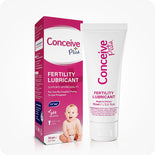
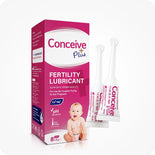
Conceive Plus offers a range of fertility supplements specifically formulated for couples trying to conceive — with products designed for both women and men. The formulations are based on clinical evidence, using bioavailable nutrient forms (like methylfolate rather than folic acid, and ubiquinol rather than ubiquinone) to maximise effectiveness.
Available in India, Conceive Plus provides both women's and men's fertility supplement options that cover the key nutrients discussed in this guide — allowing couples to address both sides of the fertility equation conveniently and comprehensively.
Designed for couples trying to conceive, Conceive Plus fertility supplements are available in India with formulations for both women and men.
Shop Conceive Plus in India →
How to Choose Quality Fertility Supplements
Not all fertility supplements are created equal. When evaluating any supplement for TTC use, look for:
Bioavailable nutrient forms: Methylfolate (not folic acid), ubiquinol CoQ10 (not ubiquinone), vitamin D3 (not D2), and citrate/glycinate mineral forms for better absorption.
Appropriate dosing: The doses in the supplement should match evidence-based ranges. Many budget supplements underdose key nutrients to stay profitable — check amounts against the recommendations in this guide.
Third-party testing: Look for supplements tested by independent laboratories for purity and label accuracy. Reputable brands will provide Certificates of Analysis on request.
No unnecessary fillers: Avoid supplements with excessive artificial colours, flavours, or unnecessary additives. The simpler the better for daily supplements used over months.
Brand reputation and transparency: Choose brands that cite clinical evidence for their formulations and are transparent about their manufacturing practices. Conceive Plus provides this level of clinical credibility, developed in collaboration with fertility specialists.
When to Start and How Long to Continue
The optimal timing for fertility supplement use:
Before TTC: Begin at least 3 months before trying to conceive. This covers one full egg maturation cycle (for women) and one full spermatogenesis cycle (for men), ensuring supplements have time to work before conception is attempted.
During TTC: Continue throughout your trying-to-conceive period. There's no reason to stop and restart — consistent supplementation maintains optimal nutritional status.
After positive pregnancy test: Many fertility supplements are appropriate to continue into pregnancy, particularly folate and omega-3. Consult your doctor about transitioning from a fertility supplement to a pregnancy/prenatal supplement, and about continuing individual supplements like CoQ10 during pregnancy.
During IVF/IUI preparation: Fertility supplements are commonly recommended before assisted reproduction cycles. Always inform your fertility specialist about all supplements you're taking; most will advise you on what to continue and what to pause during stimulation and transfer cycles.
Frequently Asked Questions About Fertility Supplements
Q: Are fertility supplements safe?
A: Quality fertility supplements from reputable brands are generally very safe when used as directed. The most common concerns relate to excessive doses of fat-soluble vitamins (A, D, E, K) and iron. Following evidence-based dosing guidelines and choosing reputable brands minimises risk.
Q: Can fertility supplements help with unexplained infertility?
A: Yes — fertility supplements are particularly relevant for unexplained infertility because they address subclinical nutritional deficiencies and oxidative stress that may not show up on standard fertility tests but can meaningfully impair conception.
Q: Should I stop taking fertility supplements during my period?
A: No — continue throughout your cycle. There's no benefit to stopping during menstruation, and doing so creates gaps in nutritional support.
Q: Do fertility supplements interact with medications?
A: Most fertility supplements are safe to combine with each other and with most medications. Key exceptions include: high-dose vitamin E (can interact with anticoagulants), folate (can mask B12 deficiency), and omega-3 (mild antiplatelet effect at high doses). Always inform your doctor about all supplements you take.
Q: Are Ayurvedic or herbal supplements a good addition to fertility protocols?
A: Some traditional Indian herbs like ashwagandha have limited evidence supporting stress reduction and potential hormonal benefits. However, herbal supplement quality and standardisation varies widely, and some botanicals can interact with fertility medications or hormones. Discuss with your doctor before combining herbal and conventional fertility supplements.
Q: Is it better to take individual supplements or a comprehensive fertility supplement?
A: Both approaches work. A comprehensive fertility supplement like Conceive Plus provides convenience, balanced dosing, and synergistic formulation. Individual supplements allow precise control over doses of each nutrient. Many couples start with a comprehensive supplement and add individual nutrients (like CoQ10 or omega-3) where they need higher doses.
Q: Can fertility supplements replace IVF?
A: No — fertility supplements support natural conception and can improve outcomes in IVF cycles, but they cannot replace assisted reproduction when structural, hormonal, or other significant factors are involved. They're a complementary, evidence-based addition to any fertility strategy.
Q: How do I know if fertility supplements are working?
A: For men, a follow-up semen analysis 3 months after starting supplements provides objective data. For women, markers like cycle regularity, ovulation confirmation (OPKs, BBT), and ultimately conception outcomes reflect progress. Functional markers like energy levels and cycle symptoms may also improve, though these are secondary.
Q: Are Conceive Plus supplements available in India?
A: Yes. Conceive Plus fertility supplements are available in India through the official website conceiveplus.in and selected retail outlets.
Conceive Plus fertility supplements are formulated with evidence-based nutrients for both women and men — available in India and trusted by couples worldwide.
Shop Conceive Plus India →
This article is for informational purposes only. Always consult with a qualified healthcare professional before beginning any new supplement regimen, particularly if you have existing health conditions or are under the care of a fertility specialist.