
PCOS and Trying to Conceive Naturally: A Complete Guide for Indian Women
PCOS and Trying to Conceive Naturally: A Complete Guide for Indian Women
Polycystic ovary syndrome (PCOS) is the most common hormonal disorder affecting women of reproductive age in India, with studies suggesting prevalence rates of 9–36% depending on the diagnostic criteria used. For the millions of Indian women with PCOS who want to conceive, understanding how to manage this condition naturally — through diet, supplements, lifestyle, and targeted fertility support — is both empowering and essential. This comprehensive guide brings together the latest evidence on natural PCOS management for conception, with specific consideration of the Indian context. Conceive Plus supports women with PCOS trying to conceive naturally through every step of the journey.
Understanding PCOS: Why It Affects Fertility
PCOS is characterised by three main features (the Rotterdam criteria require two of the three for diagnosis): irregular or absent periods (oligo/anovulation), elevated androgens (either measured in blood or clinically evident as excess hair growth, acne, or scalp hair loss), and multiple small follicles visible on ultrasound.
The core driver of PCOS in most affected women is insulin resistance. When cells do not respond normally to insulin, the pancreas produces more of it. Elevated insulin then stimulates the ovaries to produce excess androgens (testosterone, DHEA-S), which disrupts follicle maturation. Instead of one dominant follicle developing and releasing an egg at ovulation, many small follicles begin developing but none matures fully. The result is an anovulatory cycle — a cycle without ovulation — which is the primary reason PCOS affects fertility and trying to conceive naturally.
Additional PCOS mechanisms that can affect conception include:
- Elevated LH levels, which can impair egg quality even when ovulation does occur
- Thickened endometrium from prolonged oestrogen exposure without cyclical progesterone
- Higher miscarriage rates, potentially due to elevated LH and insulin
- Inflammation, which is chronically elevated in PCOS and may impair implantation
✨ Conceive Plus Fertility Support for PCOS — Available in India
Specially formulated supplements to support ovulation, hormonal balance, and egg quality for women with PCOS. Shop Now →
Natural Ways to Restore Ovulation in PCOS
Weight Management (For Those with Overweight)
In women with PCOS and overweight or obesity, modest weight loss of 5–10% of body weight is associated with significant improvements in menstrual regularity, ovulation rates, and spontaneous conception. The mechanism is primarily through improved insulin sensitivity. However, it is important to emphasise: not all women with PCOS are overweight. Up to 20–30% of Indian women with PCOS are at a healthy weight (lean PCOS). For these women, weight loss is not the goal — rather, the focus should be on the dietary patterns and supplements below.
Low-Glycaemic-Index Diet for Indian Women with PCOS
The glycaemic index (GI) of food measures how quickly it raises blood glucose. High-GI foods spike insulin rapidly, worsening insulin resistance in PCOS. A low-GI diet has been shown to significantly improve menstrual cycle regularity and ovulation frequency in women with PCOS over 12 weeks.
The Indian dietary context presents both challenges and opportunities. Traditional Indian cuisine includes many high-GI staples (white rice, maida, polished white bread) but also excellent low-GI options:
- Low-GI grains to emphasise: Millet (ragi, bajra, jowar), whole wheat, barley, oats, brown rice
- Legumes: Dals, rajma, chana, moong — all excellent low-GI protein and fibre sources that support blood sugar stability
- Vegetables: All vegetables, particularly leafy greens (palak, methi, sarson)
- Nuts and seeds: Almonds, walnuts, flaxseeds, pumpkin seeds (rich in zinc and omega-3)
- High-GI foods to reduce: White rice (substitute with millet), maida (refined wheat flour in naan, paratha), sweets and mithai, sugary drinks
Exercise for PCOS
Both aerobic exercise and resistance training improve insulin sensitivity in PCOS. Research shows that even 150 minutes of moderate-intensity activity per week (walking, cycling, swimming) is associated with improved ovulation rates and hormonal balance. Yoga deserves special mention — a 2012 randomised trial published in the Journal of Alternative and Complementary Medicine found that 3 months of yoga practice significantly improved menstrual regularity, reduced testosterone levels, and improved insulin resistance in women with PCOS compared to conventional physical exercise.
Supplements for PCOS Fertility: The Evidence
Myo-Inositol
Myo-inositol is the most evidence-backed natural supplement for PCOS trying to conceive naturally. It is a naturally occurring compound involved in insulin signalling and FSH receptor function. In women with PCOS, inositol is depleted in follicular fluid and urinary excretion is increased — supplementation corrects this deficiency. Clinical evidence: Multiple randomised controlled trials show myo-inositol (2,000–4,000mg/day) reduces testosterone, lowers LH, restores ovulation, and improves egg quality in women with PCOS. A combined myo-inositol + D-chiro-inositol formula at a 40:1 ratio is considered most physiologically relevant.
Vitamin D
India has paradoxically high rates of vitamin D deficiency despite abundant sunshine — primarily due to sun-avoidance behaviour, indoor lifestyles, skin coverage, and dietary patterns. Studies in Indian women consistently show vitamin D deficiency correlates with higher androgen levels, more severe menstrual irregularity, and worse insulin resistance in PCOS. Supplementing vitamin D (1,000–2,000 IU/day) is strongly recommended for Indian women with PCOS.
Magnesium
Magnesium plays a key role in insulin receptor signalling. Low magnesium is significantly more common in women with PCOS and insulin resistance. Supplementation with magnesium glycinate or citrate (300–400mg/day) improves insulin sensitivity and may help reduce the anxiety and sleep disruption that commonly accompany PCOS in Indian women under family and social pressure.
N-Acetyl Cysteine (NAC)
NAC is an antioxidant precursor to glutathione — the body's master antioxidant. Several trials in PCOS have shown NAC improves insulin sensitivity, reduces testosterone, and may improve ovulation rates, comparable to metformin in some studies. It also reduces inflammation. Recommended dose: 600mg, three times daily.
Omega-3 Fatty Acids
Omega-3s reduce inflammation, lower triglycerides (elevated in PCOS), and have been shown to reduce testosterone levels in women with PCOS. For vegetarians and vegans (common in India), algae-derived omega-3 supplements provide the same EPA/DHA without fish sources.
Tracking Ovulation with PCOS
Ovulation tracking is more complex with PCOS because cycles are irregular, baseline LH levels are often elevated (causing standard OPKs to show false positives), and some cycles are anovulatory even if LH surges are detected.
Recommended approach for Indian women with PCOS trying to conceive naturally:
- Start OPK testing early (day 7–8 of cycle) and test twice daily
- Use digital OPKs with both LH and oestrogen detection for more accurate identification
- Combine with BBT to confirm ovulation (temperature rise after positive OPK)
- Monitor cervical mucus — the appearance of egg-white cervical mucus is a reliable fertile window indicator
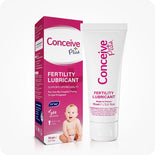
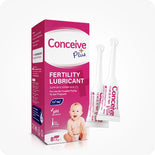
- Use a fertility lubricant like Conceive Plus during the fertile window to support the sperm-friendly environment
Stress and PCOS: A Bidirectional Relationship
In India, the social pressure surrounding fertility — from family expectations, marital dynamics, and cultural norms — can be intense. For women with PCOS, this stress is both a symptom and a cause of hormonal disruption. Cortisol (the stress hormone) further elevates androgens and worsens insulin resistance, creating a feedback loop that makes PCOS harder to manage.
Breaking this cycle requires both addressing the physiological drivers of PCOS and implementing effective stress management. Approaches with evidence in PCOS include yoga, mindfulness meditation, adequate sleep (7–9 hours), and social support. Online PCOS communities have been shown to reduce psychological distress and improve self-management in Indian women.
Medical Treatment Options When Natural Approaches Are Not Enough
While this guide focuses on natural approaches, it is important to know when to seek medical help. If cycles remain absent or very irregular after 3–6 months of lifestyle and supplement intervention, see a gynaecologist. If you have been trying to conceive for 12 months with PCOS (6 months if over 35), seek fertility specialist referral.
First-line medical treatments for PCOS-related anovulation available in India include metformin (improves insulin sensitivity and restores ovulation), letrozole (current preferred first-line ovulation induction agent for PCOS), and clomiphene citrate (widely used and affordable in India). Natural approaches and medical treatment are complementary — many women use inositol and vitamin D alongside prescribed fertility medication with better results than medication alone.
Frequently Asked Questions: PCOS and Natural Conception in India
Can I get pregnant naturally with PCOS?
Yes. Many women with PCOS conceive naturally, particularly with lifestyle optimisation and appropriate supplementation. PCOS is not infertility — it is a fertility challenge that can often be overcome with the right approach and time.
How long does it take to restore ovulation naturally with PCOS?
With consistent lifestyle changes and supplementation, most women see improvements in cycle regularity within 3–6 months. Some women restore regular ovulation more quickly; others with more severe insulin resistance may take longer.
Is myo-inositol safe to take alongside metformin?
Generally yes — inositol and metformin work through different but complementary pathways. However, inform your doctor before combining them, as both lower blood glucose and combined use may require dose adjustment.
Does intermittent fasting help PCOS?
Some studies suggest intermittent fasting improves insulin resistance and reduces androgen levels in PCOS. However, overly restrictive fasting can disrupt the HPA axis and further impair ovulation. If trying intermittent fasting, the 16:8 protocol is considered safer than longer fasting periods for women trying to conceive.
Are there Ayurvedic remedies that help with PCOS fertility?
Several Ayurvedic herbs have preliminary evidence for PCOS management: Shatavari (Asparagus racemosus) for hormonal balance, Ashoka bark for cycle regulation, and Triphala for insulin sensitivity. These should be used under guidance from an Ayurvedic practitioner, and disclose all supplements to your gynaecologist to avoid interactions.
Can PCOS cause miscarriage?
Women with PCOS have a higher risk of first-trimester miscarriage compared to the general population, possibly due to elevated LH and insulin levels. Managing these through inositol supplementation, low-GI diet, and appropriate medical care may help reduce this risk.
Should I test my partner's sperm if I have PCOS?
Yes. Male factor infertility coexists with PCOS in some couples. Testing both partners simultaneously is more efficient and prevents delays in identifying and addressing all contributing factors.
How does Conceive Plus help women with PCOS in India?
Conceive Plus fertility supplements provide key nutrients for PCOS management and conception support including inositol, vitamin D, magnesium, and omega-3. Additionally, Conceive Plus lubricant is valuable for PCOS women who experience vaginal dryness or who want to optimise their fertile window environment during timed intercourse.
What PCOS tests should I get in India?
Key tests for PCOS evaluation in India (widely available): transvaginal ultrasound, day 2–3 hormone panel (FSH, LH, oestradiol, testosterone, DHEA-S, prolactin, TSH), fasting insulin and glucose for insulin resistance assessment, and AMH (anti-Müllerian hormone) for ovarian reserve assessment.
Can I use Conceive Plus supplements if I am not yet trying to conceive but have PCOS?
Yes. Starting fertility-supportive supplements including inositol, vitamin D, and omega-3 as part of a PCOS management protocol 3–6 months before you plan to start trying to conceive is an excellent strategy for optimising hormonal balance and cycle regularity ahead of time.
PCOS Does Not Mean You Cannot Conceive
Conceive Plus supports Indian women with PCOS on their fertility journey — with science-backed supplements formulated for the nutritional needs of women with PCOS trying to conceive naturally.
Shop Conceive Plus India →