
Sperm Health: The Complete Guide to Improving Sperm Quality Naturally
Sperm Health: The Complete Guide to Improving Sperm Quality Naturally
Male fertility is discussed far less openly than female fertility, yet sperm health is a contributing factor in nearly half of all cases of couple infertility. Understanding what affects sperm health — and what you can do to improve it — is one of the most powerful steps any man trying to start a family can take. This comprehensive guide covers the science of sperm quality, the lifestyle and nutritional factors that most influence it, and evidence-based strategies for meaningful improvement.
Conceive Plus supports the full spectrum of the fertility journey, including dedicated male fertility support. Here is everything you need to know about optimising sperm health naturally.
What Is Sperm Health? Understanding the Key Parameters
Sperm health is assessed through a semen analysis, which evaluates multiple parameters:
Sperm concentration (count): The number of sperm per millilitre of semen. Normal reference value is ≥16 million/mL (WHO 2021 criteria). Below this is termed oligozoospermia (low count); absence of sperm is azoospermia.
Sperm motility: The percentage of sperm that are moving. WHO 2021 criteria: ≥42% total motility, with ≥30% showing progressive motility (moving forward). Poor motility is termed asthenozoospermia.
Sperm morphology: The percentage of sperm with a normal shape (oval head, intact midpiece, single uncoiled tail). Normal reference: ≥4% normal forms (Kruger strict criteria). Poor morphology is teratozoospermia.
Sperm DNA fragmentation: The percentage of sperm with DNA strand breaks. Not part of a standard analysis but increasingly offered. High fragmentation (>25–30%) is associated with reduced fertilisation rates, poor embryo development, and increased miscarriage risk.
Semen volume and pH: Normal volume is ≥1.4mL. Low volume may indicate hormonal issues, ejaculatory dysfunction, or blockage. pH should be 7.2–8.0 (alkaline, to protect sperm from the acidic vaginal environment).
When multiple parameters are abnormal, the condition is termed oligoasthenoteratozoospermia (OAT) — the most common pattern of male subfertility.
The Biology of Spermatogenesis: Why 90 Days Matters
Ready to Support Your Fertility Journey?
Discover Conceive Plus — evidence-based fertility support trusted by couples worldwide.
Shop Conceive PlusSperm are produced in the testicular tubules from primordial germ cells through a process called spermatogenesis, which takes approximately 72–74 days. They then mature and acquire motility during passage through the epididymis, taking a further 12–21 days. Total spermatogenesis-to-ejaculation cycle: approximately 90 days.
This 90-day timeline has a crucial practical implication: the sperm in your semen today reflect your nutritional status, lifestyle, and environmental exposures from three months ago. Change your diet and supplement regimen now, and in three months, your semen analysis will reflect those improvements. This is actionable and empowering biology.
Oxidative Stress: The Primary Enemy of Sperm Health
Oxidative stress — an imbalance between reactive oxygen species (ROS) and antioxidant defences — is the dominant mechanism by which lifestyle, diet, environmental exposures, and age impair sperm health. It is estimated to affect 30–80% of infertile men.
Sperm are unusually vulnerable to oxidative damage for two reasons: their plasma membranes are extraordinarily rich in polyunsaturated fatty acids (particularly DHA), which are highly susceptible to lipid peroxidation; and their cytoplasm contains very limited antioxidant enzymes, because the compaction of sperm DNA leaves little room for the cellular machinery that would normally provide antioxidant defence.
When oxidative stress overcomes seminal plasma antioxidants, the consequences cascade: DNA strand breaks (fragmentation) in sperm chromatin, impaired motility (ATP production declines as mitochondria are damaged), abnormal morphology, and reduced sperm-egg interaction at fertilisation.
The primary drivers of oxidative stress in male reproduction include: smoking, obesity, alcohol, environmental toxins (pesticides, phthalates, bisphenol A), occupational chemical exposure, advanced age, genital tract infections, varicocele, and poor diet.
Evidence-Based Nutrients for Sperm Health
Zinc: The Male Fertility Mineral
Zinc is the single most important mineral for sperm health. The testes contain among the highest zinc concentrations of any tissue in the body, and zinc is essential for testosterone synthesis, all stages of spermatogenesis, sperm motility, and the integrity of the outer sperm membrane. Seminal plasma zinc is a critical antioxidant defence — it inhibits ROS generation and stabilises sperm DNA. Zinc deficiency is associated with reduced testosterone, impaired spermatogenesis, and low sperm count.
Multiple randomised trials have demonstrated that zinc supplementation (alone or combined with other nutrients) improves sperm count, motility, and morphology in subfertile men. A combined zinc and folic acid supplementation study found a 74% increase in normal sperm count. Therapeutic doses in clinical trials: 25–66mg/day.
Selenium: Structural and Antioxidant Sperm Support
Selenium is unique in its dual role: as an antioxidant cofactor (forming the active centre of glutathione peroxidase enzymes) and as a structural component of sperm itself (phospholipid hydroperoxide glutathione peroxidase is built into the sperm midpiece). Selenium deficiency causes characteristic sperm tail structural abnormalities and severely impairs motility.
India's soils have variable selenium content, with many regions producing selenium-deficient crops. Men in these regions may have suboptimal selenium status without obvious symptoms. Supplementation at 50–100µg/day consistently improves sperm motility in deficient men.
Antioxidant Vitamins C and E
Vitamins C and E form a powerful synergistic antioxidant pair. Vitamin C is found in seminal plasma at concentrations tenfold higher than blood plasma — suggesting its critical role in protecting sperm from the oxidative challenges of the male genital tract. It scavenges free radicals in the aqueous environment surrounding sperm. Vitamin E is incorporated directly into sperm plasma membranes, where it prevents lipid peroxidation of the polyunsaturated fatty acids critical for membrane function.
A 2013 UK randomised trial of antioxidant supplementation (including C and E) found a fourfold increase in live birth rates in couples attending fertility clinics where male partners supplemented. Combined supplementation at 500–1,000mg vitamin C and 200–400IU vitamin E is the most studied protocol.
Folate: Protecting Sperm DNA
Folate is essential for DNA synthesis, methylation, and repair — the processes that maintain sperm chromatin integrity. Men with low dietary folate have higher rates of sperm DNA fragmentation and chromosomal aneuploidy (abnormal chromosome number). Supplementation at 400–800µg/day reduces these abnormalities in deficient men. Folate and zinc together produce synergistic benefits — the combination significantly outperforms either alone in improving sperm parameters.
CoQ10: Energising Sperm Motility
Sperm motility is fundamentally an energy challenge. A sperm cell must generate sufficient ATP to power its flagellar beat — sustained over the time and distance required to reach an egg. CoQ10 is indispensable for mitochondrial ATP production and is also a major antioxidant. CoQ10 concentrations in seminal plasma correlate positively with sperm count and motility.
Multiple randomised trials show that CoQ10 supplementation at 200–400mg/day significantly improves sperm motility, and some studies also report improvements in count and morphology. The effect is most pronounced in men with idiopathic OAT. CoQ10 may take 3–6 months to show full benefit, consistent with the spermatogenesis timeline.
L-Carnitine: The Epididymal Sperm Fuel
L-carnitine is the dominant organic compound in epididymal fluid — the fluid in which sperm acquire their motility as they travel from the testes to the vas deferens. Carnitine facilitates the transport of fatty acids into mitochondria for ATP production and is essential for the energetic capacity of sperm flagellar movement. Men with poor motility typically have lower epididymal and seminal carnitine concentrations.
Randomised trials of L-carnitine (2g/day) and acetyl-L-carnitine (1g/day) supplementation consistently show significant improvements in total and progressive motility in men with asthenozoospermia. A 2019 meta-analysis confirmed that carnitine supplementation significantly improved sperm motility and pregnancy rates.
Lycopene: The Tomato Antioxidant for Sperm
Lycopene is a carotenoid antioxidant found predominantly in tomatoes, watermelon, and red-pigmented fruits and vegetables. It is concentrated in the testes, where it provides targeted antioxidant protection. A randomised trial found that lycopene supplementation (2mg/day) for three months significantly improved sperm morphology in men with idiopathic infertility. Notably, this is a low-cost, dietary-accessible intervention: eating cooked tomatoes (lycopene is more bioavailable from cooked/processed tomato products) regularly provides meaningful lycopene intake.
Key Lifestyle Factors for Sperm Health
Stop Smoking
Smoking is the single most impactful modifiable lifestyle factor impairing sperm health. Cigarette smoke contains over 4,000 toxic compounds, many of which are directly gonadotoxic (damaging to reproductive cells). Smokers have significantly lower sperm count, motility, and morphology, and significantly higher rates of sperm DNA fragmentation compared to non-smokers. The good news: spermatogenesis fully replaces the sperm pool every 90 days — stopping smoking now means meaningfully better sperm in 3 months.
Reduce Alcohol
Heavy alcohol consumption (more than 14 units/week) suppresses testosterone through direct gonadotoxic effects on Leydig cells (the testosterone-producing cells in the testes) and by increasing conversion of testosterone to oestrogen in the liver. Studies show dose-dependent effects of alcohol on semen parameters — even moderate consumption (5–14 units/week) is associated with measurably lower testosterone and reduced sperm quality in some studies. Reducing to minimal consumption or abstaining completely during the conception period is the evidence-aligned approach.
Achieve a Healthy Weight
Obesity impairs male fertility through multiple mechanisms: elevated scrotal temperature (excess adipose tissue elevates testicular temperature above the ideal range for spermatogenesis), reduced testosterone (adipose tissue aromatises testosterone to oestrogen), and systemic inflammation and oxidative stress. Men with BMI over 30 have significantly lower testosterone levels and poorer semen parameters than healthy-weight men. Even 10% weight loss in overweight men produces clinically meaningful improvements in testosterone, sperm count, and motility.
Manage Testicular Temperature
Spermatogenesis requires a temperature 2–4°C lower than core body temperature — this is why testes are external. Chronic heat exposure elevates testicular temperature and impairs sperm production and quality. Common heat sources: laptop computers on the lap (raises scrotal temperature by 2–3°C within minutes), frequent hot baths or saunas, hot car seats, tight underwear, and occupations requiring prolonged sitting. Practical changes: use a lap desk for laptop use, switch to loose cotton underwear, limit sauna use during the conception period.
Limit Chemical Exposures
Endocrine-disrupting chemicals (EDCs) — including pesticides, phthalates, bisphenol A (BPA), and heavy metals — impair testosterone production and sperm development. Practical steps: choose organic produce where possible; avoid microwave heating of food in plastic containers; use glass or stainless steel food storage; choose BPA-free products where labelled; be aware of occupational chemical exposures and use appropriate protective equipment.
Exercise Moderately
Moderate physical activity (150 minutes/week of moderate-intensity exercise) is associated with higher testosterone levels and better semen parameters. Excessive endurance exercise (particularly competitive cycling, which may also involve direct perineal pressure) and very high-intensity training without adequate recovery can transiently suppress testosterone and impair sperm quality. Balance and consistency are key.
Conceive Plus for Sperm Health
Conceive Plus Men's Fertility Support is formulated with the core evidence-based nutrients for sperm health: zinc, selenium, folate, CoQ10, vitamins C and E, and supporting micronutrients — in a convenient daily formula designed for men trying to conceive.
Combined with dietary improvements, lifestyle optimisation, and avoidance of toxins, Conceive Plus Men's Fertility Support provides comprehensive nutritional support for the spermatogenesis cycle. Explore the complete Conceive Plus range at conceiveplus.in/collections/fertility-supplements.
When to See a Doctor
Lifestyle and supplementation strategies are most effective for idiopathic (unexplained) or mild-to-moderate subfertility. Medical evaluation is essential for:
- Azoospermia (no sperm in semen)
- Severely low count (<5 million/mL)
- Known genetic conditions (e.g. Klinefelter syndrome, Y-chromosome microdeletion)
- History of testicular injury, infection, or surgery
- Suspected varicocele (varicose veins in the scrotum — a treatable cause of male infertility)
- Hormonal abnormalities (elevated FSH, low testosterone)
- Failure to conceive after 12 months of regular unprotected intercourse
A urologist or andrologist can provide a full evaluation and, where appropriate, offer treatments including varicocele repair, hormonal therapies, or assisted reproduction techniques.
FAQ: Sperm Health
Q: How long does it take to improve sperm quality naturally?
A: Because spermatogenesis takes approximately 90 days, measurable improvements from lifestyle changes and supplementation typically appear at the 3-month mark. Compare semen analyses at least 3 months apart for a meaningful assessment of change.
Q: Can stress affect sperm health?
A: Yes — chronic psychological stress elevates cortisol, which suppresses testosterone production and spermatogenesis. High stress is associated with lower sperm concentration, motility, and morphology in population studies.
Q: Does diet really affect sperm quality?
A: Definitively yes. Multiple large prospective studies have found that Mediterranean-style diets (rich in antioxidants, healthy fats, vegetables, and whole grains) are associated with significantly better semen parameters than Western diets high in processed foods, refined carbohydrates, and trans fats.
Q: What is a normal sperm count?
A: The WHO 2021 reference value for normal sperm concentration is ≥16 million/mL of semen, with total sperm number per ejaculate ≥39 million. Counts below these thresholds are considered below the reference range but are not absolute predictors of infertility — many men with below-average counts father children naturally.
Q: Do mobile phones affect sperm health?
A: Several studies suggest radiofrequency electromagnetic radiation from mobile phones (particularly when carried in trouser pockets close to the testes) may be associated with reduced motility and count. The evidence is not conclusive, but as a low-cost precautionary measure, carrying your phone in a bag rather than a pocket during the conception period is reasonable.
Q: Can I improve sperm morphology naturally?
A: Yes — antioxidant supplementation (especially lycopene, selenium, vitamin E) and dietary improvements have been shown to improve morphology in randomised trials. Morphology is often the most resistant semen parameter to change, but meaningful improvements are documented in men with teratozoospermia who address nutritional and lifestyle factors.
Q: Does Conceive Plus offer a lubricant suitable for couples where the male is being investigated for fertility?
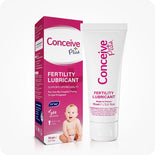
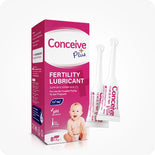
A: Yes — Conceive Plus fertility lubricant is specifically formulated to be sperm-compatible. Unlike most lubricants, it does not impair sperm motility or viability, making it the appropriate choice for couples who need lubrication during their fertile window. Explore it at conceiveplus.in/collections/fertility-lubricants.
Q: How many times per week should couples have sex to optimise sperm quality and conception?
A: Research suggests sperm quality is optimal with 2–3 day abstinence intervals. Daily ejaculation can reduce count in some men; conversely, prolonged abstinence (>7 days) reduces motility. Having sex every 1–2 days during the fertile window balances sperm quality and timing of exposure.
Q: Are there any foods that significantly harm sperm quality?
A: Soy foods in very large amounts (associated with phytoestrogen intake in some studies), processed meats, high-mercury fish, alcohol, and foods rich in trans fats are the dietary factors most consistently associated with poorer semen parameters. A balanced, varied diet with limited processed foods is the practical takeaway.
Q: When should we both see a fertility specialist?
A: Seek evaluation after 12 months of regular unprotected intercourse for couples under 35, or 6 months for couples 35 and older. If the male partner has known risk factors (previous infections, varicocele, chemotherapy, or a previous abnormal semen analysis), earlier evaluation is appropriate.
Ready to Support Your Fertility Journey?
Discover Conceive Plus — evidence-based fertility support trusted by couples worldwide.
Shop Conceive Plus