
The Fertility Diet: Evidence-Based Nutrition Strategies to Boost Your Chances of Conception
The Fertility Diet: Evidence-Based Nutrition Strategies to Boost Your Chances of Conception
Nutrition plays a fundamental role in reproductive health for both women and men. The foods you eat affect hormone balance, egg quality, sperm health, ovulation, and implantation.
This guide synthesises evidence from large-scale studies including the Nurses Health Study.
The Mediterranean Diet: Gold Standard
Women following a Mediterranean diet are 40% more likely to achieve pregnancy during IVF. Rich in fruits, vegetables, whole grains, legumes, nuts, fish, and olive oil, it reduces oxidative stress, supports hormone production, and regulates blood sugar.
Key Nutrients for Female Fertility
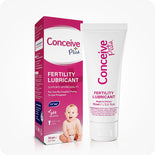
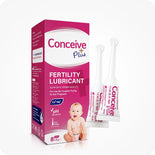
Supporting your body with the right tools makes a real difference. Conceive Plus Fertility Lubricant is clinically tested to create an optimal environment for conception — gentle, effective, and designed with your fertility journey in mind.
Folate: 400 to 800 mcg daily. Found in leafy greens, citrus, beans. Prevents neural tube defects.
Omega-3: Supports hormone production and egg quality. Fatty fish, flaxseeds, walnuts.
Vitamin D: Deficiency linked to ovulatory dysfunction. Sunlight best, supplement in winter.
Iron: Deficiency linked to ovulatory infertility. Spinach, lentils, fortified cereals.
Key Nutrients for Male Fertility
Zinc: Critical for sperm production and testosterone. Oysters, pumpkin seeds, beef.
Selenium: Protects sperm from oxidative damage. Brazil nuts, fish, eggs.
Coenzyme Q10: Powers sperm motility. 200 to 300 mg daily shown to improve motility.
Foods to Limit or Avoid
Trans fats: Found in processed foods. Even 2% increase linked to 70% higher risk of ovulatory infertility.
High glycaemic foods: White bread, sugary drinks disrupt hormonal balance. Choose whole grains.
Excessive alcohol: Reduces fertility in both men and women. Limit to moderate consumption.
Caffeine: High intake (over 300 mg daily) may increase time to conception.
Meal Timing and Patterns
Eating breakfast regularly and avoiding large late-night meals supports metabolic health and insulin sensitivity. A balanced breakfast helps regulate reproductive hormones. Intermittent fasting may not be ideal for fertility — consistent nutrient availability supports egg and sperm development. Studies show that women who skip breakfast have slightly higher rates of menstrual irregularities.
Supplements vs. Whole Foods
Whole foods provide synergistic benefits that supplements cannot fully replicate. The fibre, polyphenols, and phytonutrients in whole plant foods work together to reduce inflammation and support hormone balance. However, targeted supplementation for specific nutrients like folic acid, vitamin D, and CoQ10 provides additional benefit, especially when dietary intake is insufficient. A balanced approach combining a nutrient-dense diet with targeted supplementation offers the best outcomes.
Your fertility journey deserves products you can trust. Conceive Plus Fertility Lubricant is the clinically tested, fertility-friendly choice that supports sperm health and enhances comfort when it matters most.
Frequently Asked Questions
Can diet really improve fertility?
Yes. Nutrition affects hormone balance, egg quality, and sperm health.
How long before dietary changes help?
Egg development takes 90 days. Sperm 74 days. Allow three months.
Should I take a prenatal vitamin?
Yes. Folic acid is essential before conception.
Is organic food necessary?
Not essential. Focus on overall diet quality first.
Can weight loss improve fertility?
Even 5 to 10% loss can restore ovulation.
Does protein type matter?
Plant protein may be beneficial. Replace some animal protein with plant sources.
Is soy bad for fertility?
Moderate soy is safe and may even be beneficial.
Should I avoid all alcohol?
Limiting alcohol improves outcomes. Moderate is safer than heavy.
Can coffee harm fertility?
Limit to 1 to 2 cups daily. Excessive caffeine may increase time to conception.
Do fertility supplements work?
Evidence supports specific nutrients. A comprehensive fertility supplement can help.