
PCOS and Fertility: A Complete Guide to Conceiving with Polycystic Ovary Syndrome
PCOS and Fertility: A Complete Guide to Conceiving with Polycystic Ovary Syndrome
PCOS — polycystic ovary syndrome — is the most common hormonal disorder affecting reproductive-age women, estimated to affect 8–13% of women globally, with rates likely higher due to underdiagnosis. For women with PCOS who want to conceive, the diagnosis can feel like a major obstacle — but the reality is more nuanced and more encouraging than that. PCOS is one of the most treatable causes of fertility challenges, and many women with PCOS conceive naturally with targeted lifestyle interventions and appropriate medical support.
This guide explains what PCOS actually is, how it affects fertility, what works for improving natural conception chances, and when to seek medical support for PCOS and fertility.
What Is PCOS and How Does It Affect Fertility?
PCOS is a hormonal condition characterised by three core features (Rotterdam criteria, 2003): irregular or absent ovulation, elevated androgens (male hormones) either in blood tests or showing as physical symptoms, and polycystic-appearing ovaries on ultrasound. A PCOS and fertility diagnosis requires two of the three criteria.
The way PCOS affects fertility is primarily through disrupted ovulation. In PCOS, multiple small follicles develop but none dominates — creating the characteristic "string of pearls" appearance on ultrasound and resulting in cycles without ovulation (anovulatory cycles), or irregular ovulation that's difficult to predict and time. Without ovulation, PCOS conception cannot occur. The underlying driver in most PCOS and fertility cases is insulin resistance — addressing insulin resistance is central to improving ovulatory function in PCOS.
Lifestyle Changes That Restore Ovulation in PCOS and Improve Fertility
Ready to support your fertility journey?
Conceive Plus offers clinically-backed fertility supplements and lubricants designed for couples trying to conceive. Shop the range →
For women with PCOS, lifestyle modifications — particularly diet and exercise — are first-line treatment for PCOS and fertility, with evidence rivalling medication in some contexts. The mechanism is direct: improving insulin sensitivity restores the hormonal environment in which normal follicular development can occur.
Diet — low glycaemic index eating for PCOS: A low-GI diet reduces post-meal insulin spikes, directly addressing the insulin resistance central to PCOS and fertility challenges. Studies consistently show that low-GI diets improve menstrual regularity, ovulation frequency, and androgen levels in women with PCOS. The Mediterranean diet fits these criteria well and is specifically recommended in 2023 international PCOS and fertility guidelines.
Exercise: Regular physical activity improves insulin sensitivity independently of weight loss — beneficial for PCOS and fertility. Both aerobic exercise and resistance training show benefit for PCOS metabolic markers and ovulatory function. Current evidence supports at least 150 minutes of moderate aerobic activity plus 2 sessions of resistance training per week.
Weight management for PCOS and fertility: For women with overweight PCOS, weight loss of 5–10% of body weight is one of the most effective PCOS and fertility interventions. Studies show this degree of weight loss restores ovulation in over 60% of previously anovulatory women with PCOS. Lean women with PCOS should focus on dietary composition and exercise rather than weight loss for PCOS and fertility benefits.
Supplements for PCOS and Fertility
Myo-Inositol + D-Chiro-Inositol: The most studied supplement for PCOS and fertility, with the most robust evidence base. Multiple randomised trials show myo-inositol supplementation (2–4g daily) significantly improves ovulatory frequency, reduces LH/FSH ratio, lowers androgens, and improves insulin sensitivity in women with PCOS. The 40:1 ratio of myo-inositol to D-chiro-inositol is the most-studied formulation and shows the strongest evidence for PCOS and fertility outcomes. A 2020 Cochrane-level review found inositol comparable to metformin for ovulation induction in PCOS.
Vitamin D: Vitamin D deficiency is particularly common in women with PCOS — estimated prevalence of deficiency or insufficiency in PCOS populations is 70–85%. Low vitamin D worsens insulin resistance and is associated with more severe PCOS and fertility challenges. Supplementation (typically 2,000–4,000 IU daily) improves insulin sensitivity, menstrual regularity, and may improve PCOS fertility outcomes in deficient women.
N-Acetyl Cysteine (NAC): At doses of 1,200–1,800mg daily, NAC improves ovulation rates and insulin sensitivity in women with PCOS and fertility challenges — in some studies comparable to metformin. It also reduces oxidative stress, which is elevated in PCOS.
Magnesium: Involved in insulin signalling, with supplementation (200–400mg daily) potentially improving insulin sensitivity and reducing inflammation relevant to PCOS and fertility.
Methylfolate: Essential for all women trying to conceive — particularly important in PCOS and fertility contexts where folate metabolism may be impaired alongside other insulin-related metabolic disruptions. Active methylfolate form recommended.
Conceive Plus fertility supplements are formulated with PCOS and fertility needs in mind. Visit conceiveplus.in/collections/fertility-supplements to see the full range for women with PCOS.
Ovulation Tracking in PCOS: Special Considerations for Fertility
Standard ovulation tracking methods require modification for PCOS and fertility planning. Women with PCOS typically have chronically elevated LH, making LH ovulation tests unreliable for fertility timing — a positive OPK in PCOS doesn't reliably confirm imminent ovulation. BBT charting remains useful for PCOS fertility tracking, as it can confirm whether ovulation is occurring at all across several cycles. Quantitative monitors that measure progesterone (confirming actual ovulation) are more reliable than LH-only tests for women with PCOS pursuing fertility.
Medical Treatment for PCOS and Fertility
For women with PCOS whose ovulation doesn't restore with lifestyle intervention alone, medical ovulation induction options for PCOS and fertility include: Letrozole (now first-line, based on the NEJM PPCOS II trial showing higher live birth rates), Clomiphene citrate (second-line), Metformin (insulin sensitiser, often combined with letrozole for PCOS fertility), injectable gonadotropins (when oral agents fail, under monitoring for OHSS risk in PCOS), and laparoscopic ovarian drilling (surgical option for medication-resistant PCOS and fertility cases).
Fertility-Friendly Lubricant for PCOS
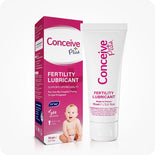
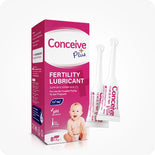
Women with PCOS may experience vaginal dryness, particularly if androgens suppress natural lubrication. Using a fertility-compatible lubricant like Conceive Plus protects sperm quality while addressing comfort — unlike standard lubricants, which can reduce sperm motility by up to 100% within 30 minutes. Conceive Plus is pH-balanced to match fertile cervical mucus and contains calcium and magnesium ions that actively support sperm function. Visit conceiveplus.in/collections/fertility-lubricants to learn more about using Conceive Plus as part of your PCOS fertility approach.
Frequently Asked Questions About PCOS and Fertility
Q: Can I get pregnant naturally with PCOS?
A: Yes — many women with PCOS conceive naturally, particularly with targeted lifestyle changes that restore ovulatory function. The key is optimising insulin sensitivity (via diet, exercise, inositol, and vitamin D) and tracking ovulation accurately when ovulation does occur.
Q: How long does it take to restore ovulation with lifestyle changes in PCOS?
A: Women with PCOS who make significant dietary and lifestyle improvements often see menstrual cycle improvement within 3–6 months. Weight loss of 5–10% in women with overweight PCOS restores ovulation in a substantial proportion within this timeframe. Inositol supplementation studies show improvements in PCOS ovulatory frequency within 3 months.
Q: Does PCOS affect egg quality?
A: The primary fertility impact of PCOS is ovulatory dysfunction, not egg quality per se. When women with PCOS do ovulate, egg quality is generally comparable to women without PCOS at the same age. However, the metabolic and inflammatory environment of PCOS can affect egg quality — which is why insulin sensitisation and antioxidant support are important for PCOS fertility even when ovulation occurs.
Q: Is inositol as effective as metformin for PCOS fertility?
A: Multiple comparative studies suggest myo-inositol is comparable to metformin for improving ovulation and insulin sensitivity in PCOS and fertility, with a better side-effect profile. Inositol is available without prescription; metformin requires a prescription and medical monitoring for PCOS fertility treatment.
Q: Should I get a referral to a fertility specialist if I have PCOS and want to conceive?
A: If you've been actively trying for 12 months without success (6 months if over 35), yes. For many women, seeking a referral to a reproductive endocrinologist early after PCOS diagnosis is worthwhile to understand your phenotype and discuss PCOS and fertility treatment options.
Q: Can PCOS-related hormonal imbalance be improved through diet alone?
A: For many women with PCOS, diet is one of the most powerful fertility interventions available. A low-GI, Mediterranean-style diet has been shown to reduce LH/FSH ratio, lower androgens, improve insulin sensitivity, and restore ovulation in some women — without any medication for PCOS and fertility improvement.
Q: Do all women with PCOS and fertility challenges have irregular periods?
A: Not all. Phenotype C PCOS (elevated androgens + polycystic ovaries, with regular ovulatory cycles) is one of the four recognised PCOS and fertility phenotypes. Even in phenotypes associated with irregular cycles, the degree of menstrual irregularity varies widely.
Q: Is IVF necessary for women with PCOS and fertility challenges?
A: IVF is not the default for PCOS-related fertility challenges. Most women with PCOS respond to first-line or second-line ovulation induction (letrozole, clomiphene, or injectables with IUI) without needing IVF. IVF for PCOS and fertility is typically considered after ovulation induction with IUI fails, or when there are additional factors.
Start Your Conceive Plus Journey Today
Trusted by thousands of couples worldwide. Science-backed fertility support for both partners.
Shop Conceive Plus Now →