
PCOS and Fertility in India: Complete Guide for Women Trying to Conceive
PCOS and Fertility in India: What Every Woman Needs to Know
Polycystic ovary syndrome (PCOS) is the most common hormonal disorder in women of reproductive age, affecting an estimated 1 in 5 Indian women. Despite its prevalence, PCOS remains poorly understood and frequently mismanaged — leaving millions of Indian women uncertain about their fertility prospects and what they can do to improve them.
This comprehensive guide explains the biology of PCOS, how it affects fertility, and the evidence-based approaches helping women with PCOS conceive — including nutritional strategies, targeted supplements, and medical options available in India.
What Is PCOS and Why Is It So Common in India?
PCOS is a hormonal disorder characterised by elevated androgens (male hormones), irregular or absent ovulation, and polycystic-appearing ovaries on ultrasound. Diagnosis requires at least two of three Rotterdam criteria: irregular cycles, elevated androgens (clinically or biochemically), and polycystic ovaries on ultrasound.
India has particularly high PCOS prevalence, with epidemiological studies reporting 9–22% in urban populations. Contributing factors include genetic predisposition to insulin resistance in South Asian populations, high glycaemic load diets (refined rice, maida-based foods, sugary drinks), paradoxical vitamin D deficiency despite abundant sunshine (urban women spending most time indoors), and cumulative stress from career pressure, family expectations, and social norms around marriage and fertility.
How PCOS Affects Fertility
Ready to support your conception journey? Shop Conceive Plus India →
The primary fertility challenge in PCOS is anovulation — failure to ovulate regularly. Without ovulation, there is no egg to fertilise. Many women with PCOS have cycles that appear regular but are actually anovulatory. Others have very irregular cycles (35–90+ days) with ovulation occurring unpredictably.
Additional challenges include elevated LH relative to FSH (disrupting follicle selection), insulin resistance and hyperinsulinaemia (stimulating excess ovarian androgen production), potentially reduced endometrial receptivity, reduced cervical mucus quality (compromising sperm transport), and higher first-trimester miscarriage risk related to egg quality and insulin resistance.
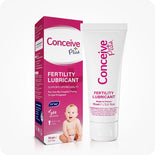
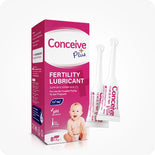
For women with PCOS whose cervical mucus is compromised by hormonal imbalance, a fertility-specific lubricant like Conceive Plus can support sperm transport by providing a sperm-friendly environment with calibrated pH and calcium-magnesium ions, compensating for reduced natural CM quality.
Diagnosing PCOS in India
A full evaluation should include: detailed menstrual history; hormonal panel (LH, FSH, testosterone, DHEAS, prolactin, thyroid); metabolic panel (fasting glucose, fasting insulin, HOMA-IR, lipid profile, HbA1c); pelvic ultrasound on day 2–5 of cycle; and vitamin D and B12 levels (commonly deficient in Indian women).
Many Indian women are diagnosed through an incidental ultrasound without full hormonal workup. Requesting comprehensive blood tests to identify your specific PCOS phenotype is worthwhile — as treatment strategies differ between insulin-dominant, androgen-dominant, and inflammatory subtypes.
Evidence-Based Lifestyle Management for PCOS
Lifestyle modification is the first-line treatment and should be pursued regardless of whether medical treatment is also needed. Even a 5–10% reduction in body weight in overweight women can restore ovulation in 50–60% of cases.
Low-GI, anti-inflammatory diet: Replace refined carbohydrates with whole grains (jowar, bajra, oats, brown rice), increase vegetables and legumes, prioritise lean proteins, and reduce sugar. This directly addresses insulin resistance — the root driver in most PCOS cases.
Regular exercise: Both aerobic exercise (30 minutes daily) and resistance training improve insulin sensitivity and have shown measurable improvements in ovulation frequency in PCOS women — independent of weight loss.
Stress management: Yoga, pranayama, and mindfulness practices — deeply rooted in Indian culture — have evidence for reducing cortisol and improving HPA axis regulation in PCOS. Regular practice is more effective than occasional sessions.
Supplements with Evidence for PCOS and Fertility
Inositol (myo-inositol): The most well-studied supplement for PCOS fertility. Myo-inositol (2,000mg twice daily) restores spontaneous ovulation in a significant proportion of anovulatory PCOS women, improves egg quality, and reduces androgens in clinical trials. Safe, well-tolerated, and widely available in India. Many Indian fertility specialists now recommend it as first-line before pharmaceutical ovulation induction.
Vitamin D: Given near-universal deficiency in urban Indian women, supplementation (2,000–4,000 IU daily, guided by blood levels) is a near-universal recommendation. Vitamin D improves insulin sensitivity, supports follicular development, and has anti-inflammatory effects.
N-Acetyl Cysteine (NAC): 600mg twice daily. Has shown comparable efficacy to metformin for improving ovulation rates and insulin sensitivity in PCOS trials, with a better side-effect profile.
Omega-3 fatty acids: 2g DHA/EPA daily. Anti-inflammatory and insulin-sensitising — particularly useful in PCOS women with elevated triglycerides.
Zinc: 25–30mg daily. Reduces androgens and supports follicular development in hyperandrogenic PCOS.
Magnesium: 200–400mg daily. Involved in insulin signalling; deficiency is common in PCOS. Supports glucose metabolism.
Folate/methylfolate: 400–800mcg daily — essential preconception nutrition for all women TTC.
For a convenient, comprehensive approach, Conceive Plus fertility supplements for women include many of these key nutrients formulated for women facing fertility challenges including PCOS. Available from conceiveplus.in.
Medical Treatments for PCOS Infertility in India
Letrozole (Femara): Now the first-line ovulation induction agent for PCOS, favoured over clomiphene by ESHRE/ASRM international guidelines. Widely available and affordable in India. Works by temporarily reducing oestrogen, stimulating FSH release and follicle growth.
Metformin: An insulin sensitiser widely used in India. Can improve ovulation rates in insulin-resistant PCOS and is often combined with letrozole for better outcomes.
Clomiphene (Clomid): Still widely used in India. Can cause anti-oestrogenic effects on cervical mucus, worsening sperm transport — using Conceive Plus fertility lubricant during Clomid cycles is particularly recommended to compensate for this effect.
IVF: For severe cases or when simpler treatments have failed. IVF success rates in PCOS women are generally good. The main challenge is managing OHSS risk — through antagonist protocols, low-and-slow stimulation, and freeze-all strategies.
Frequently Asked Questions
Q: Can I get pregnant naturally with PCOS?
A: Yes — many women with PCOS conceive naturally, particularly with lifestyle optimisation and supplementation. PCOS is a leading treatable cause of infertility. The prognosis with appropriate management is generally positive.
Q: How do I know if I'm ovulating with PCOS?
A: OPKs can detect LH surges but are less reliable in PCOS. A Day 21 progesterone blood test (or Day 7 post-LH surge) is the most reliable ovulation confirmation method.
Q: Is inositol available in India?
A: Yes. Myo-inositol supplements are available at pharmacies and online across India. Look for products providing 2,000–4,000mg myo-inositol with a 40:1 ratio of myo-inositol to D-chiro-inositol.
Q: Will PCOS affect my pregnancy once I conceive?
A: Women with PCOS have somewhat higher risks of gestational diabetes, preterm birth, and preeclampsia — manageable with appropriate prenatal care. Many women with PCOS have healthy pregnancies.
Q: Can Ayurvedic treatments help PCOS?
A: Some Ayurvedic herbs (Shatavari, Ashoka, Lodhra) have traditional use for hormonal balance with preliminary evidence. Research is limited. Disclose all herbal preparations to your doctor if combining with conventional treatment.
Q: What is the difference between myo-inositol and D-chiro-inositol for PCOS?
A: Myo-inositol is the most abundant form and most studied for PCOS fertility. D-chiro-inositol works in insulin signalling. The 40:1 combination ratio is considered optimal for PCOS based on current research.
Q: Does stress cause PCOS or worsen it?
A: Stress doesn't cause PCOS but can significantly worsen it by elevating cortisol, which disrupts the hormonal axis controlling ovulation. Stress management is a meaningful part of PCOS management.
Q: How long should I try lifestyle changes before seeking medical treatment?
A: If you've been TTC for 6–12 months without success (6 months if over 35), consult a gynaecologist or reproductive endocrinologist regardless of how long you've been making lifestyle changes.
Q: Where can I buy Conceive Plus in India?
A: Directly from conceiveplus.in with delivery across India.
Q: Is PCOS hereditary?
A: PCOS has a strong genetic component. Women with first-degree relatives with PCOS have a significantly higher risk. This makes early diagnosis and lifestyle management particularly important for at-risk women.
Trusted by fertility clinics and couples worldwide
Shop Conceive Plus India →