
Fertility Diet India: The Best Foods and Nutrients to Boost Conception Naturally
Fertility Diet India: The Best Foods and Nutrients to Boost Conception Naturally
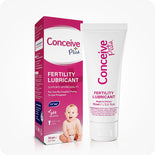
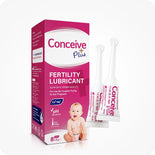
For couples across India who are trying to conceive, diet is one of the most powerful and accessible tools available. The food you eat directly influences hormonal balance, egg quality, sperm health, and the uterine environment necessary for implantation. A well-planned fertility diet — incorporating the rich nutritional diversity of Indian cuisine while addressing key nutrient gaps common in the Indian population — can meaningfully improve your chances of conception. This comprehensive guide covers the science of the fertility diet in the Indian context, from traditional foods with proven benefits to the supplements that fill critical gaps, including Conceive Plus fertility supplements trusted by thousands of Indian couples.
The Science Behind the Fertility Diet: Why Food Affects Conception
The connection between diet and fertility is supported by a robust and growing body of research. The landmark Harvard Nurses' Health Study — an ongoing prospective cohort study that has followed over 18,000 women — identified specific dietary patterns associated with dramatically different rates of ovulatory infertility. Women following a "fertility diet" pattern characterised by higher intake of monounsaturated fats, plant protein, full-fat dairy, low-glycaemic carbohydrates, iron, and multivitamins had an 80% lower risk of ovulatory infertility compared to women following a typical Western dietary pattern.
For male fertility, dietary quality is equally critical. A 2020 meta-analysis in Asian Journal of Andrology — which included several Indian population studies — found that men following a "prudent diet" rich in fruits, vegetables, whole grains, legumes, and fish had significantly better sperm concentration, motility, and morphology than men following a Western dietary pattern high in processed foods, red meat, and refined carbohydrates.
The mechanisms connecting diet to fertility are multiple and interconnected. Nutrients directly influence the hormonal signalling cascades that regulate ovulation and spermatogenesis. Antioxidants from plant foods protect eggs and sperm from oxidative damage during the sensitive maturation period. Healthy fats support the production of reproductive hormones and cell membrane integrity of eggs. Glycaemic load affects insulin sensitivity, which has profound downstream effects on both female and male reproductive hormones.
Key Fertility-Boosting Foods in the Indian Diet
Indian cuisine, with its extraordinary diversity of vegetables, legumes, spices, and traditional preparations, offers a wealth of fertility-supportive foods. Many of the world's most potent fertility nutrients are found in ingredients that have been staples of Indian cooking for millennia.
Legumes (Dal, Rajma, Chana): Lentils, kidney beans, chickpeas, and other legumes are nutritional powerhouses for fertility. They are rich in plant protein, which the Harvard fertility research associates with lower ovulatory infertility risk compared to animal protein. They also provide iron (particularly important for women), zinc, folate, and fibre that supports hormonal regulation by modulating intestinal oestrogen metabolism. The humble dal — present in some form at most Indian meals — deserves recognition as a fertility superfood.
Sesame Seeds (Til): Sesame seeds are one of India's most underappreciated fertility foods. They are rich in zinc — the most important mineral for both male and female reproductive function. A single tablespoon of sesame seeds provides approximately 0.7 mg of zinc. Sesame also contains lignans that may help balance oestrogen levels, and its calcium content supports overall reproductive health. Traditional preparations like til ladoo or chikki provide a delicious fertility-supporting snack.
Moringa (Drumstick/Sahjan): Moringa oleifera is particularly relevant in the Indian fertility context. Multiple studies, including research from Indian institutions, have documented moringa's rich micronutrient profile — it contains more iron than spinach, more vitamin C than oranges, and significant amounts of vitamin A, calcium, and zinc per serving. Animal studies have consistently shown improvements in sperm quality with moringa supplementation, and early human studies are promising. Traditional Indian recipes incorporating drumstick pods or moringa leaves provide meaningful amounts of these fertility nutrients.
Ghee and Full-Fat Dairy: Traditional Indian Ayurvedic medicine has long advocated for ghee and full-fat dairy in fertility protocols, and modern science is catching up. The Harvard Nurses' Health Study found that one daily serving of full-fat dairy was associated with a 27% lower risk of ovulatory infertility compared to low-fat dairy consumption — a finding attributed to the hormonal compounds naturally present in dairy fat that may support ovarian function.
Turmeric (Haldi): Curcumin, the active compound in turmeric, has demonstrated anti-inflammatory and antioxidant properties relevant to fertility. Chronic low-grade inflammation — driven by conditions like PCOS, endometriosis, or simply poor diet — impairs reproductive function. Curcumin has been shown in preclinical studies to reduce inflammation in ovarian tissue, improve insulin sensitivity, and protect sperm from oxidative damage. Daily consumption of turmeric in cooking, combined with black pepper (which enhances curcumin absorption 20-fold), represents a simple and culturally integrated fertility-supporting practice.
Fenugreek Seeds (Methi): Fenugreek is a cornerstone of Indian cooking with documented effects on testosterone levels, insulin sensitivity, and reproductive hormone balance. Several Indian clinical trials have found that fenugreek supplementation increases free testosterone in men and supports hormonal balance in women with PCOS. Its seeds, commonly used in tempering (tadka) or in methi paratha, provide compounds that directly support reproductive endocrinology.
Support your fertility journey with Conceive Plus. Our fertility supplements and fertility-friendly lubricant are trusted by couples across India — formulated with the nutrients that complement a healthy fertility diet and fill critical gaps. Shop Conceive Plus India now →
Nutritional Gaps in the Indian Population That Affect Fertility
Despite the nutritional richness of traditional Indian cuisine, several important fertility nutrients are commonly deficient in the Indian population — due to dietary patterns, soil quality, cooking methods, or cultural food restrictions.
Vitamin D: Paradoxically, despite India's year-round sunshine, vitamin D deficiency is extremely prevalent — affecting an estimated 50–90% of the Indian population across all regions and demographics. The paradox is explained by factors including darker skin pigmentation (which reduces vitamin D synthesis from sunlight), sun avoidance behaviour, increased indoor work, and high-phytate diets that reduce calcium absorption. Vitamin D deficiency directly impairs reproductive function in both men and women, with research from AIIMS New Delhi and other Indian institutions documenting its adverse effects on ovulation, sperm quality, and pregnancy outcomes.
Iron: Iron deficiency anaemia affects approximately 50% of Indian women of reproductive age — one of the highest rates in the world, according to the National Family Health Survey (NFHS-5). Iron deficiency impairs ovulation, reduces egg quality, and is associated with adverse pregnancy outcomes. The issue is compounded in India by the prevalence of vegetarian and vegan diets, which provide only non-haem iron (less bioavailable than haem iron from meat), and by high-phytate and high-oxalate diets that further reduce iron absorption.
Vitamin B12: India has one of the world's highest rates of vitamin B12 deficiency, particularly among the large vegetarian and vegan population — as B12 is found almost exclusively in animal products. B12 deficiency directly impairs DNA synthesis, cell division, and the production of the S-adenosylmethionine (SAM) needed for proper gene expression in developing embryos. High homocysteine from B12 deficiency is associated with miscarriage, poor egg quality, and reduced sperm function. Indian couples following plant-based diets should prioritise B12 supplementation as a non-negotiable fertility intervention.
Zinc: While Indian diets include zinc-containing legumes and seeds, high phytate content in the diet significantly reduces zinc bioavailability. Phytates — found in whole grains, legumes, and nuts — bind zinc in the digestive tract, reducing absorption by 30–50% compared to animal-source zinc. Zinc deficiency impairs spermatogenesis in men and follicle development in women, making supplementation important for vegetarian and vegan couples.
Omega-3 Fatty Acids (DHA/EPA): Indian diets — particularly in landlocked regions — are typically low in marine-derived omega-3s (DHA and EPA). While alpha-linolenic acid (ALA) from flaxseeds, mustard oil, and walnuts is present in traditional Indian diets, conversion from ALA to the active DHA and EPA forms is highly inefficient (approximately 5–10%). DHA is critical for egg membrane integrity, sperm tail motility, and early fetal brain development. Supplementation with algae-derived DHA (for vegetarians/vegans) or fish oil-based omega-3 is an important complement to the Indian fertility diet.
Ayurvedic Foods and Fertility: Traditional Wisdom and Modern Evidence
India's Ayurvedic tradition offers a rich lexicon of foods and herbs traditionally used to support reproductive health (known as "vajikarna" in Ayurveda). While clinical evidence for many Ayurvedic preparations is still emerging, several have been validated in modern research.
Ashwagandha (Withania somnifera): Multiple Indian clinical trials have demonstrated that ashwagandha root extract significantly improves male fertility parameters. A 2019 randomised controlled trial published in Evidence-Based Complementary and Alternative Medicine found that ashwagandha supplementation for 90 days significantly improved sperm count (167% increase), sperm motility (57% increase), and testosterone levels in men with oligospermia, compared to placebo. It also demonstrates adaptogenic properties that reduce cortisol — which directly suppresses reproductive hormone production in both men and women.
Shatavari (Asparagus racemosus): Shatavari is the primary female reproductive tonic in Ayurveda, traditionally used to support hormonal balance, uterine health, and milk production. Modern research has begun to validate its phytoestrogenic and adaptogenic properties. Studies have found that shatavari supplementation improves LH levels, supports regular ovulation, and has anti-inflammatory effects on the endometrium — consistent with its traditional use in promoting fertility.
Gokshura (Tribulus terrestris): This Ayurvedic herb has been studied for both male and female fertility. In men, clinical trials from Eastern European and Indian institutions have found improvements in testosterone and sperm motility with tribulus supplementation. In women, it may support ovulation induction through effects on FSH and LH signalling.
Building Your Fertility Diet: Practical Indian Meal Planning
Translating fertility nutrition research into practical daily meals requires adapting principles to the realities of Indian cooking and food culture. The following framework supports fertility through an Indian dietary lens:
Breakfast: Traditional Indian breakfasts offer excellent fertility-diet options. Idli or dosa with sambar provides fermented grains (improving B vitamin bioavailability) with lentil protein and vegetable micronutrients. Poha with vegetables, nuts, and seeds adds iron and zinc. Oats porridge with nuts, seeds, and berries combines low-glycaemic carbohydrates with antioxidants and healthy fats.
Main meals: Dal (any variety) with vegetables and roti or brown rice forms an excellent fertility meal base. Rajma or chana curry provides plant protein and iron. Including at least one serving of green leafy vegetables (palak, methi, sarson) daily addresses iron, folate, and magnesium needs. Adding a small amount of ghee to dal or vegetables improves absorption of fat-soluble vitamins.
Snacks: Handfuls of mixed nuts (walnuts for omega-3s, Brazil nuts for selenium, almonds for vitamin E) provide a nutrient-dense fertility snack. Pumpkin seeds (kaddu ke beej) are one of the richest plant sources of zinc. Fresh fruit — particularly pomegranate, papaya, and berries — provides antioxidants that protect eggs and sperm.
What to limit: Refined flour (maida) products, sugar-sweetened beverages, processed snack foods, and excessive rice consumption raise glycaemic load and promote insulin resistance — directly impairing ovulatory fertility. Trans fats from commercially prepared fried foods and baked goods are particularly damaging and should be minimised.
FAQ: Fertility Diet India
What is the best Indian diet for fertility?
A fertility-supportive Indian diet emphasises dal and legumes (for plant protein, iron, and folate), green leafy vegetables, full-fat dairy or ghee, nuts and seeds (especially sesame, pumpkin seeds, and walnuts), low-glycaemic whole grains like millets, and anti-inflammatory spices like turmeric. Minimise refined carbohydrates, processed foods, and trans fats.
Can vegetarians in India get all fertility nutrients from food alone?
It is challenging. While vegetarian Indian diets provide many fertility nutrients, key gaps often remain — particularly vitamin B12 (absent from plant foods), vitamin D (poor dietary sources), DHA/EPA omega-3s (inefficient conversion from ALA), and bioavailable zinc and iron (reduced by phytates). Supplementation is strongly recommended to fill these gaps.
Does ayurvedic diet help with fertility in India?
Several Ayurvedic dietary principles align well with modern fertility nutrition — emphasising whole foods, healthy fats (ghee), adaptogenic herbs (ashwagandha, shatavari), and avoiding processed foods. Clinical evidence supports ashwagandha for male fertility and shatavari for female hormonal balance. Combining Ayurvedic wisdom with modern nutritional science provides a comprehensive fertility diet approach.
Is vitamin D deficiency a major fertility issue in India?
Yes, significantly. Despite abundant sunshine, vitamin D deficiency affects an estimated 50–90% of Indians across all demographics due to skin pigmentation, sun-avoidance behaviour, indoor work, and high-phytate diets. Vitamin D deficiency directly impairs ovulation, sperm quality, and implantation. Supplementation with 2,000–4,000 IU of vitamin D3 daily is commonly recommended for Indian couples TTC.
What foods improve sperm quality in the Indian diet?
Foods with evidence for improving sperm quality in the Indian context include pumpkin seeds and sesame (zinc), walnuts (omega-3), moringa (micronutrient density), fenugreek (testosterone support), ashwagandha (motility and count), and antioxidant-rich fruits and vegetables. Reducing processed foods, alcohol, and excessive refined carbohydrates also significantly improves sperm parameters.
Does body weight affect fertility in India?
Yes. Both underweight (common in some Indian demographics) and overweight/obesity impair fertility through different mechanisms. Underweight women may have insufficient hormonal signalling for regular ovulation. Overweight and obese women have elevated insulin resistance and oestrogen levels that disrupt ovulatory function. Men with obesity have reduced testosterone and elevated oestrogen that impairs spermatogenesis. A healthy BMI supports optimal reproductive hormone balance for both partners.
Are Conceive Plus products available in India?
Yes. Conceive Plus fertility supplements and fertility-friendly lubricant are available for purchase in India through the Conceive Plus India website, with delivery across major cities and states.
How does a fertility lubricant complement a fertility diet?
A fertility diet optimises the nutritional environment for egg and sperm quality and hormonal balance. A fertility-friendly lubricant like Conceive Plus addresses the physical environment of fertilisation — ensuring that intercourse during the fertile window does not harm sperm motility (as standard lubricants do), and providing the optimal pH and ion environment for sperm survival and function. Both work together as part of a comprehensive TTC approach.
Which millets are best for fertility in the Indian diet?
Finger millet (ragi) is particularly noteworthy for fertility — it is one of the richest plant sources of calcium and also provides iron and amino acids. Pearl millet (bajra) provides substantial iron and zinc. Both have lower glycaemic indices than refined wheat or white rice, supporting insulin sensitivity and ovulatory health. India's millet revival movement has made these nutritionally superior grains increasingly accessible across the country.
Complement your fertility diet with targeted supplementation. Conceive Plus fertility supplements fill the nutritional gaps that even the best Indian diet cannot fully address — vitamin B12, vitamin D3, bioavailable zinc, and more. Plus our fertility-friendly lubricant for sperm-safe intercourse during your fertile window. Trusted by Indian couples on the path to parenthood. Shop Conceive Plus India →